If You're Curious About These Questions...
You should listen to this audiobook
- Have you ever wondered which popular health fads are backed by rigorous science and which ones are just clever marketing?
- What if you could finally cut through the nutritional noise and discover what the most thorough scientific studies really say about healthy eating?
- Are you curious about how your daily food choices impact both your long-term health and the future of sustainable farming?
Listen to Food and Nutrition — Free Audiobook
Loading player...
Key Takeaways from Food and Nutrition
- Understand how your daily supermarket choices directly impact both your personal health and the planet's climate.
- Discover how making healthier lifestyle and dietary choices can prevent up to 80 percent of chronic diseases.
- Learn why the supposed efficiency of modern industrial farming hides dangerous costs, including toxic air pollution and rising antibiotic resistance in humans.
- Find out exactly how the nutritional benefits of meat weigh against the health hazards of overconsuming red and processed meats.
- Discover why eating just 50 grams of processed meat daily can increase your risk of colorectal cancer by 18 percent, and why your cooking methods matter.
Learning Tools
Reinforce what you learned from Food and Nutrition
Mind Map
Food and Nutrition
Impact of Food Choices+
Modern Farming (CAFOs)+
Meat Consumption+
Processed Food Spectrum+
Decoding Food Labels+
Debunking Nutrition Myths+
Fats and Gut Health+
Diets and Weight Loss+
Actionable Advice+
Quiz — Test Your Understanding
Question 1 of 10
What dual impact do our everyday food choices have, according to the text?
Question 2 of 10
While Concentrated Animal Feeding Operations (CAFOs) have made meat production more efficient, what is a major negative consequence highlighted in the text?
Question 3 of 10
What did a 2014 review of over 800 studies conclude about the consumption of processed and red meat?
Question 4 of 10
How does the text characterize minimally processed foods, such as flash-frozen fruits and vegetables?
Question 5 of 10
Why does the text warn consumers about the 'natural' label on foods like granola bars?
Question 6 of 10
Which egg label indicates the most humane production method, where birds spend days outdoors eating a natural diet and nights in a barn?
Question 7 of 10
What does a meta-analysis of over 1,500 studies reveal about Genetically Modified Organisms (GMOs)?
Question 8 of 10
What is the primary difference between probiotic and prebiotic foods?
Question 9 of 10
According to the text, what is a fundamental truth about weight-loss diets, regardless of the specific rules of trends like the keto diet?
Question 10 of 10
Why does the author recommend drinking filtered coffee rather than unfiltered coffee?
Food and Nutrition — Full Chapter Overview
- 1Recommendation
- 2Choosing the right foods affects both your health and the planet.
- 3Modern farming is efficient, but it harms the planet.
- 4Meat offers nutrition, but too much red and processed meat can be dangerous.
- 5Processed foods exist on a spectrum, with both healthy and unhealthy options.
- 6Food labels can be confusing or meaningless, but they can still guide better choices.
- 7Misconceptions still surround dietary cholesterol and GMOs.
- 8Not all fats are bad, and good bacteria can support a healthy gut microbiome.
- 9When choosing a weight-loss diet, consider the calories scientifically.
- 10Final summary
Food and Nutrition Summary & Overview
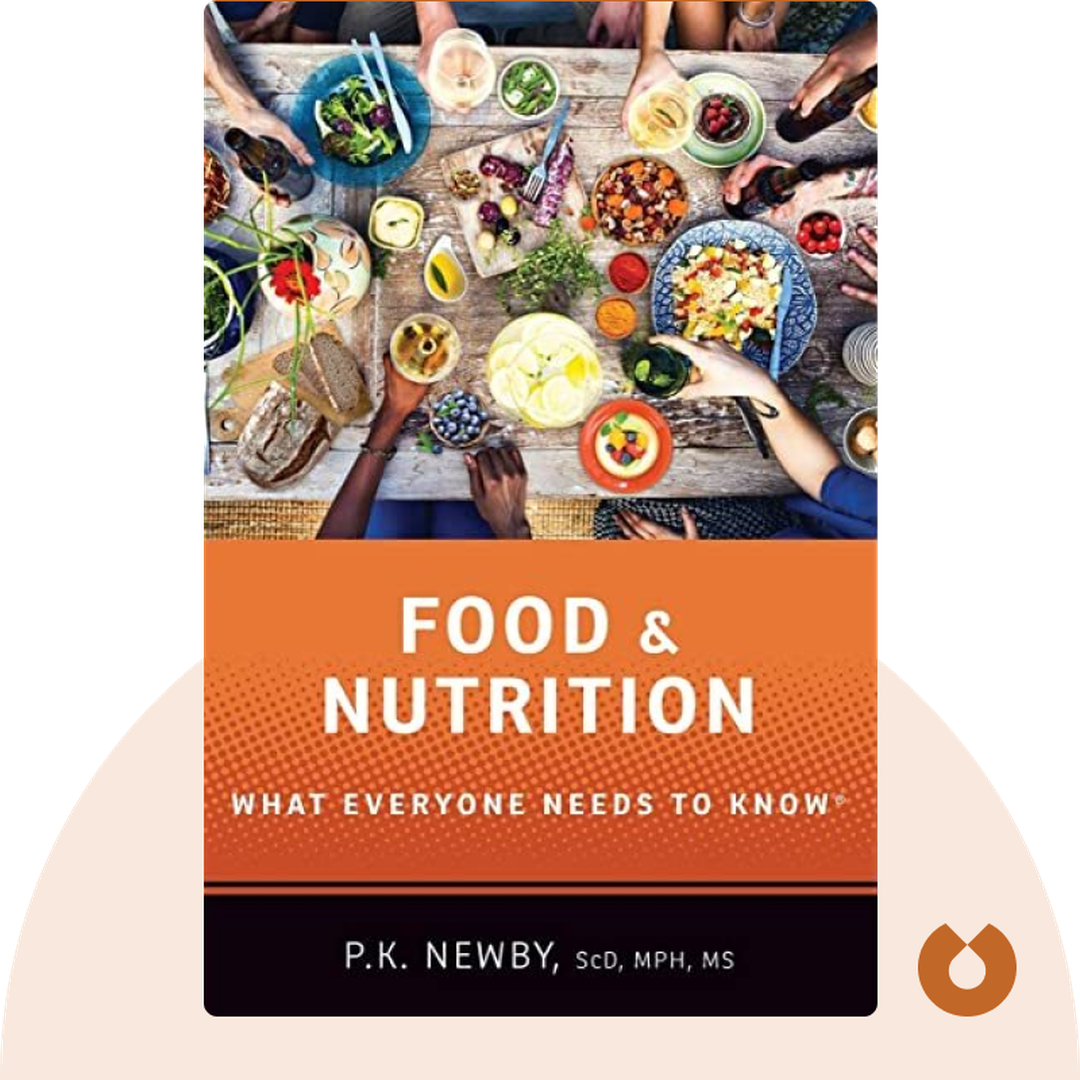
Food and Nutrition (2018) looks at the science behind what we eat. Based on only the best and most thorough studies, it cuts through the noise and fads to reveal what we really know about healthy eating.
Who Should Listen to Food and Nutrition?
- Anyone interested in what actually constitutes a healthy diet
- Foodies who want to make better choices
- People curious about sustainable farming
Books Similar to Food and Nutrition
Readers who enjoyed this also liked these titles.