If You're Curious About These Questions...
You should listen to this audiobook
- What if you could transform your deepest, most paralyzing fears into the very tools that build your most authentic and satisfying life?
- Have you ever wondered why some people are able to turn their greatest struggles into a source of unstoppable motivation and personal growth?
- Are you curious about the specific dynamics of fear that keep you stuck, and the secret to finally breaking free from them?
Listen to Fear Dynamics — Free Audiobook
Loading player...
Key Takeaways from Fear Dynamics
- Discover why childhood survival strategies, like masking pain and emotional detachment, often become detrimental in adulthood and how confronting your past is essential for genuine fulfillment.
- Learn how to practice daily self-acceptance by using your current reality as a 'you are here' map marker, grounding yourself before navigating toward healing and growth.
- Understand the dangers of living life on autopilot to avoid anxiety, and see how actively engaging with your immediate environment can pull you out of negative internal narratives.
- Master the art of active presence by focusing entirely on a speaker's words rather than planning your response, a simple technique that deepens relationships and reduces fear.
- Find out how to unpack deep-seated fears and intentionally replace destructive, trauma-based thought patterns with constructive ones to reclaim your happiness.
Learning Tools
Reinforce what you learned from Fear Dynamics
Mind Map
Fear Dynamics
Context & Author's Journey+
Technique 1: Self-Acceptance+
Technique 2: Embracing the Present+
Technique 3: Authenticity+
Technique 4: Tiny Habits+
Quiz — Test Your Understanding
Question 1 of 6
What was the primary turning point that motivated Stephen Dietrich to finally confront his past trauma?
Question 2 of 6
Why did the coping mechanisms Dietrich developed during his toxic childhood prove detrimental in his adulthood?
Question 3 of 6
According to the text, why is self-acceptance compared to a 'you are here' marker on a mall map?
Question 4 of 6
How does the author suggest combating the habit of living life on 'autopilot'?
Question 5 of 6
What is the underlying cause of the temptation to exaggerate personal achievements or fabricate stories, according to the book?
Question 6 of 6
Why does the author recommend implementing 'tiny habits' rather than making major, sudden life changes?
Fear Dynamics — Full Chapter Overview
- 1Recommendation
- 2We can move forward only when we face our past
- 3Healing starts with self-acceptance
- 4Embracing the present separates truly living from merely existing
- 5Being authentic increases our happiness
- 6Big changes start with small foundations
- 7Final summary
Fear Dynamics Summary & Overview
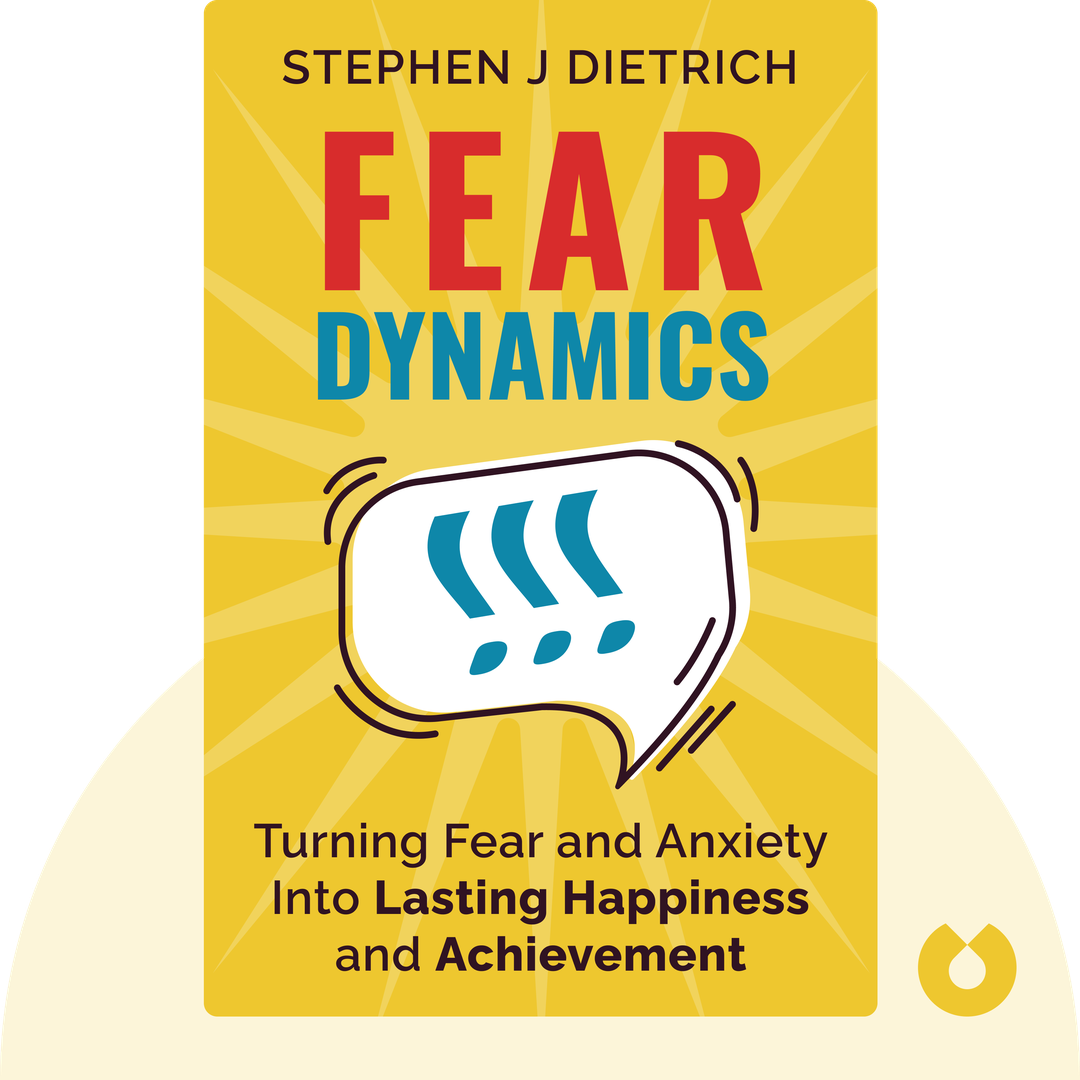
Fear Dynamics (2024) explores the transformative journey of overcoming deep-seated fears and struggles through self-help techniques developed from personal experiences. Delving into the ways we can confront and manage our fears, it supports those seeking a more authentic and satisfying existence.
Who Should Listen to Fear Dynamics?
- Individuals seeking personal growth and self-improvement
- Those overcoming trauma and seeking healing strategies
- Fans of transformative, real-life success stories
Books Similar to Fear Dynamics
Readers who enjoyed this also liked these titles.