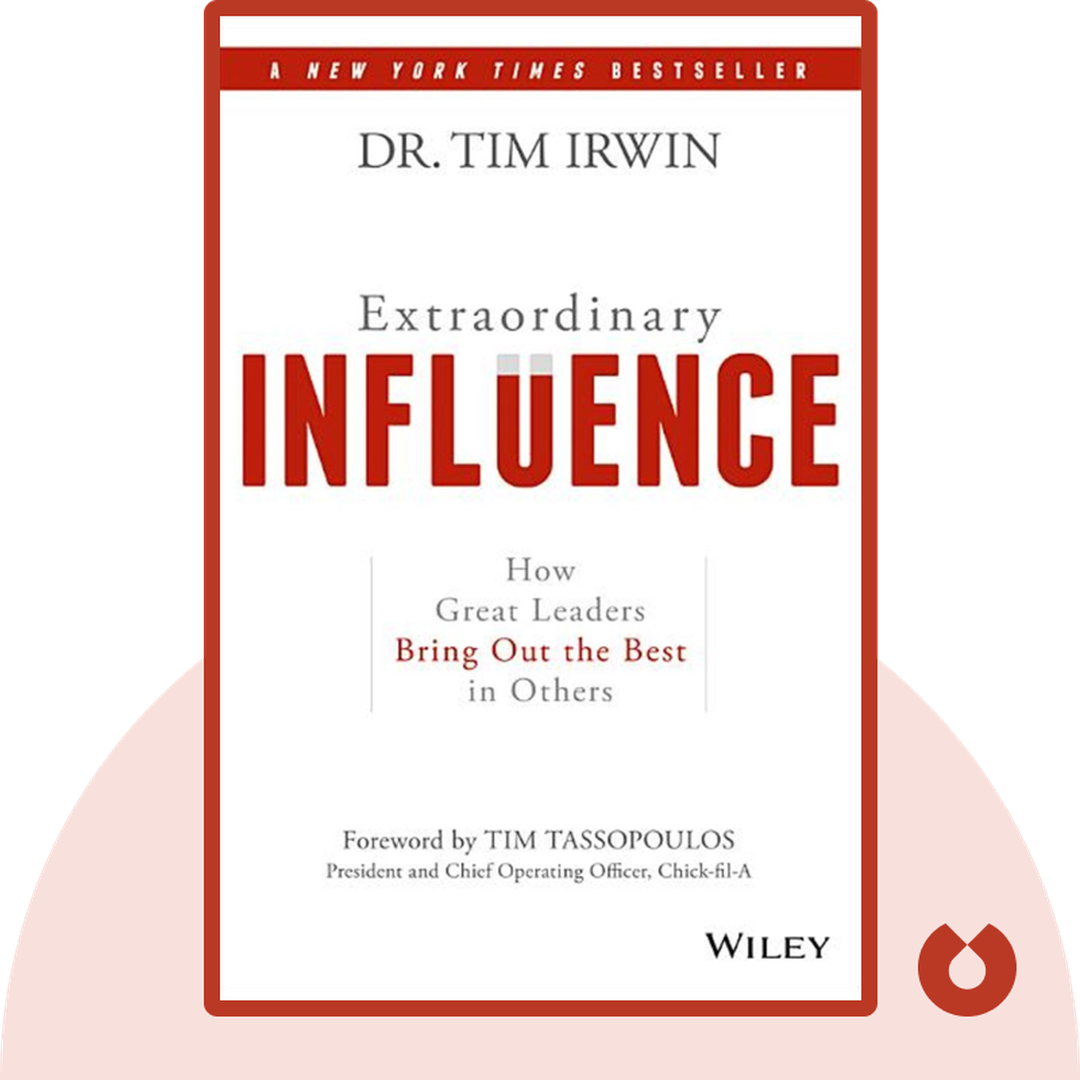
Extraordinary Influence
Start ListeningDownload Try free on iPhoneScan to start in 5 seconds
Categories:
If You're Curious About These Questions...
You should listen to this audiobook
- Did you know that the way you deliver feedback could be physically rewiring your team’s brains for either peak performance or total shutdown?
- Have you ever wondered why some leaders effortlessly inspire their employees to go the extra mile while others struggle to maintain basic motivation?
- What if the secret to extraordinary influence isn't about your level of authority, but a specific neuroscientific approach to how you communicate?
Listen to Extraordinary Influence — Free Audiobook
Loading player...
Key Takeaways from Extraordinary Influence
- Understand why true affirmation goes beyond a simple compliment to actually strengthen and fortify individuals through continuous support and constructive feedback.
- Discover how the human brain physically responds to positive emotional feedback, releasing neurochemicals that reduce stress and sharpen problem-solving skills.
- Master the art of tailoring your praise to the four distinct workplace personality types—doers, advocates, idealists, and challengers—to maximize their individual strengths.
- Learn to effectively validate professional competencies by highlighting the specific skills and good judgment that led to a team member's success, rather than just cheering the final result.
- Find out how to positively reinforce a person's most profoundly held values, like integrity and courage, by using carefully chosen words that speak directly to their core character.
Learning Tools
Reinforce what you learned from Extraordinary Influence
Mind Map
Extraordinary Influence
Science & Meaning of Affirmation+
Tailoring to Personality Types+
Affirming Values & Competencies+
The Danger of Criticism+
Rebuilding Trust in Crises+
Affirmation in Performance Reviews+
Parenting and Teaching+
Actionable Advice+
Quiz — Test Your Understanding
Question 1 of 8
What is the fundamental difference between a simple compliment and true affirmation, according to the book?
Question 2 of 8
If you have a team member who is an 'idealist,' what is the most effective way to affirm their work?
Question 3 of 8
Why is it important to use specific words like 'courage' or 'humility' when affirming an employee?
Question 4 of 8
According to neuroscientific research, what happens in the brain when a person receives harsh criticism?
Question 5 of 8
How did Eric Pillmore successfully begin to turn things around at Tyco International during its corporate crisis?
Question 6 of 8
Why are many top companies abandoning old-school, numbered scale performance reviews in favor of affirmation-based systems?
Question 7 of 8
What does the author suggest is the most effective alternative to yelling at children when they misbehave or underperform?
Question 8 of 8
What actionable advice does the author give to help leaders improve their ability to affirm others?
Extraordinary Influence — Full Chapter Overview
- 1Recommendation
- 2The human brain craves affirmation, but it needs more than a simple pat on the back.
- 3Affirmation is most effective when it highlights personal strengths and professional skills.
- 4Effective affirmation reinforces people’s deepest values, especially with the right words.
- 5Criticism leaves lasting negative effects on the brain, particularly when delivered in public.
- 6Restoring trust in individuals and teams can help companies get through crises.
- 7Many companies are making affirmation central to their performance review systems.
- 8Kids benefit far more from affirmative, constructive feedback than from being yelled at.
- 9Final summary
Extraordinary Influence Summary & Overview
Extraordinary Influence (2018) delves into the latest neuroscientific research to shed light on the secrets behind effective leadership. The key? Communication. Getting that right, clinical psychologist and corporate consultant Tim Irwin argues, doesn’t just keep team members motivated – it also drives them to go the extra mile and perform at their highest level.
Who Should Listen to Extraordinary Influence?
- CEOs and business leaders
- Team leaders looking to up their game
- Coaches and communication experts
Books Similar to Extraordinary Influence
Readers who enjoyed this also liked these titles.