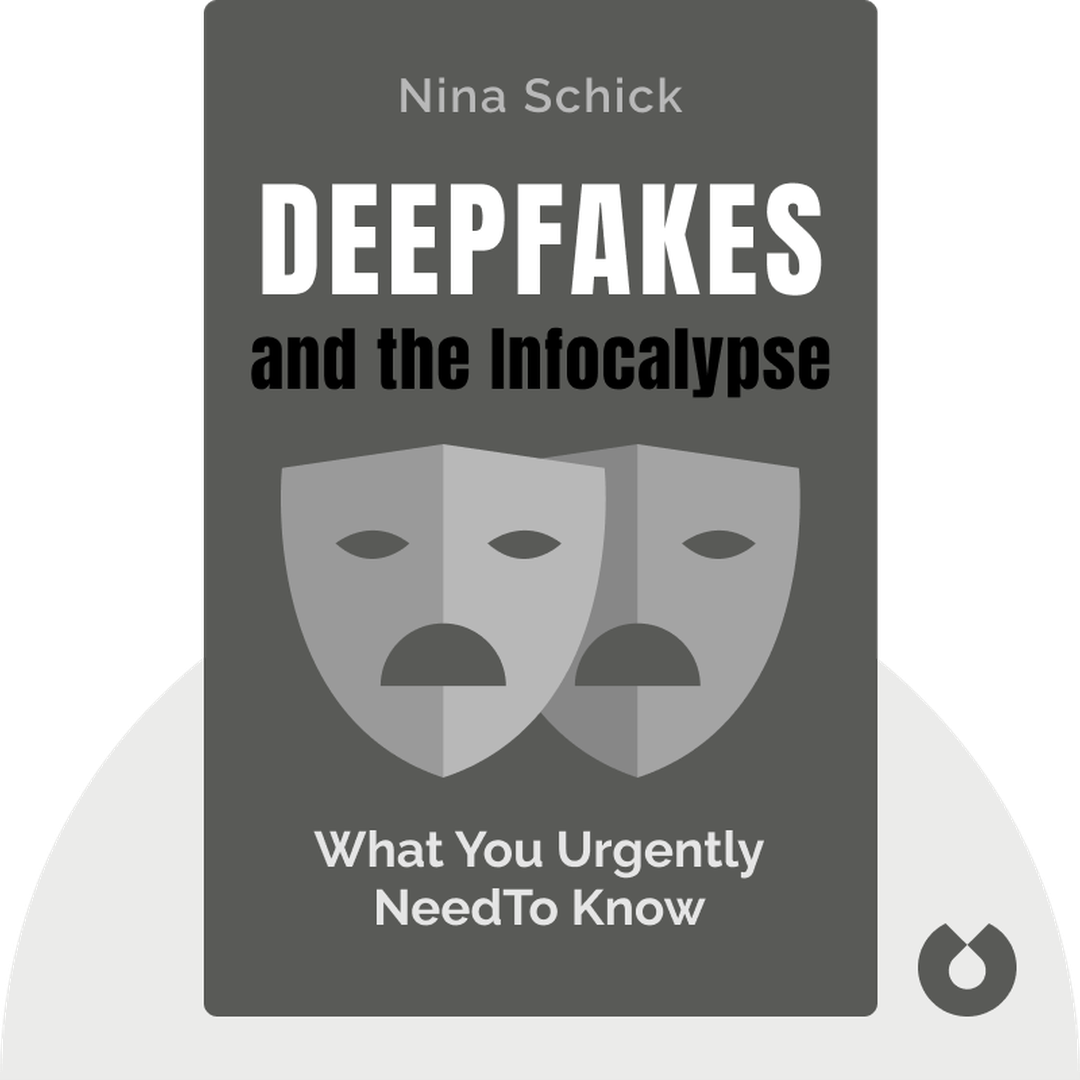
Deepfakes and the Infocalypse
Start ListeningDownload Try free on iPhoneScan to start in 5 seconds
Categories:
If You're Curious About These Questions...
You should listen to this audiobook
- How did deepfake technology evolve from an obscure Reddit forum to a weapon capable of silencing investigative journalists and inciting real-world violence?
- What is the 'liar's dividend,' and how does the mere existence of deepfake technology allow politicians to effortlessly dismiss genuine, factual evidence?
- How did a small Baltic nation successfully fend off massive Russian cyberattacks, and what proactive defense strategies can the rest of the world learn from their victory?
Listen to Deepfakes and the Infocalypse — Free Audiobook
Loading player...
Key Takeaways from Deepfakes and the Infocalypse
- Powered by deep learning artificial intelligence, deepfakes are ushering in the 'Infocalypse,' a dangerous new era where it is increasingly difficult to distinguish real media from manipulated reality.
- The proliferation of manipulated media empowers the 'liar's dividend,' a political tactic where public figures can dismiss genuine, damaging evidence simply by claiming it is fake.
- State actors have mastered information warfare, utilizing coordinated disinformation campaigns to exploit racial tensions, polarize foreign adversaries, and manipulate global narratives.
- In countries with fragile democracies, targeted disinformation and deepfakes have already caused devastating real-world harm, from silencing political critics with fake pornography to inciting deadly ethnic violence.
- Combatting the Infocalypse requires both defensive habits, such as utilizing fact-checking tools, and proactive societal measures like early warning systems and robust cyber-defense networks.
Learning Tools
Reinforce what you learned from Deepfakes and the Infocalypse
Mind Map
Deepfakes and the Infocalypse
The Infocalypse & Deepfakes+
Information Warfare+
Threats to Democracies+
Fraud and Cybercrime+
Fighting Back+
Quiz — Test Your Understanding
Question 1 of 8
What does the author mean by the term 'Infocalypse'?
Question 2 of 8
According to the book, what is the key difference between misinformation and disinformation?
Question 3 of 8
What is the 'liar's dividend' as described in the context of political leaders like Donald Trump?
Question 4 of 8
How did the Infocalypse manifest in the case of investigative journalist Rana Ayyub in India?
Question 5 of 8
How did scammers successfully defraud a British energy company of 250,000 euros in 2019?
Question 6 of 8
What was unique about Russia's disinformation campaign regarding the COVID-19 pandemic?
Question 7 of 8
Which country is highlighted as a successful example of taking a proactive approach against cyberattacks and disinformation?
Question 8 of 8
Where did the first deepfakes originate, demonstrating how AI can swap a person's face into an existing video?
Deepfakes and the Infocalypse — Full Chapter Overview
- 1Recommendation
- 2AI has made photo, video, and audio manipulation easy.
- 3Russia has mastered the art of information warfare.
- 4The Infocalypse threatens Western democracies, especially the US.
- 5The Infocalypse can have deadly consequences in weaker democracies.
- 6More scammers will use deepfakes to defraud businesses and individuals.
- 7State actors have spread disinformation about the COVID-19 pandemic.
- 8Fighting the Infocalypse requires both reactive and proactive strategies.
- 9Final summary
Deepfakes and the Infocalypse Summary & Overview
Deepfakes and the Infocalypse (2020) is an urgent warning about the dangers posed by fake – but extremely realistic – audiovisual material called deepfakes. They are powered by artificial intelligence, and scammers and hackers are already using them to defraud businesses and harass individuals. Governments are joining in, as well; the use of deepfakes for propaganda is growing. We need to actively prepare for a time when deepfakes become commonplace. If we don’t, we’ll barrel headfirst into an information apocalypse.
Who Should Listen to Deepfakes and the Infocalypse?
- Anyone who hasn’t heard of deepfakes
- Citizens concerned about political polarization and the breakdown of trust in society
- Tech-savvy individuals who feel they can’t be fooled by fake content
Books Similar to Deepfakes and the Infocalypse
Readers who enjoyed this also liked these titles.