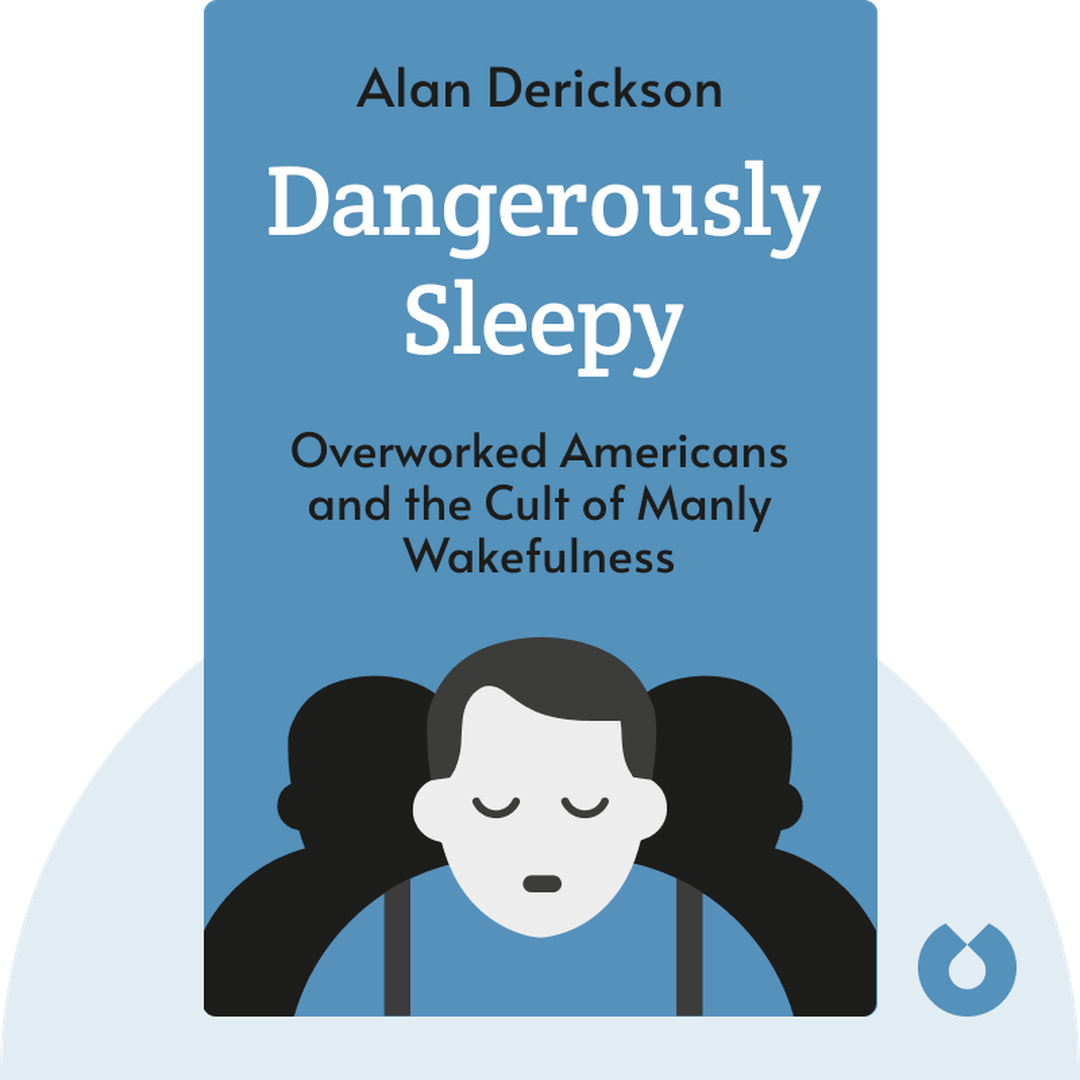
If You're Curious About These Questions...
You should listen to this audiobook
- Did you know that the very innovations that built the modern world also birthed the dangerous idea that sleep is a luxury we can no longer afford?
- Have you ever wondered where the cultural stigma that 'sleep is for the weak' actually came from and how it continues to impact our health today?
- Are you curious about how the Industrial Revolution fundamentally rewired our relationship with rest, turning a biological necessity into a source of modern guilt?
Listen to Dangerously Sleepy — Free Audiobook
Loading player...
Key Takeaways from Dangerously Sleepy
- Understand the historical roots of America's dangerous anti-sleep culture and why modern professionals falsely equate sleep deprivation with hyper-productivity.
- Discover how Benjamin Franklin shifted from economical sleep habits to championing a toxic legacy that views resting as a waste of life.
- Learn how Thomas Edison utilized his invention of the light bulb to promote a grueling culture of sleeplessness, deliberately hiring workers willing to endure extreme night shifts.
- Find out how Charles Lindbergh’s historic 33.5-hour solo transatlantic flight permanently linked extreme sleep deprivation to American ideals of masculinity and rugged virility.
- Uncover how the demanding 1980s global economy and flawed psychological research conspired to falsely promote the health and business benefits of sleeping less.
Learning Tools
Reinforce what you learned from Dangerously Sleepy
Mind Map
Dangerously Sleepy
Historical Roots of Sleeplessness+
Cultural Icons & Masculinity+
1980s Business & Pseudoscience+
The Fight for Labor Regulations+
Key Takeaways+
Quiz — Test Your Understanding
Question 1 of 7
What influenced Benjamin Franklin to adopt a more judgmental, anti-sleep attitude later in his life?
Question 2 of 7
How did Thomas Edison actively foster a culture of sleeplessness within his own business?
Question 3 of 7
During Charles Lindbergh's historic 1927 flight, what did the press and other pilots consider the most crucial factor for his success?
Question 4 of 7
In the 1980s, how did some psychologists and scientists contribute to the American culture of sleeplessness?
Question 5 of 7
According to the book, what common theme connects the sleeplessness of 1980s real-estate moguls like Donald Trump and NFL managers?
Question 6 of 7
Why did the Supreme Court ultimately agree to limit the working hours of female laundry employees in Oregon in 1908?
Question 7 of 7
What was the primary catalyst for establishing regulated working hours for medical professionals in New York?
Dangerously Sleepy — Full Chapter Overview
- 1Recommendation
- 2Benjamin Franklin was among the first Americans to theorize about sleep, but his legacy was harmful.
- 3Thomas Edison was an early and tireless promoter of America’s sleepless culture.
- 4Charles Lindbergh’s sleepless flight made him a symbol of 1920s virility.
- 5Charismatic, successful businessmen advanced the battle against sleep in the 1980s.
- 6Donald Trump and American sports culture kept linking sleeplessness with success.
- 7Even after multiple Supreme Court cases, safe work schedules remain lightly regulated.
- 8Only healthcare workers have gained rules designed to prevent overwork.
- 9Final summary
Dangerously Sleepy Summary & Overview
Dangerously Sleepy (2014) shines a light on one of the oft-ignored yet highly relevant legacies of the industrial revolution: lack of sleep. The nineteenth century brought us many innovations, such as electricity, railroads and modern machinery, but it also led to exploited workers and the idea that sleep is for the weak – a luxury that Americans can’t afford.
Who Should Listen to Dangerously Sleepy?
- The overworked
- Historians of the industrial revolution
- Readers who feel guilty about getting eight hours of sleep
Books Similar to Dangerously Sleepy
Readers who enjoyed this also liked these titles.