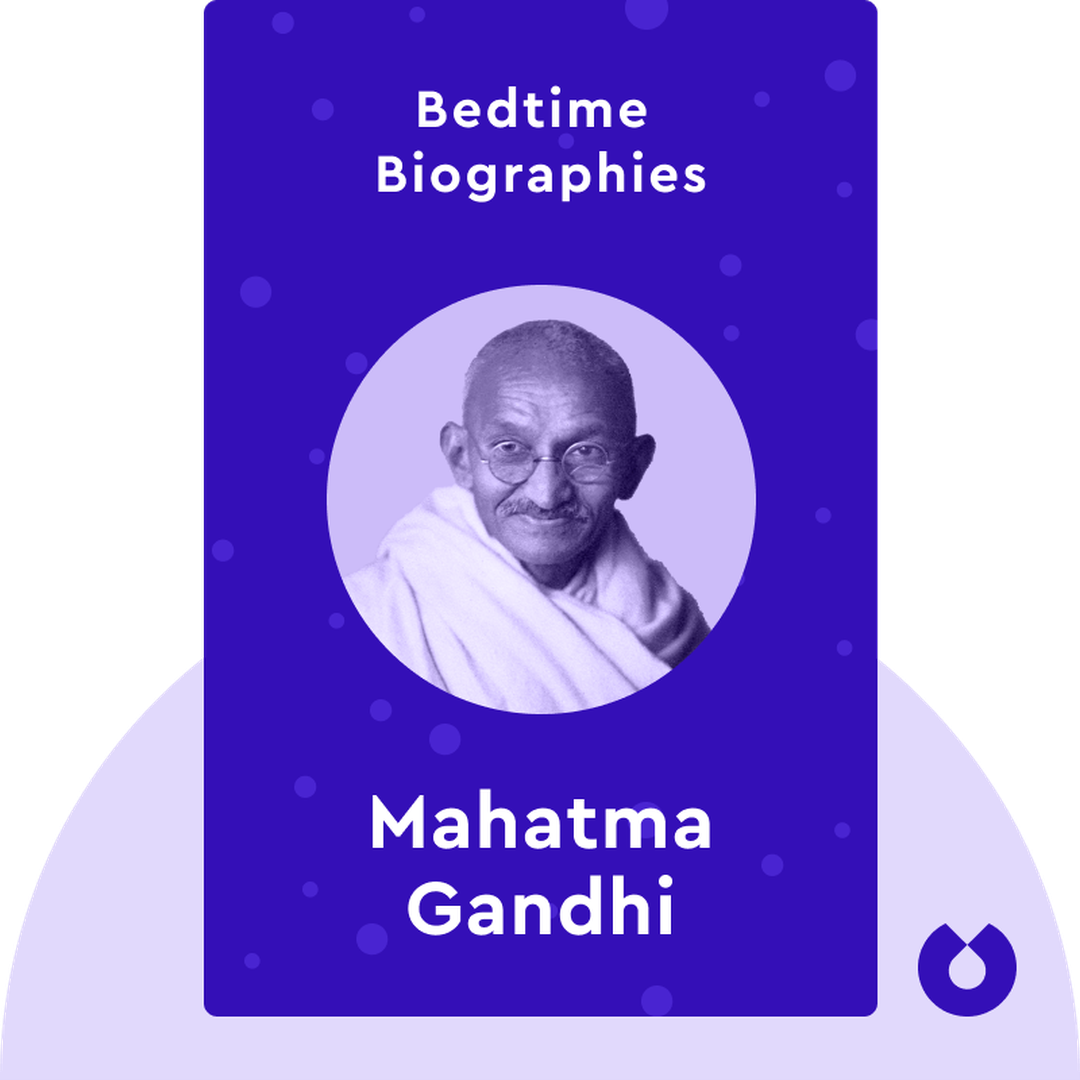
Bedtime Biography: An Autobiography
Start ListeningDownload Try free on iPhoneScan to start in 5 seconds
Categories:
If You're Curious About These Questions...
You should listen to this audiobook
- Did you know that the man who became a global symbol of peace and discipline once struggled through a surprisingly rebellious and experimental childhood?
- Have you ever wondered what the secret is to building a movement so powerful it can change history using nothing but the 'force of truth'?
- Are you curious about the pivotal life lessons Gandhi learned as an activist in South Africa that paved the way for the Indian Independence Movement?
Listen to Bedtime Biography: An Autobiography — Free Audiobook
Loading player...
Key Takeaways from Bedtime Biography: An Autobiography
- Discover how Gandhi's early exposure to diverse faiths in his childhood home shaped his ethical code and lifelong commitment to societal inclusion.
- Explore Gandhi's critical reflections on his own arranged child marriage and how those experiences fueled his later advocacy for mature, informed consent.
- Understand the profound personal regrets—including an obsession with lust that pulled him from his dying father's side—that drove Gandhi's pursuit of self-discipline and Truth.
- Learn why Gandhi defied the threat of expulsion from his own caste to study law in England, demonstrating early signs of his unwavering personal conviction.
- Find out how the man who famously led India to independence initially struggled with crippling shyness and professional setbacks during his early law career.
Learning Tools
Reinforce what you learned from Bedtime Biography: An Autobiography
Mind Map
Bedtime Biography: An Autobiography
Early Life & Influences+
Education & Early Career+
South Africa & Activism+
Philosophical Development+
India's Independence Movement+
Legacy & Impact+
Quiz — Test Your Understanding
Question 1 of 10
What unusual aspect of Gandhi's childhood home helped shape his later views on inclusion?
Question 2 of 10
Looking back on his youth, what was one of Gandhi's major regrets regarding his early marriage to Kasturbai?
Question 3 of 10
How did Gandhi address his mother's fears about the temptations he would face while studying law in England?
Question 4 of 10
Despite passing his law exams easily in London, why did Gandhi initially struggle as a lawyer upon returning to India?
Question 5 of 10
What notable approach did Gandhi take when he won his first major legal case for Dada Abdullah in South Africa?
Question 6 of 10
Which author's book significantly influenced Gandhi's interest in nonviolent resistance during his time in South Africa?
Question 7 of 10
In 1906, what profound lifestyle change did Gandhi and his wife make so he could focus entirely on serving others?
Question 8 of 10
What event prompted Gandhi to first apply his concept of 'Satyagraha' (nonviolent resistance) in 1907?
Question 9 of 10
Following the deadly clashes during the 1919 protests against the Rowlatt Act, what did Gandhi realize about the participants?
Question 10 of 10
Why did Gandhi encourage Indians to make their own homespun garments out of 'khadi'?
Bedtime Biography: An Autobiography — Full Chapter Overview
- 1Recommendation
- 2Chapter One
- 3Chapter Two
- 4Chapter Three
- 5Chapter Four
- 6The End
Bedtime Biography: An Autobiography Summary & Overview
Narrated by Marston York
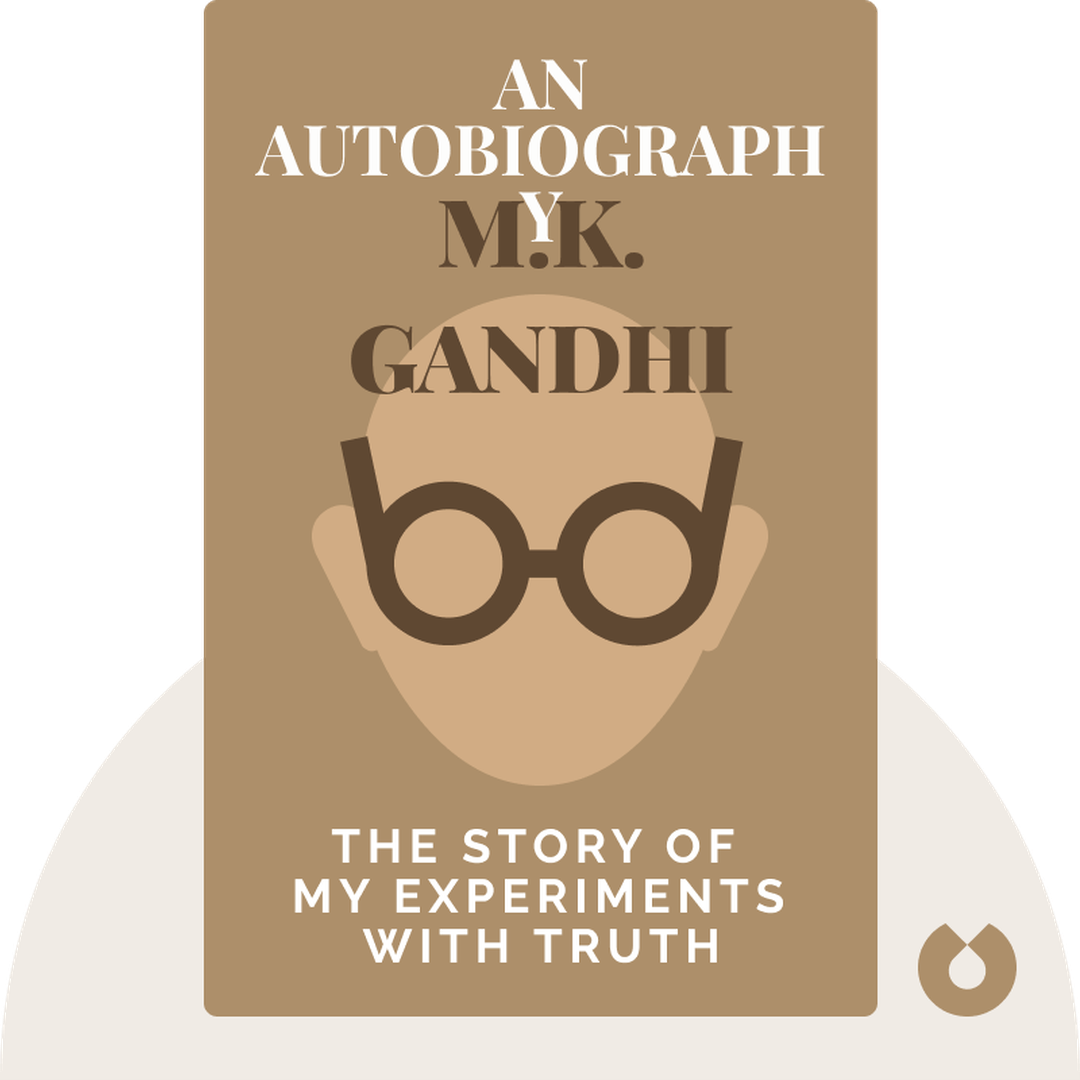
An Autobiography (First published in two volumes; Volume 1, 1927, and Volume 2, 1929) is the autobiography of one of the world’s most famous political icons – Mohandas Karamchand Gandhi. The book traverses his rebellious childhood, his early activism in South Africa and his work for the Indian Independence Movement up until 1920, and gives insight into Gandhi’s personal philosophy and his lifelong quest for Truth.
Who Should Listen to Bedtime Biography: An Autobiography?
- Anyone interested in Gandhi’s life and personal philosophy
- Students of history and political science
- People cultivating leadership skills
Books Similar to Bedtime Biography: An Autobiography
Readers who enjoyed this also liked these titles.