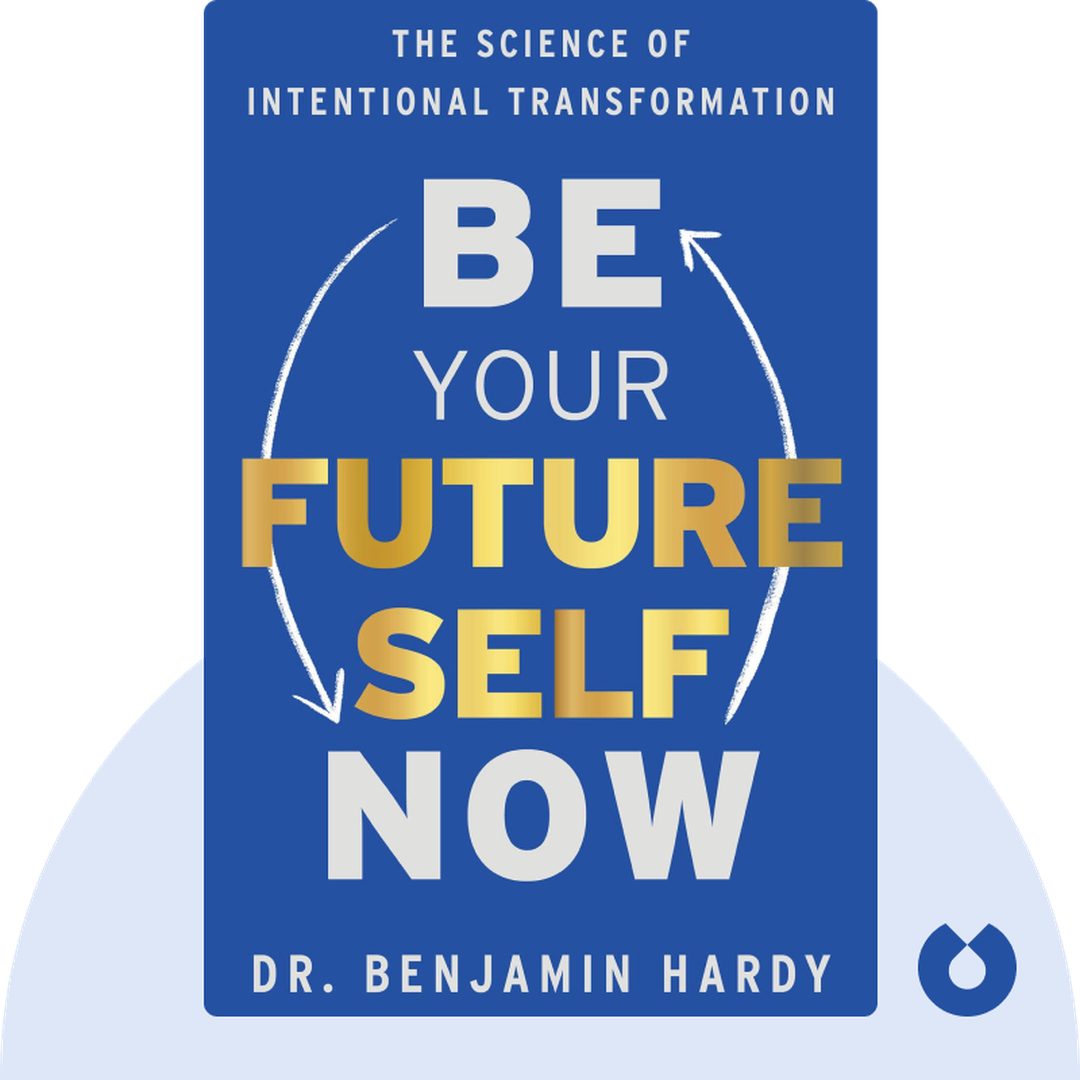
Be Your Future Self Now
Start ListeningDownload Try free on iPhoneScan to start in 5 seconds
Categories:
If You're Curious About These Questions...
You should listen to this audiobook
- What if you could bridge the gap between who you are today and your highest potential by making one simple mental shift?
- Are you curious about the seven hidden threats that are sabotaging your future success without you even realizing it?
- What’s the secret to making decisions today that your future self will look back on and thank you for?
Listen to Be Your Future Self Now — Cinematic Audio Edition
Loading player...
Key Takeaways from Be Your Future Self Now
- Discover why your behavior is pulled by your future rather than dictated by your past, and use this psychological shift to change your life's trajectory.
- Learn how to neutralize the threat of negative past experiences by consciously crafting an empowering narrative that makes you better, not bitter.
- Understand why playing it safe is actually failing by default, and find the courage to pursue risky, noble goals to reach your ultimate potential.
- Break free from the 'end-of-history illusion' by acknowledging you aren't a finished product, allowing you to vividly define and accelerate growth into your future self.
- Explore how adopting an empowering spiritual or philosophical worldview can fundamentally shift your current mindset from a state of limitation to one of infinite potential.
Learning Tools
Reinforce what you learned from Be Your Future Self Now
Mind Map
Be Your Future Self Now
Core Philosophy+
Threats to Future Self+
Truths About Future Self+
Steps to Transformation+
Quiz — Test Your Understanding
Question 1 of 9
According to the 'positive psychologists' mentioned in the text, what primarily drives human behavior?
Question 2 of 9
Based on the story of Dr. Hardy's mother, how should one handle difficult past experiences to protect their future self?
Question 3 of 9
How does the text reframe the concept of 'playing it safe'?
Question 4 of 9
What is the 'end-of-history illusion' described by Harvard psychologist Dr. Daniel Gilbert?
Question 5 of 9
How does viewing God as a 'parent' rather than a 'potter' empower your future self, according to the text?
Question 6 of 9
What is the primary purpose of systemizing your future self's actions, such as setting up automatic investments?
Question 7 of 9
How does Dr. Hardy handle his schedule to ensure his future self's goals are met?
Question 8 of 9
Why does the text argue that 'done is better than perfect'?
Question 9 of 9
What is the book's stance on the popular phrase 'winners never quit'?
Be Your Future Self Now — Full Chapter Overview
- 1Recommendation
- 2Section One: It’s All in the Narrative
- 3Section Two: Stepping Into the Arena
- 4Section Three: Your Future Self Is a Different Person
- 5Section Four: God’s Hand
- 6Section Five: Building Systems for Success
- 7Section Six: Finished Is Better Than Perfect
- 8Final summary
Be Your Future Self Now Summary & Overview
Be Your Future Self Now (2022) is a guide to defining your future self – and making sure you get there. It walks readers through the seven threats to your future self, the seven truths about your future self, and the seven steps you can take to be your future self today.
Who Should Listen to Be Your Future Self Now?
- Those ready to take their careers and lives to the next level
- Individuals seeking clarity on their future
- Anyone frustrated by unsuccessful New Year’s resolutions
Books Similar to Be Your Future Self Now
Readers who enjoyed this also liked these titles.