If You're Curious About These Questions...
You should listen to this audiobook
- Did you know that the intense, private bonds between Victorian schoolgirls were once viewed as a radical threat to the social order?
- Have you ever wondered why mainstream culture has spent centuries trying to police, ignore, or redefine what it actually means to be a 'good' female friend?
- Are you curious about how secret confidantes in Depression-era workplaces and feminist consciousness-raising circles actually laid the groundwork for modern social revolutions?
Listen to Bad Friend — Free Audiobook
Loading player...
Key Takeaways from Bad Friend
- Discover how early philosophers like Aristotle wrongly declared women incapable of true friendship, while historical figures like Phillis Wheatley forged profound intellectual bonds.
- Understand why Victorian society actively encouraged intense romantic crushes between young women as a harmless dress rehearsal for their future domestic devotion.
- Learn how the liberatory potential of female friendship sparked a societal moral panic when women began finding emotional fulfillment and purpose outside of marriage.
- Explore how turn-of-the-century urbanization transformed female friendships into vital survival networks, allowing single working women to share resources and build communities.
- Uncover the historical origins of the 'bad female friend' stereotype and recognize how our peer groups continue to wield immense power in shaping our habits and behaviors.
Learning Tools
Reinforce what you learned from Bad Friend
Mind Map
Bad Friend
Historical Exclusions & Defiance+
Victorian Crushes & Moral Panic+
Urbanization & The 'Bad Friend'+
Political Solidarity & Feminism+
Workplace Friendships+
The Art of Neighboring+
Quiz — Test Your Understanding
Question 1 of 6
How did early philosophers and writers like Aristotle and Michel de Montaigne view the concept of female friendship?
Question 2 of 6
Why did Victorian society generally condone passionate, romanticized 'crushes' between young women at boarding schools and colleges?
Question 3 of 6
In the context of the turn-of-the-century urban workforce, how was the 'bad female friend' stereotype primarily depicted in the media?
Question 4 of 6
What significant complication within the female friendships of early women's movements was highlighted by figures like Ida B. Wells and Mother Jones?
Question 5 of 6
How did 1930s career advice for women, such as Elizabeth MacGibbon’s 'Manners in Business', contrast with the advice Dale Carnegie gave to men?
Question 6 of 6
What does modern sociological research suggest about the nature of community and friendship over time?
Bad Friend — Full Chapter Overview
- 1Recommendation
- 2Women have always had friendships … despite what men thought
- 3Innocent crush or moral panic?
- 4Modern girls and modern friendships
- 5Solidarity between friends
- 6Work wives
- 7The art of being neighbors
- 8Final summary
Bad Friend Summary & Overview
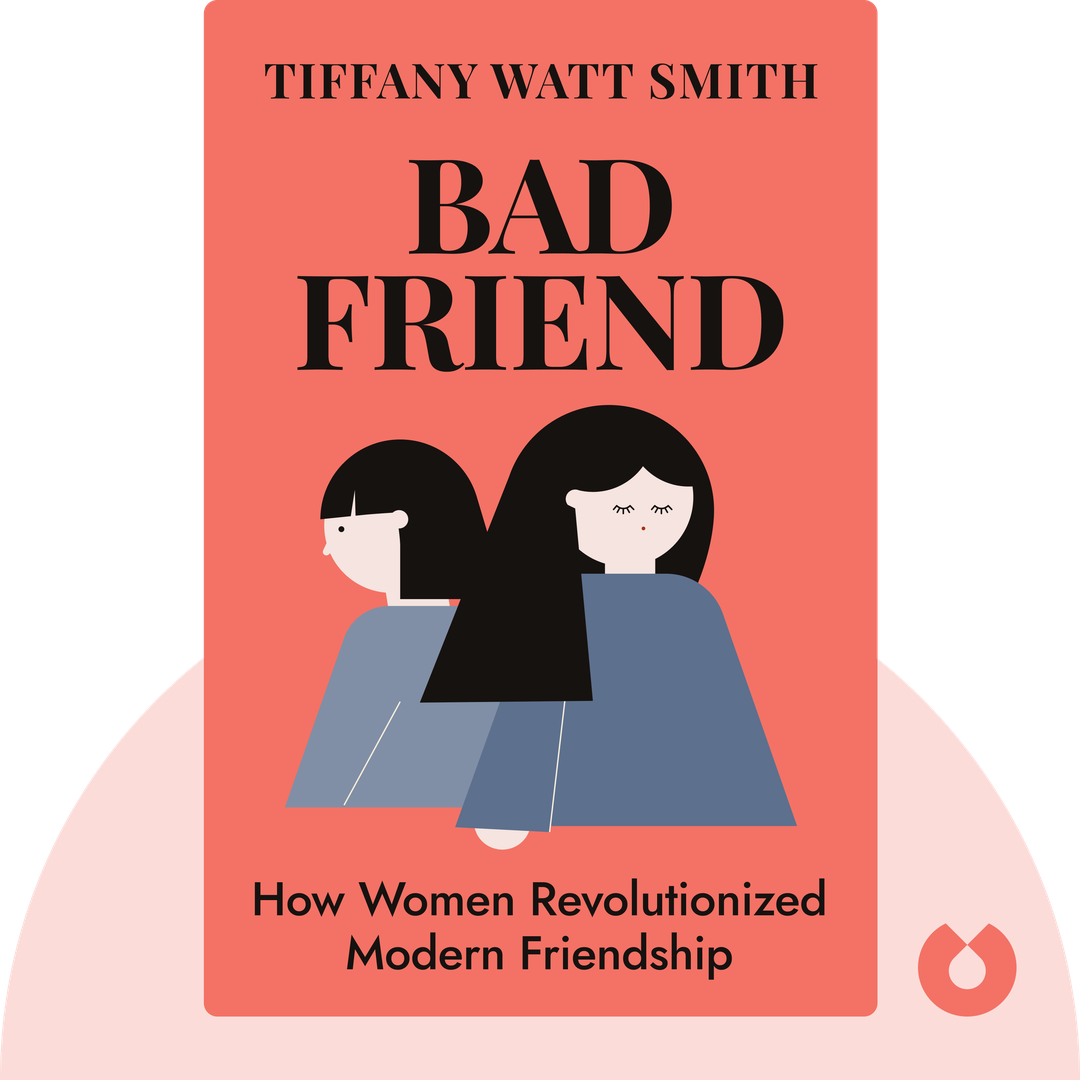
Bad Friend (2025) explores the fascinating and understudied subject of female friendship throughout history. This survey of friendships between women introduces the reader to Victorian schoolgirl attachments, Depression-era workplace confidantes, feminist consciousness-raising circles, and more. It also offers an incisive analysis of the way mainstream culture has alternately ignored, policed, and celebrated this specific bond.
Who Should Listen to Bad Friend?
- History lovers who want to uncover untold stories of female friendship
- Feminists ready to learn how female friendship has shaped resistance and revolution
- Anyone who is, or has, a female friend
Books Similar to Bad Friend
Readers who enjoyed this also liked these titles.