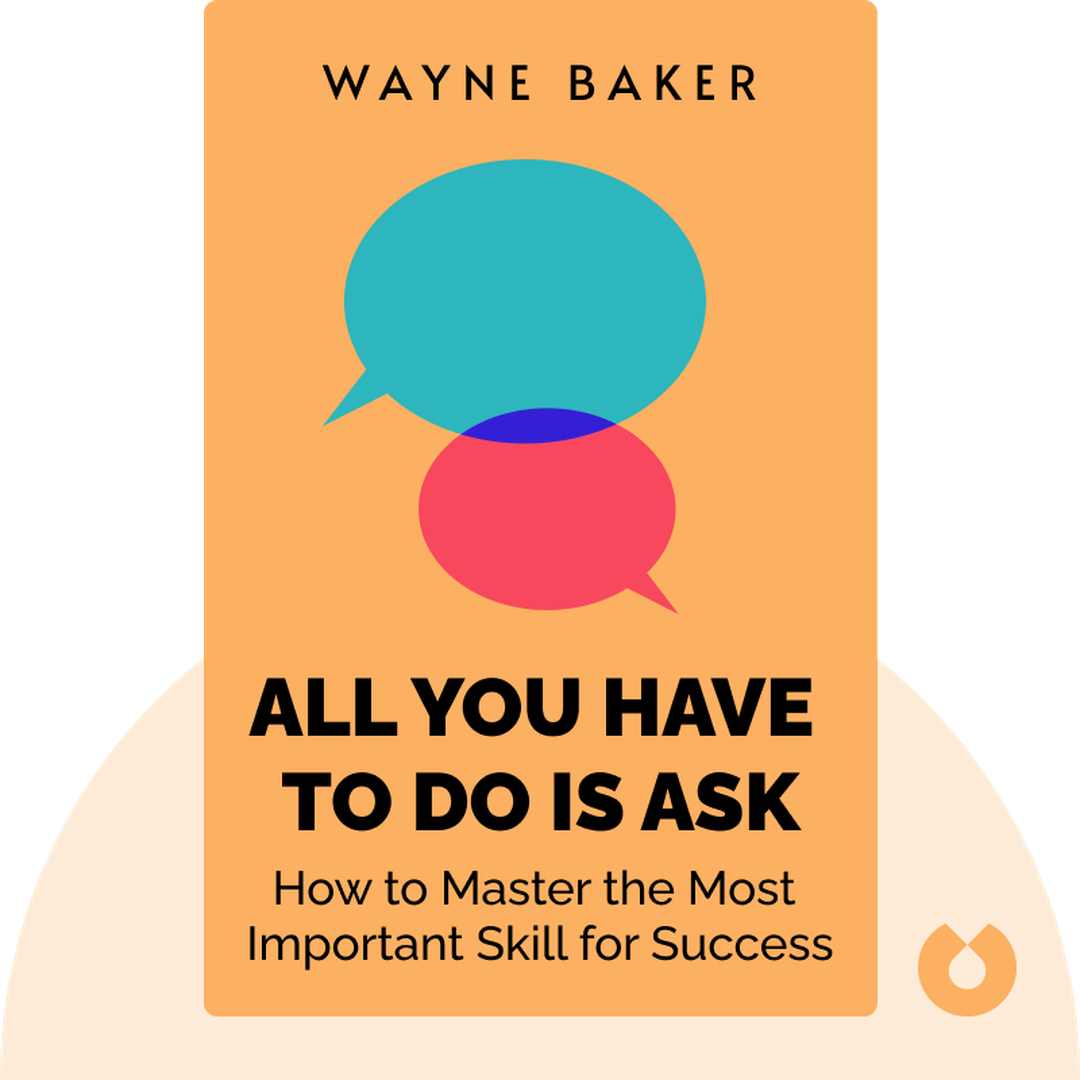
All You Have to Do Is Ask
Start ListeningDownload Try free on iPhoneScan to start in 5 seconds
Categories:
If You're Curious About These Questions...
You should listen to this audiobook
- Did you know there are eight specific psychological barriers that secretly prevent even the most successful leaders from asking for the help they need?
- What if you could unlock a hidden wealth of resources and expertise within your professional network simply by mastering the art of the request?
- Have you ever wondered why some teams collaborate effortlessly while others struggle, and how a single shift in culture can transform your organization’s productivity?
Listen to All You Have to Do Is Ask — Free Audiobook
Loading player...
Key Takeaways from All You Have to Do Is Ask
- Discover why your success often depends on your ability to ask for help, a simple skill that unlocks hidden resources and drives both personal and organizational growth.
- Learn to overcome the hesitation of seeking assistance by realizing that 90 percent of all help provided in the workplace occurs only after a direct request is made.
- Understand why we routinely underestimate others' willingness to help, and find out how reaching out to distant acquaintances or old friends can bridge gaps to entirely new solutions.
- Master the art of cultivating a psychologically safe company culture where employees feel completely comfortable asking questions, admitting mistakes, and collaborating to drive innovation.
- Find out how prioritizing basic 'kindergarten skills' like respect and sharing during the hiring process can dismantle competitive silos and encourage a thriving environment of mutual support.
Learning Tools
Reinforce what you learned from All You Have to Do Is Ask
Mind Map
All You Have to Do Is Ask
The Value of Asking+
Human Generosity+
Four Giving-Asking Styles+
Making Effective Requests+
Organizational Culture+
Tools and Routines+
Recognition and Rewards+
Quiz — Test Your Understanding
Question 1 of 8
According to the book, what is the primary reason most people struggle to ask for assistance?
Question 2 of 8
Why does the author recommend reaching out to acquaintances and former friends when you need help?
Question 3 of 8
According to research conducted at Google, what is the most important ingredient in an organization's culture to encourage employees to ask questions and admit mistakes?
Question 4 of 8
Which of the following is considered the worst giving-asking style in the workplace, as it leads to social isolation?
Question 5 of 8
When formulating a request, the author suggests using the SMART criteria. In this context, what does making a request 'meaningful' entail?
Question 6 of 8
How does the software firm Menlo Innovations take the daily 'stand-up' meeting one step further to normalize making requests?
Question 7 of 8
How did the executives and superintendents at Kent Power successfully reestablish productive communication and bridge their structural divide?
Question 8 of 8
What critical step did principal agent Jim Levine realize he was missing when trying to encourage a shy employee to speak up?
All You Have to Do Is Ask — Full Chapter Overview
- 1Recommendation
- 2Asking for help bridges the gap between us and success.
- 3We often underestimate how willing and able others are to help.
- 4A company’s culture, systems, procedures, and practices can prevent people from asking for and offering help.
- 5Asking for help matters just as much as giving it.
- 6Learning to ask for what you need will move you closer to your goal.
- 7Create team norms and routines that allow employees to ask for help.
- 8Expand the network of people and resources you can turn to with your requests.
- 9Recognize, appreciate, and reward those who ask for help as well as those who provide it.
- 10Final summary
All You Have to Do Is Ask Summary & Overview
All You Have to Do Is Ask (2020) provides a set of tools that will help you improve your ability to ask for the things that contribute to success. It identifies eight main obstacles that stop us from making requests and examines how they can be overcome or circumvented.
Who Should Listen to All You Have to Do Is Ask?
- Team leaders and managers
- CEOs
- Entrepreneurs
Books Similar to All You Have to Do Is Ask
Readers who enjoyed this also liked these titles.