Theme Song
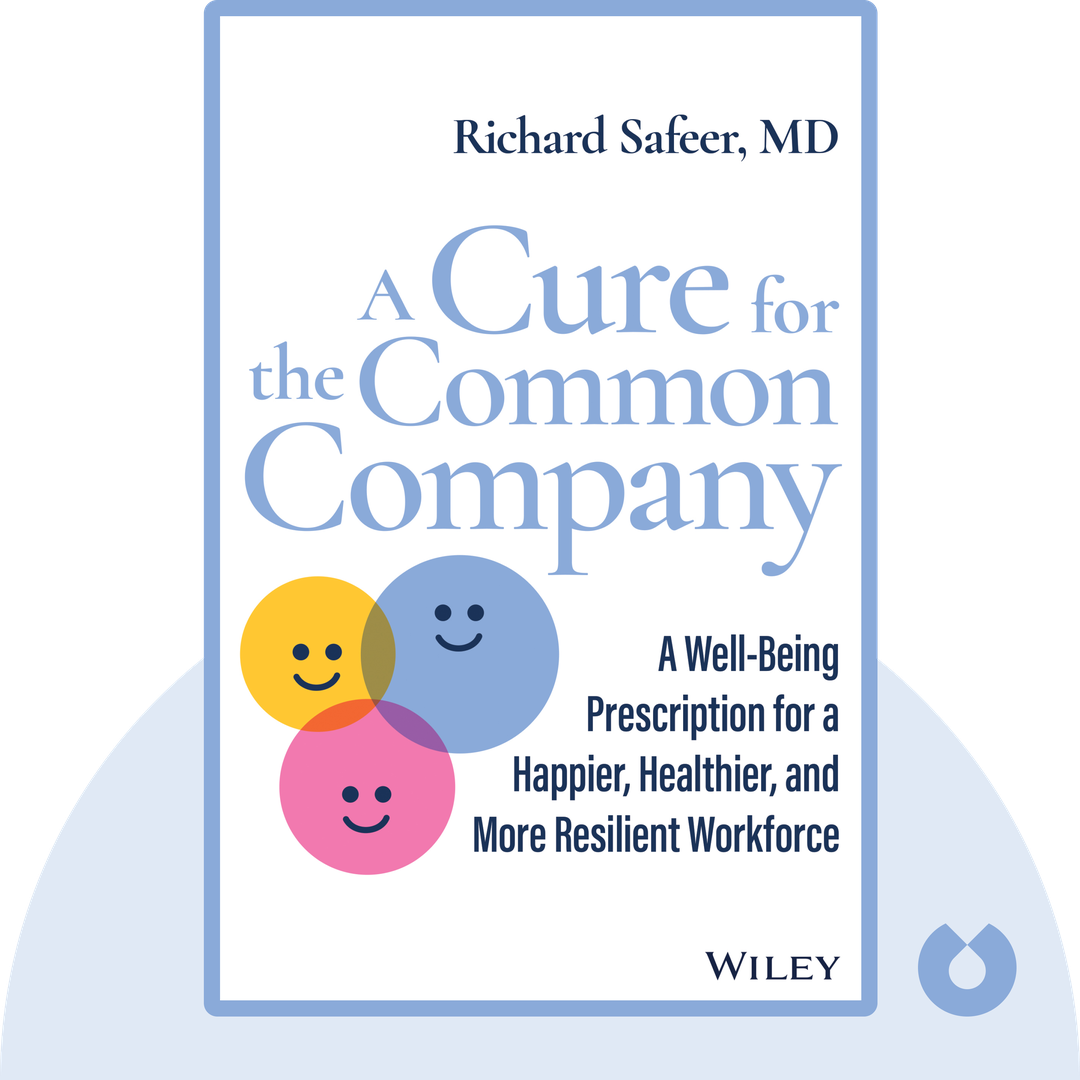
A Cure for the Common Company
Start ListeningDownload Try free on iPhoneScan to start in 5 seconds
Categories:
If You're Curious About These Questions...
You should listen to this audiobook
- Did you know that most workplace wellness initiatives fail because they overlook one critical cultural component?
- What if you could transform your business into a high-performance engine simply by prioritizing your team’s well-being?
- Are you curious about the specific leadership strategies that turn a 'common company' into a thriving, health-first community?
Listen to A Cure for the Common Company — Free Audiobook
Loading player...
Key Takeaways from A Cure for the Common Company
- Discover why isolated wellness incentives fail and learn how to build a true culture of well-being that aligns company policies, physical spaces, and messaging.
- Understand the importance of matching organizational values with actual workplace practices, ensuring leadership's wellness messaging isn't contradicted by demands for long hours.
- Learn how to foster a positive social climate and psychological safety by modeling leadership vulnerability, which helps break down the stigma around health struggles.
- Master the art of shifting unhealthy workplace norms by evaluating whether your unwritten rules truly align with company values and meaningfully serve both employees and the organization.
- Find out how to encourage healthier employee choices through gentle environmental nudges, like making stairs more visible, rather than relying on rigid rules that curb autonomy and cause pushback.
Learning Tools
Reinforce what you learned from A Cure for the Common Company
Mind Map
A Cure for the Common Company
Core Premise+
Shared Values+
Social Climate+
Norms+
Culture Connection Points+
Peer Support+
Leadership Engagement+
Navigating Speed Bumps+
Quiz — Test Your Understanding
Question 1 of 8
Why did the 'Healthy at Hopkins' initiative initially struggle to maintain employee motivation?
Question 2 of 8
According to the book, what happens when a company's leadership promotes wellness but simultaneously endorses working long hours?
Question 3 of 8
How did Aetna CEO Mark Bertolini improve the social climate of his company following his severe skiing accident?
Question 4 of 8
Why did The Motley Fool decide to shift its workplace norms by openly posting all project opportunities?
Question 5 of 8
What is a 'culture connection point' in the context of workplace well-being?
Question 6 of 8
What was the primary purpose of the buddy program launched at Massachusetts General Hospital during the COVID-19 pandemic?
Question 7 of 8
How do managers at pharmaceutical giant Johnson & Johnson embed physical wellness as a cultural norm?
Question 8 of 8
How does Johns Hopkins evaluate the effectiveness of its employer health promotion efforts?
A Cure for the Common Company — Full Chapter Overview
- 1Recommendation
- 2Common values
- 3Social environment
- 4Shared norms
- 5Cultural connection points
- 6Support from peers
- 7Leadership involvement
- 8Navigating obstacles
- 9Final summary
A Cure for the Common Company Summary & Overview
A Cure for the Common Company (2023) delves into transforming traditional business environments into dynamic, health-centric workplaces. It emphasizes the importance of integrating well-being into corporate culture, outlining strategies for creating a more engaged, productive, and healthy workforce.
Who Should Listen to A Cure for the Common Company?
- Leaders who want to look after their team
- Working professionals who value their health
- Anyone trying to build a company culture of well-being
Books Similar to A Cure for the Common Company
Readers who enjoyed this also liked these titles.