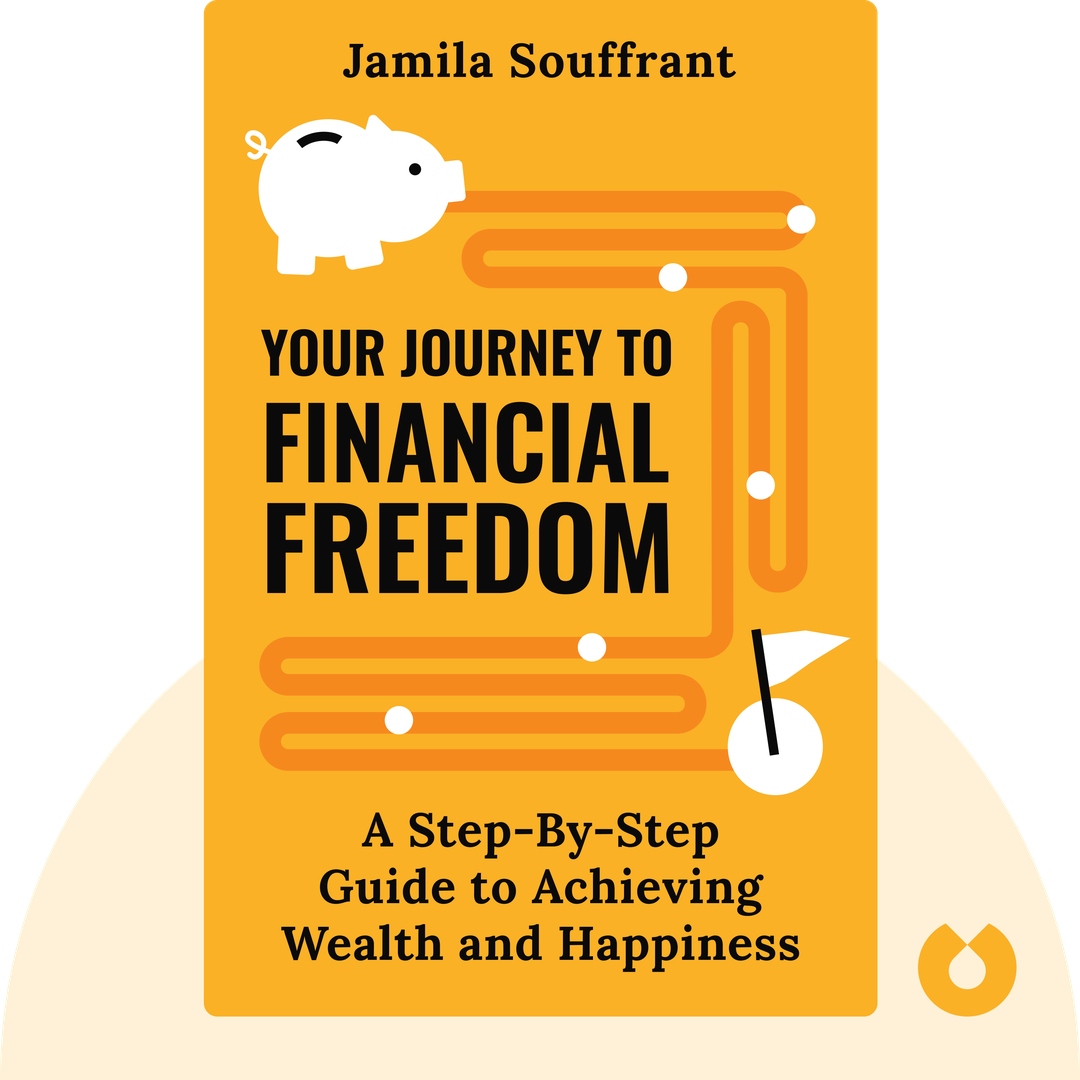
Your Journey to Financial Freedom
Start ListeningDownload Try free on iPhoneScan to start in 5 seconds
Categories:
If You're Curious About These Questions...
You should listen to this audiobook
- What if you could map out a clear, actionable path to quit your nine-to-five and achieve total financial independence?
- What’s the secret to building a rock-solid financial foundation without sacrificing the lifestyle you want to live today?
- Are you curious about which specific stage of the journey to financial freedom you’re currently in and how to unlock the next level?
Listen to Your Journey to Financial Freedom — Free Audiobook
Loading player...
Key Takeaways from Your Journey to Financial Freedom
- Understand the vital difference between financial independence, where your assets pay for your lifestyle, and financial freedom, which grants you immediate choices and control over your cash flow.
- Discover the five distinct stages of the financial independence journey—from a debt-burdened Explorer to a fully independent Captain—to accurately pinpoint where you currently stand.
- Learn how to apply the FI formula by using your mindset and habits to maximize the gap between your income and expenses for debt payoff, investing, and discretionary spending.
- Find out how to define your ideal standard of living using the five-tier Guacamole Lifestyle Levels so you can tailor your financial plan to comfortably sustain it.
- Master the process of mapping your current financial landscape by thoroughly auditing your income, expenses, assets, and liabilities to forecast and reach your ultimate goals.
Learning Tools
Reinforce what you learned from Your Journey to Financial Freedom
Mind Map
Your Journey to Financial Freedom
Fundamentals of FI+
Groundwork & Mindset+
Mapping the FI Plan+
Execution Strategy+
Stage-Based Allocation+
Quiz — Test Your Understanding
Question 1 of 8
According to the book, what is the primary difference between financial independence (FI) and financial freedom?
Question 2 of 8
In the five stages of the financial independence journey, what characterizes the 'Aviator' stage?
Question 3 of 8
The 'FI formula' creates a 'gap' that is meant to be divided into three specific categories. Which of the following is NOT one of those three categories?
Question 4 of 8
What is the purpose of the 'Guacamole Lifestyle Levels' framework?
Question 5 of 8
How does the '25x Rule' help you forecast your financial end goal?
Question 6 of 8
When mapping out a budget, what is the specific function of 'sinking funds'?
Question 7 of 8
When executing your FI plan to slash debts, what distinguishes the 'snowball method' from the 'avalanche method'?
Question 8 of 8
According to the book's stage-based allocation guide, how should someone in the 'Commander' stage divide their financial gap?
Your Journey to Financial Freedom — Full Chapter Overview
- 1Recommendation
- 2Master the basics of financial independence
- 3Build the foundation for your FI plan
- 4Chart your FI plan clearly
- 5Execute your FI plan now
Your Journey to Financial Freedom Summary & Overview
Your Journey to Financial Freedom (2023) is a comprehensive guide designed to help you achieve financial independence through smart money management and investment strategies. It delves into the importance of budgeting, saving, and investing, providing practical tools and advice to create a solid financial foundation.
Who Should Listen to Your Journey to Financial Freedom?
- Those seeking financial
- Professionals looking to quit their nine-to-five
- Beginners in personal finance and investment education
Books Similar to Your Journey to Financial Freedom
Readers who enjoyed this also liked these titles.