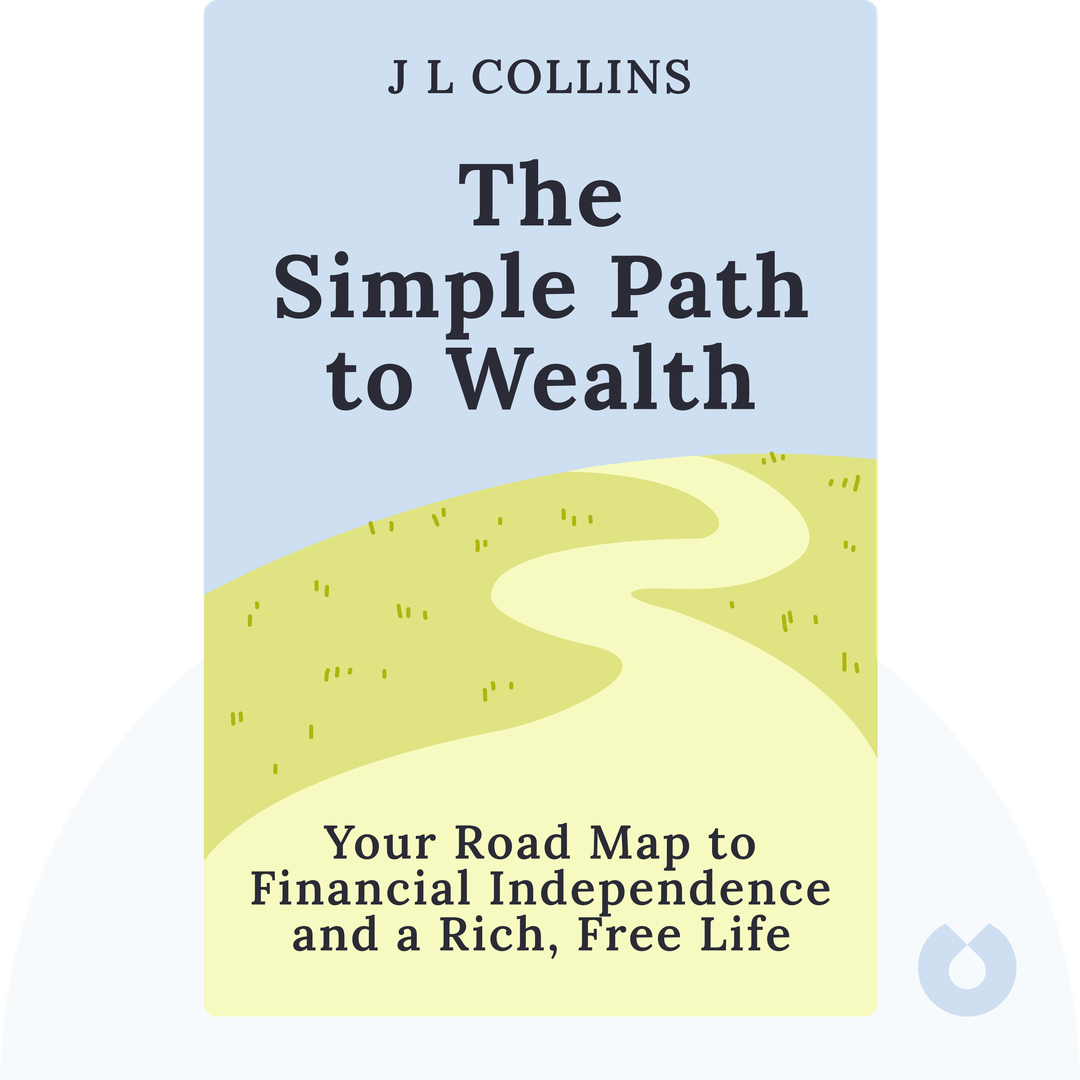
The Simple Path to Wealth
Start ListeningDownload Try free on iPhoneScan to start in 5 seconds
Categories:
If You're Curious About These Questions...
You should listen to this audiobook
- What if you could build a massive fortune using a strategy so simple that most financial advisors are afraid to tell you about it?
- Did you know that the secret to achieving 'F-you money' isn't about picking winning stocks, but about mastering one specific, counterintuitive mindset?
- Have you ever wondered why the most complex investment portfolios often perform worse than a single, low-cost index fund?
Listen to The Simple Path to Wealth — Cinematic Audio Edition
Loading player...
Key Takeaways from The Simple Path to Wealth
- Understand why there is no such thing as 'good debt' and learn how aggressively paying off your liabilities is the crucial first step to achieving financial independence.
- Discover the power of investing in a total stock market index fund like VTSAX to effortlessly own a piece of every publicly traded company and secure significant long-term returns.
- Learn how to confidently navigate inevitable stock market crashes by ignoring media buzz, holding your investments, and trusting the market to bounce back to even higher peaks.
- Master the strategic use of bonds to safely shelter your portfolio against deflation, balancing out the high rewards and volatility of the stock market.
- Find out how to automate your wealth accumulation for a comfortable retirement by effectively leveraging your employer's 401(k) plan to make your income work for you.
Learning Tools
Reinforce what you learned from The Simple Path to Wealth
Mind Map
The Simple Path to Wealth
Financial Independence Mindset+
Understanding the Stock Market+
Core Investment Strategy+
Avoiding Investment Pitfalls+
Retirement & Philanthropy+
Quiz — Test Your Understanding
Question 1 of 8
According to the book, what is the primary purpose of accumulating 'F-You Money'?
Question 2 of 8
How does the book describe the 'opportunity cost' of spending money, for example on a luxury car?
Question 3 of 8
What is the book's perspective on trying to pick individual 'winning' stocks?
Question 4 of 8
For a simplified investment strategy, what two-fund portfolio does the book recommend?
Question 5 of 8
What is the book's conclusion on lump-sum investing versus dollar-cost averaging (DCA)?
Question 6 of 8
What advice does the book offer to people under 55 regarding their Social Security planning?
Question 7 of 8
When it comes to philanthropy, what approach does the author recommend for making the most significant impact?
Question 8 of 8
How does the author recommend investors should react to market downturns and volatility?
The Simple Path to Wealth — Full Chapter Overview
- 1Recommendation
- 2A blueprint for financial independence
- 3Decoding the mysteries of the stock market
- 4Strategies for resilient wealth growth
- 5Avoiding the common investment pitfalls
- 6Social Security and philanthropy
The Simple Path to Wealth Summary & Overview
The Simple Path to Wealth (2016) navigates the intricate world of investing, presenting clear and direct strategies for financial success. By demystifying money's role it reveals the authentic mechanics of the stock market, and offers a straightforward method to avoid financial snares, all while emphasizing the power of simplicity in wealth building.
Who Should Listen to The Simple Path to Wealth?
- Beginners to personal finance looking for a foundational understanding of investing and wealth-building.
- Parents or caregivers wanting to impart sound financial advice and habits to their children.
- Young professionals aiming to establish a solid financial footing for their future.
Books Similar to The Simple Path to Wealth
Readers who enjoyed this also liked these titles.