If You're Curious About These Questions...
You should listen to this audiobook
- Have you ever wondered why embracing the fact that your time is limited could actually be the secret to a more joyful and vibrant daily life?
- What if you could calculate your 'remaining Mondays' to instantly gain clarity on what truly matters to you?
- Are you curious about the specific psychological shifts that can turn a mundane existence into one filled with passion, purpose, and zero regrets?
Listen to You Only Die Once — Free Audiobook
Loading player...
Key Takeaways from You Only Die Once
- Discover how calculating your remaining weeks of life can jolt you out of complacency and reawaken a visceral appreciation for your daily existence.
- Learn how to reverse-engineer an astonishing life by writing your own obituary and consulting your imagined 80-year-old self for profound personal wisdom.
- Understand why regrets are highly valuable tools for decision-making, and learn to transform them from sources of suffering into actionable life instructions.
- Find out how to confront your potential 'deathbed regrets' today by taking immediate micro-steps toward abandoned dreams and fractured relationships.
- Identify everyday 'vitality snuffers' like excessive screen time and overwork, and discover how to deliberately amplify your enthusiasm and zest for life.
Learning Tools
Reinforce what you learned from You Only Die Once
Mind Map
You Only Die Once
Waking Up to Impermanence+
Living Astonishingly+
Mining Regrets for Wisdom+
Cultivating Vitality+
Quiz — Test Your Understanding
Question 1 of 6
According to the author, what is the primary purpose of calculating the number of weeks you have left to live?
Question 2 of 6
How does the 'obituary exercise' help individuals live a more astonishing life?
Question 3 of 6
How does Jodi Wellman distinguish between 'hot regrets' and 'regrets of omission'?
Question 4 of 6
What is the recommended approach for tackling the items on your 'deathbed regrets list'?
Question 5 of 6
What is a common misconception about 'vitality' that the text actively refutes?
Question 6 of 6
According to the text, what might be the greatest 'vitality-booster' of all?
You Only Die Once — Full Chapter Overview
- 1Recommendation
- 2The Woman with the Gun
- 3Brothers Turned Wolves
- 4The German Buyer
- 5A Ghost in Nazaré
- 6The Bookie’s Door
- 7Carson’s Last Bet
- 8The Garden Trap
- 9The Brother on the Grass
- 10Names Still Unburied
You Only Die Once Summary & Overview
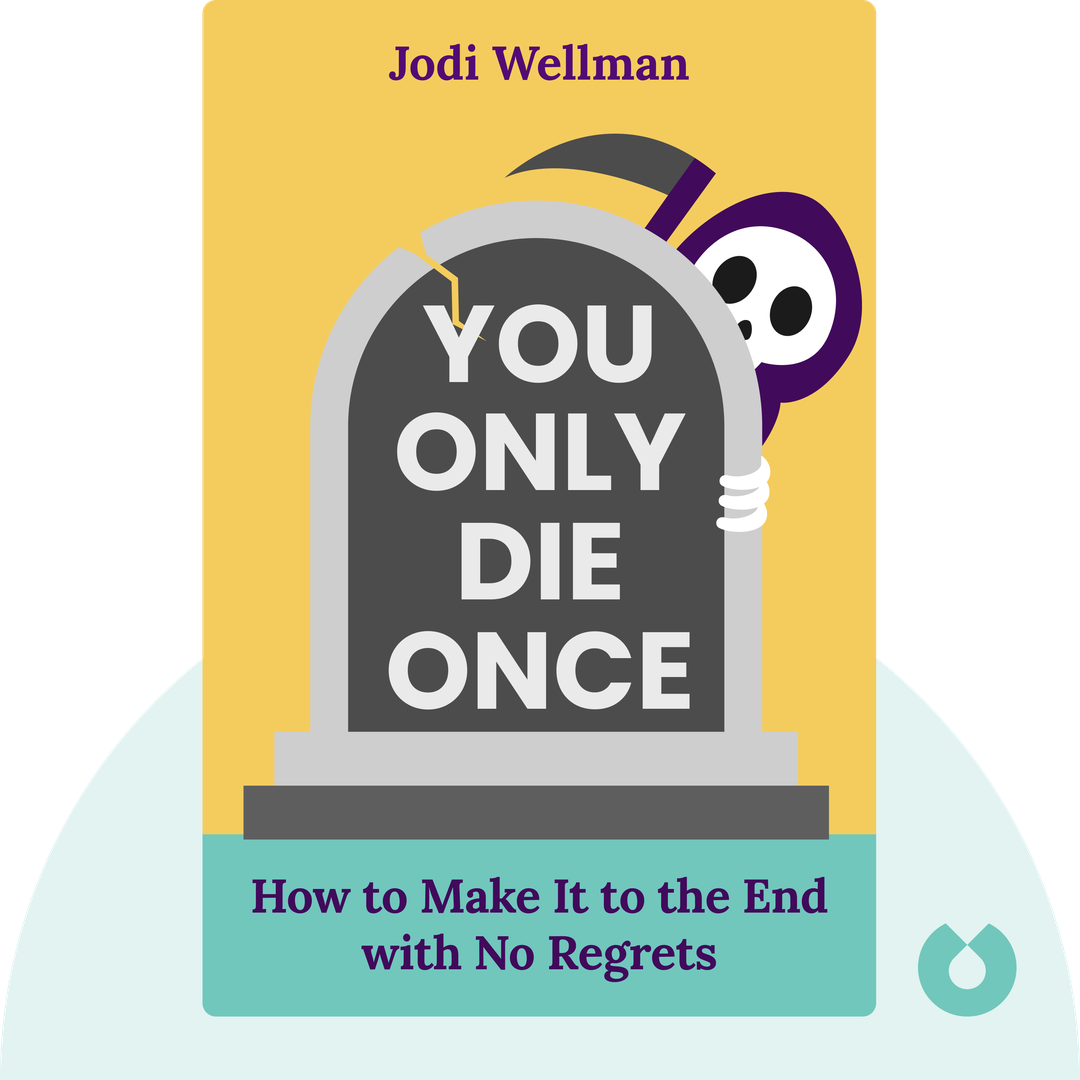
You Only Die Once (2023) is a motivational guide that encourages people to make the most of their remaining time on Earth. Drawing from positive psychology principles, it offers practical advice and inspiring stories to help you pursue your passions, find meaning, and live life to the fullest.
Who Should Listen to You Only Die Once?
- People seeking to boost their sense of passion, purpose, and engagement
- Those nearing the end of life who want to make the most of their remaining time
- Anyone interested in personal growth, self-reflection, and living intentionally
Books Similar to You Only Die Once
Readers who enjoyed this also liked these titles.