If You're Curious About These Questions...
You should listen to this audiobook
- Why do women tend to blame themselves more than men after a breakup, and how does this emotional burden shift the balance of power in modern relationships?
- How have modern science and the endless, filter-based choices of online dating stripped love of its mystical aura and transformed it into a highly rationalized process?
- If men and women aren't inherently different 'creatures from Mars and Venus,' how exactly has society engineered their conflicting romantic timelines and desires?
Listen to Why Love Hurts — Cinematic Audio Edition
Loading player...
Key Takeaways from Why Love Hurts
- Modernity and the sexual revolution shifted marriage from a strategic socioeconomic alliance to a romantic choice heavily influenced by physical attractiveness.
- Because women face societal pressure to form committed relationships and start families earlier, men currently hold a disproportionate amount of power in the romantic sphere.
- Women are more likely to internalize the failure of a relationship and blame themselves because society has closely tied their sense of self-worth to being romantically loved.
- The rise of online dating and scientific explanations for attraction have stripped love of its mystical qualities, turning mate selection into a highly rationalized, calculated process.
- Digital communication and media portrayals of romance set people up for profound disappointment by encouraging unrealistic fantasies that real-life partners cannot fulfill.
Learning Tools
Reinforce what you learned from Why Love Hurts
Mind Map
Why Love Hurts
Historical & Social Context+
Modern Mate Selection+
Power Dynamics & Self-Worth+
The Rationalization of Love+
Internet & Media Disappointment+
Building Successful Relationships+
Quiz — Test Your Understanding
Question 1 of 7
How did the historical concepts of chivalry and romance impact gender dynamics in relationships?
Question 2 of 7
According to the text, how has the criteria for choosing a mate shifted in modern times?
Question 3 of 7
Why do women tend to blame themselves more often than men for failed relationships?
Question 4 of 7
What is the primary reason men currently hold more power in the romantic sphere?
Question 5 of 7
What contributed to love becoming an increasingly rational and less mystical experience in the twentieth century?
Question 6 of 7
How do internet platforms like Skype, Facebook, and online dating sites often set people up for romantic disappointment?
Question 7 of 7
What does the author suggest is essential for building a successful relationship in the modern world?
Why Love Hurts — Full Chapter Overview
- 1Recommendation
- 2Love between women and men was long marked by inequality, but now things are improving.
- 3The way people choose partners has evolved with modernity.
- 4Women blame themselves for breakups, and men have the upper hand in love.
- 5Love is becoming ever more rational.
- 6In love, the internet and media fuel expectations and then disappointment.
- 7Passion and awareness of socially shaped gender roles are vital to a lasting relationship.
Why Love Hurts Summary & Overview
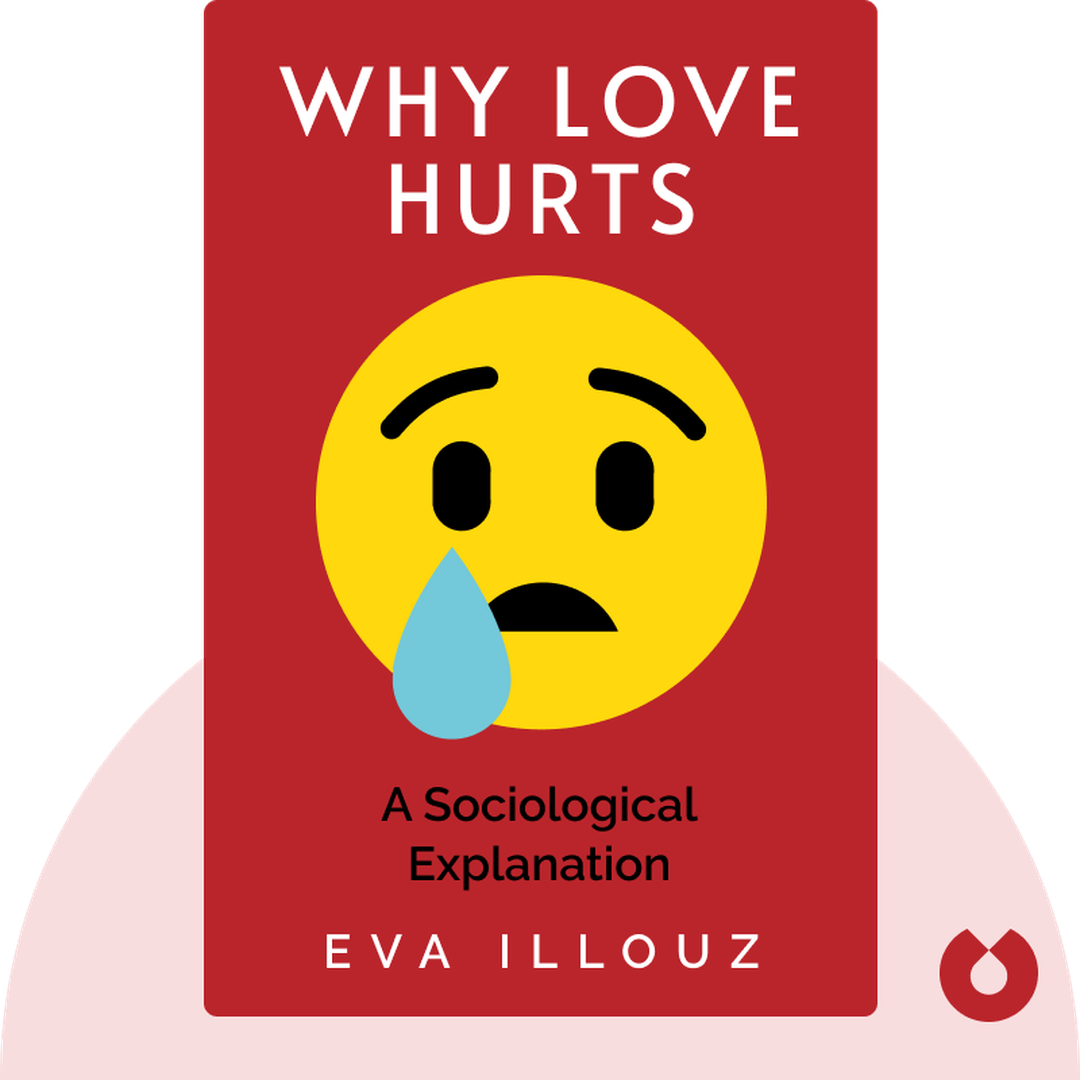
Why Love Hurts (2012) is about the history of love, romance and relationships. These blinks detail the gender differences, cultural expectations and social structures that shape our conception of love and make it one of the more difficult emotions to experience.
Who Should Listen to Why Love Hurts?
- Men who are fed up with being called unemotional
- Women who are tired of being considered clingy
- Singles who struggle to maintain relationships
Books Similar to Why Love Hurts
Readers who enjoyed this also liked these titles.