If You're Curious About These Questions...
You should listen to this audiobook
- Have you ever wondered if the very filters you use on dating apps are accidentally screening out your most compatible matches?
- Did you know that the trends in modern dating—from the rise of casual sex to the challenges of college romance—can be explained by the same economic principles that govern the stock market?
- Are you curious about how shifting social norms and economic incentives are secretly shaping your relationship choices more than your own personal preferences?
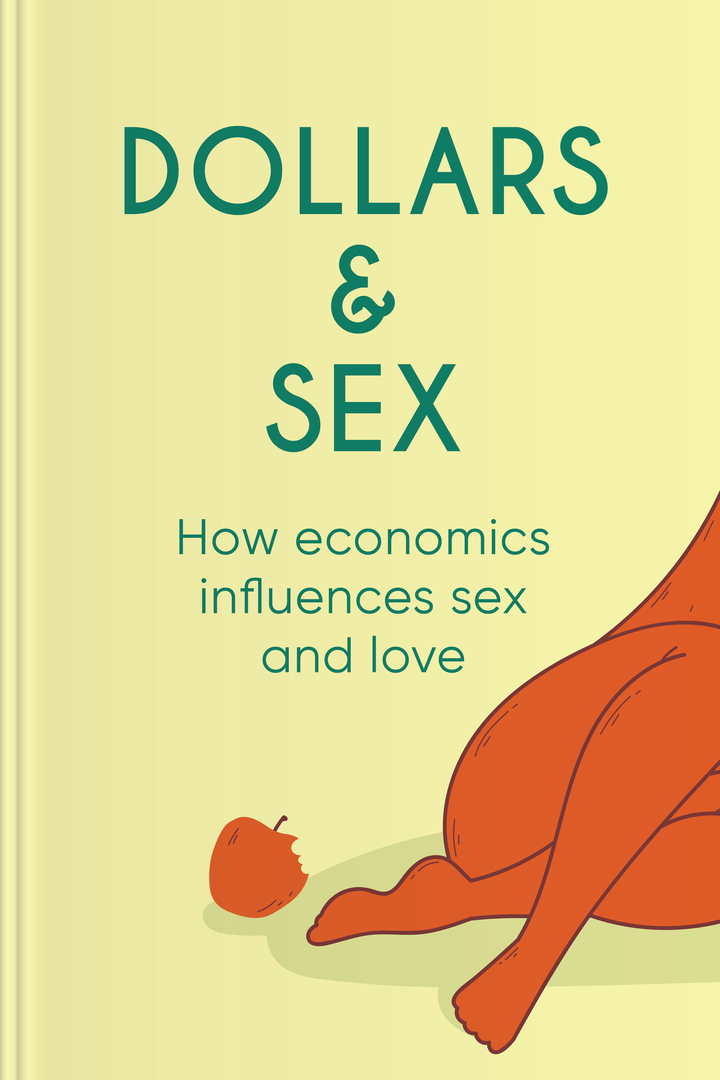
Listen to Dollars and Sex — Cinematic Audio Edition
Key Takeaways from Dollars and Sex
- Discover how applying an economic perspective to modern romance reveals the hidden market forces—like location, education, and gender ratios—that shape who we meet and date.
- Understand how technological shifts like modern contraception altered the cost-benefit analysis of intimacy, fundamentally rewriting societal rules around marriage and casual sex.
- Learn why increased sexual freedom doesn't automatically translate to joy, as economic research reveals that a higher number of sexual partners is generally associated with lower overall happiness.
- Uncover the surprising reality behind college hookup culture, including the counterintuitive fact that university students actually have less sex on average than their non-student peers.
- Explore the dating 'bargaining gap' to see how differing relationship goals between men and women create an environment where setting a slower romantic pace can feel difficult.
Learning Tools
Reinforce what you learned from Dollars and Sex
Mind Map
Quiz — Test Your Understanding
Dollars and Sex — Full Chapter Overview
- 1Recommendation
- 2In many societies, more liberal views on female sexuality have brought greater freedom.
- 3As financial and social risks have fallen, premarital pregnancies have risen.
- 4Supply and demand have made women more sexually active in college.
- 5Internet dating site criteria create a thin marketplace.
- 6Marriage makes economic sense in both the household and the bedroom.
- 7Stronger economics displaced polygamy in favor of educated wives with marital power.
- 8Divorce rates are closely tied to financial security and economic equality.
- 9Final summary
Dollars and Sex Summary & Overview
This narration reframes dating, sex, and marriage through an economic lens—looking at incentives, tradeoffs, and how changing technology and social norms reshape relationship choices. Along the way, it explores why casual sex became more common, why college dating can feel lopsided, and how online filters can accidentally screen out great matches.
With a calm, supportive tone, the script invites listeners to reflect on “market value,” timing, and environment—not as harsh judgments, but as practical ways to understand constraints and expand options. The goal is not to tell anyone what to choose, but to offer a clearer map of the forces influencing modern relationships.
Who Should Listen to Dollars and Sex?
- People who feel confused or discouraged by modern dating and want a clearer, more practical framework.
- Listeners curious about how technology, education, and income trends shape relationships and marriage patterns.
- Anyone making decisions about commitment, marriage, or staying single—and wanting to think through tradeoffs with kindness and honesty.
Books Similar to Dollars and Sex
Readers who enjoyed this also liked these titles.