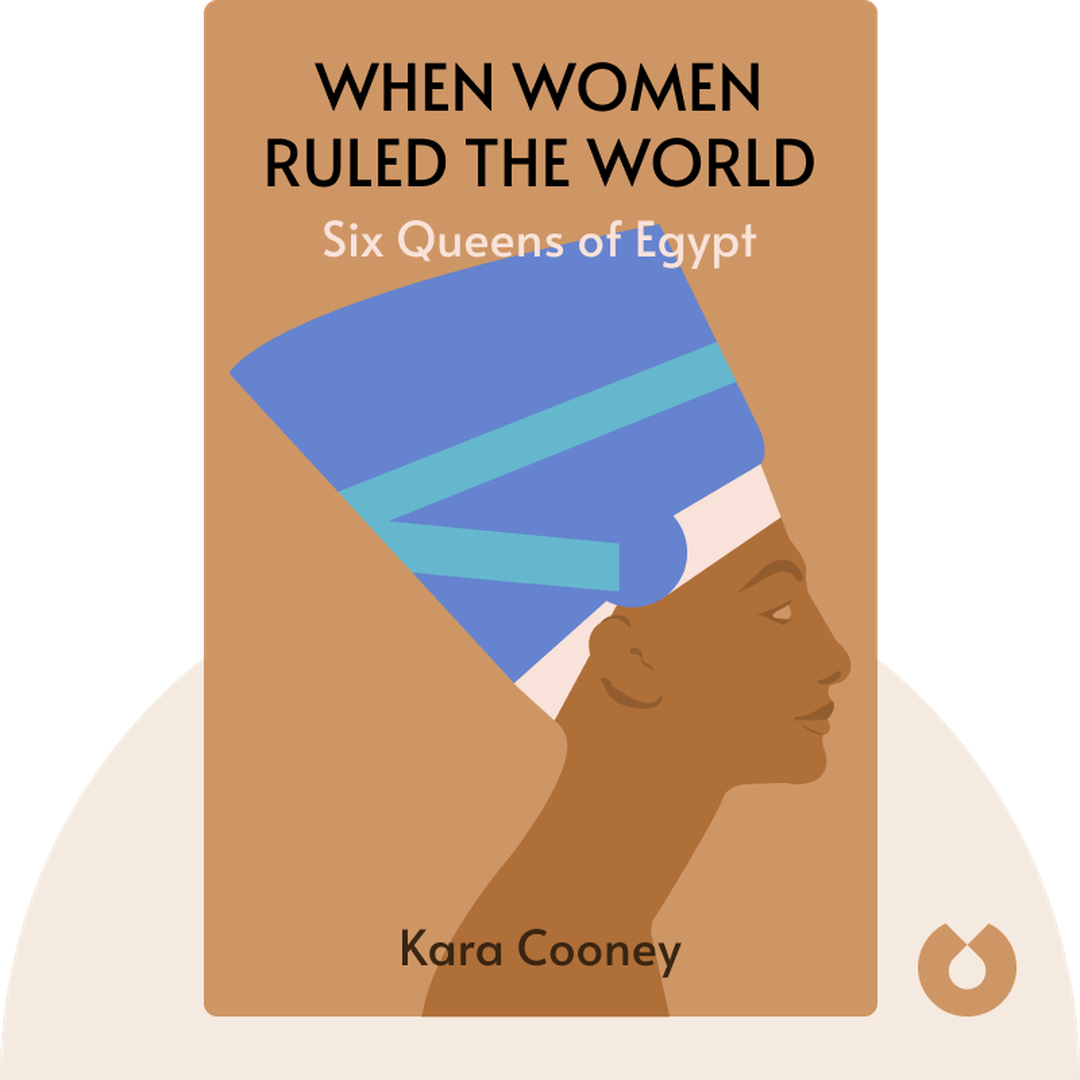
When Women Ruled the World
Start ListeningDownload Try free on iPhoneScan to start in 5 seconds
Categories:
If You're Curious About These Questions...
You should listen to this audiobook
- Did you know that ancient Egypt turned to female leaders more frequently than almost any other civilization in history, but often for reasons that might surprise you?
- Have you ever wondered why some of the most powerful women in the ancient world were strategically chosen to protect a system that was originally designed to keep them out?
- What if the hidden stories of Egypt’s six most influential queens hold the secret to understanding the unique challenges that female leaders still face today?
Listen to When Women Ruled the World — Free Audiobook
Loading player...
Key Takeaways from When Women Ruled the World
- Discover how ancient Egypt repeatedly turned to female leaders during times of political crisis to maintain peace, stability, and the continuity of royal dynasties.
- Understand the ancient Egyptian system of divine kingship and how the mythological goddess Isis empowered royal women to protect the throne.
- Learn how Egypt's first female leader, Queen Merneith, ruthlessly utilized ritual human sacrifice to eliminate potential challengers and secure power for her infant son.
- Find out why royal families relied on incestuous marriages to consolidate wealth, and how the resulting sterility created the succession crises that allowed women to step into power.
- Explore the rise of Neferusobek, who shattered ancient glass ceilings to become Egypt's first official female king when a lack of male heirs threatened the nation's stability.
Learning Tools
Reinforce what you learned from When Women Ruled the World
Mind Map
When Women Ruled the World
Ancient Egyptian Power Dynamics+
Merneith (Dynasty 1)+
Neferusobek+
Hatshepsut (Dynasty 18)+
Nefertiti (Dynasty 18)+
Tawosret (Dynasties 19-20)+
Cleopatra (Ptolemaic Dynasty)+
Modern Lessons on Leadership+
Quiz — Test Your Understanding
Question 1 of 8
According to the text, what was the primary reason ancient Egypt repeatedly allowed women to take power?
Question 2 of 8
How did Queen Merneith ensure a smooth transition of power and eliminate potential challengers to her toddler son, Den?
Question 3 of 8
What was the primary hidden cost of the Egyptian royal family's practice of incest, which ultimately led to Neferusobek taking the throne?
Question 4 of 8
Despite Hatshepsut's highly successful and prosperous reign of over two decades, what happened to her legacy shortly after her death?
Question 5 of 8
How did Nefertiti respond to the religious and economic crisis caused by her husband Akhenaten's radical shift to worshiping the sun god Aten?
Question 6 of 8
What distinction does Queen Tawosret hold among ancient Egypt's female leaders?
Question 7 of 8
How did Cleopatra attempt to build and consolidate Egypt's power during her reign?
Question 8 of 8
What modern lesson does the author draw from the historical reigns of Egypt's female leaders?
When Women Ruled the World — Full Chapter Overview
- 1Recommendation
- 2During crises, ancient Egypt consistently turned to women to govern the entire nation effectively.
- 3Queen Merneith governed for her son, securing authority through ritual sacrifice practices.
- 4Neferusobek rose as Egypt’s first female king – averting an inbreeding-fueled succession crisis that threatened stability.
- 5Reigning over Egypt for more than two decades, Hatshepsut became history’s most influential female king.
- 6Recasting herself as male, Nefertiti ascended during a religious upheaval sparked by her husband and seized authority.
- 7Tawosret seized the throne by force, becoming the first woman to rule Egypt alone.
- 8Cleopatra, a master tactician, leveraged her ties with Roman statesmen to expand Egypt’s power and influence.
- 9As the Egyptians did millennia ago, we too should learn to embrace female leadership today.
When Women Ruled the World Summary & Overview
Ancient Egypt is a historical anomaly: the Egyptians called upon women to lead their country more frequently than any other culture. Tracing their rise to power within the authoritarian system of divine kingship, When Women Ruled the World (2018) tells the stories of Egypt’s six most important female leaders – Merneith, Neferusobek, Hatshepsut, Nefertiti, Tawosret and Cleopatra – and explores what lessons they hold about female leadership for us today.
Who Should Listen to When Women Ruled the World?
- Folks who are interested in the history of female leadership
- Women who want to be inspired by female trailblazers of the past
- History buffs who want to learn more about life and death in ancient Egypt
Books Similar to When Women Ruled the World
Readers who enjoyed this also liked these titles.