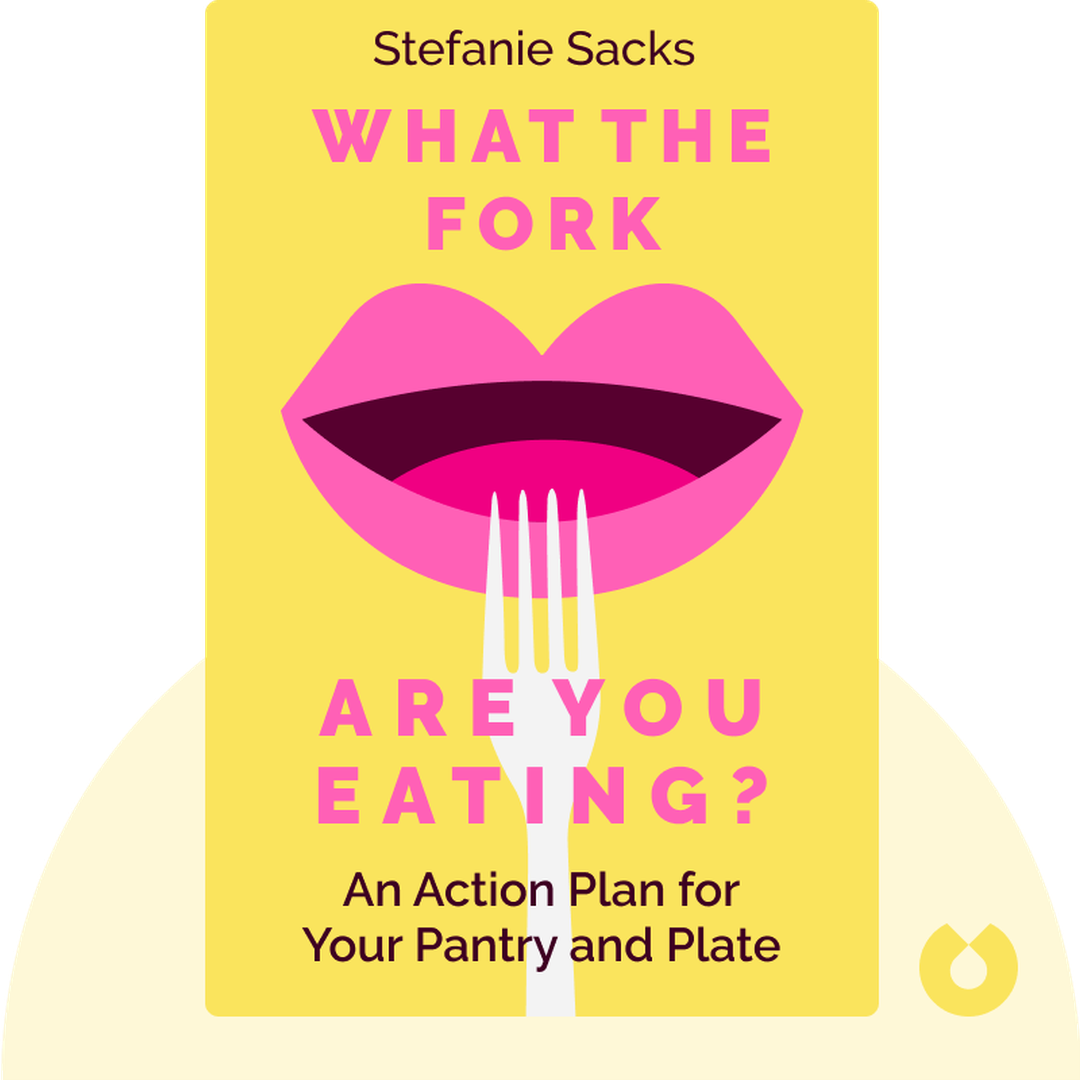
What the Fork Are You Eating?
Start ListeningDownload Try free on iPhoneScan to start in 5 seconds
Categories:
If You're Curious About These Questions...
You should listen to this audiobook
- Did you know that some of the most common ingredients in your pantry could be secretly impacting your mood and long-term health?
- Have you ever wondered what’s really hiding behind the confusing labels and 'natural' claims on your favorite foods?
- What if you could transform your health simply by learning how to decode the food industry’s hidden language?
Listen to What the Fork Are You Eating? — Free Audiobook
Loading player...
Key Takeaways from What the Fork Are You Eating?
- Understand why government food safety regulations often fail to protect consumers from harmful additives due to historical loopholes like the 'Generally Recognized as Safe' (GRAS) classification.
- Discover the disturbing reality behind lab-created artificial flavors and petroleum-based food dyes, which are banned in other countries but still heavily used in the United States.
- Learn how common chemical preservatives can react with vitamins to form dangerous, cancer-linked compounds, proving the critical importance of reading product ingredient lists.
- Find out why heavily processed sugars and oil-based artificial sweeteners pose serious health risks, and how to easily substitute them with safer, less-processed options like maple syrup.
- Recognize the hidden threats of indirect additives like pesticides and antibiotics that linger on your produce, especially since safety tests are often conducted by the chemical producers themselves.
Learning Tools
Reinforce what you learned from What the Fork Are You Eating?
Mind Map
What the Fork Are You Eating?
Regulatory Failures+
Hidden Flavors & Colors+
Preservatives & Sweeteners+
Pesticides & Hormones+
Deceptive Packaging+
Habit Transformation+
Quiz — Test Your Understanding
Question 1 of 8
Why are some potentially harmful additives like MSG classified as 'Generally Recognized As Safe' (GRAS) by the US government?
Question 2 of 8
What is the primary difference between natural and artificial flavorings according to the text?
Question 3 of 8
What potential danger arises when sodium benzoate, a preservative, is combined with a beverage containing vitamin C?
Question 4 of 8
Why does the author suggest questioning the safety tests conducted on agricultural pesticides?
Question 5 of 8
Why can nutritional claims on packaging, such as calorie counts, be misleading for the average consumer?
Question 6 of 8
Which of the following packaging claims is considered a clearly regulated label rather than an unverifiable marketing ploy?
Question 7 of 8
What does the author recommend you do with the unhealthy pantry foods you decide to swap out for healthier alternatives?
Question 8 of 8
How does the author suggest using a food journal to improve your diet?
What the Fork Are You Eating? — Full Chapter Overview
- 1Recommendation
- 2Government rules on harmful food additives have long proven ineffective.
- 3A lot of additives come in flavors and in colors.
- 4Additives employed to preserve or sweeten processed foods can be potentially quite harmful also.
- 5Many farms use risky additives like pesticides and hormones to raise production and profits.
- 6Be cautious of product packaging claims; many exaggerate or deliberately aim to mislead consumers.
- 7Begin a new, healthier you by systematically trading bad foods for better alternatives.
- 8Consider keeping a food journal to understand bad habits better and plan precisely how to break them for good permanently.
What the Fork Are You Eating? Summary & Overview
What the Fork Are You Eating? (2014) reveals the hidden ingredients in the food you eat every day and the problematic effects they can have on your body and mind. These blinks give you a plan on how to change your relationship with food and become healthier by eating better and more consciously.
Who Should Listen to What the Fork Are You Eating??
- People wanting to improve their diet
- Anyone interested in food and health issues
- Anyone interested how the food industry works
Books Similar to What the Fork Are You Eating?
Readers who enjoyed this also liked these titles.