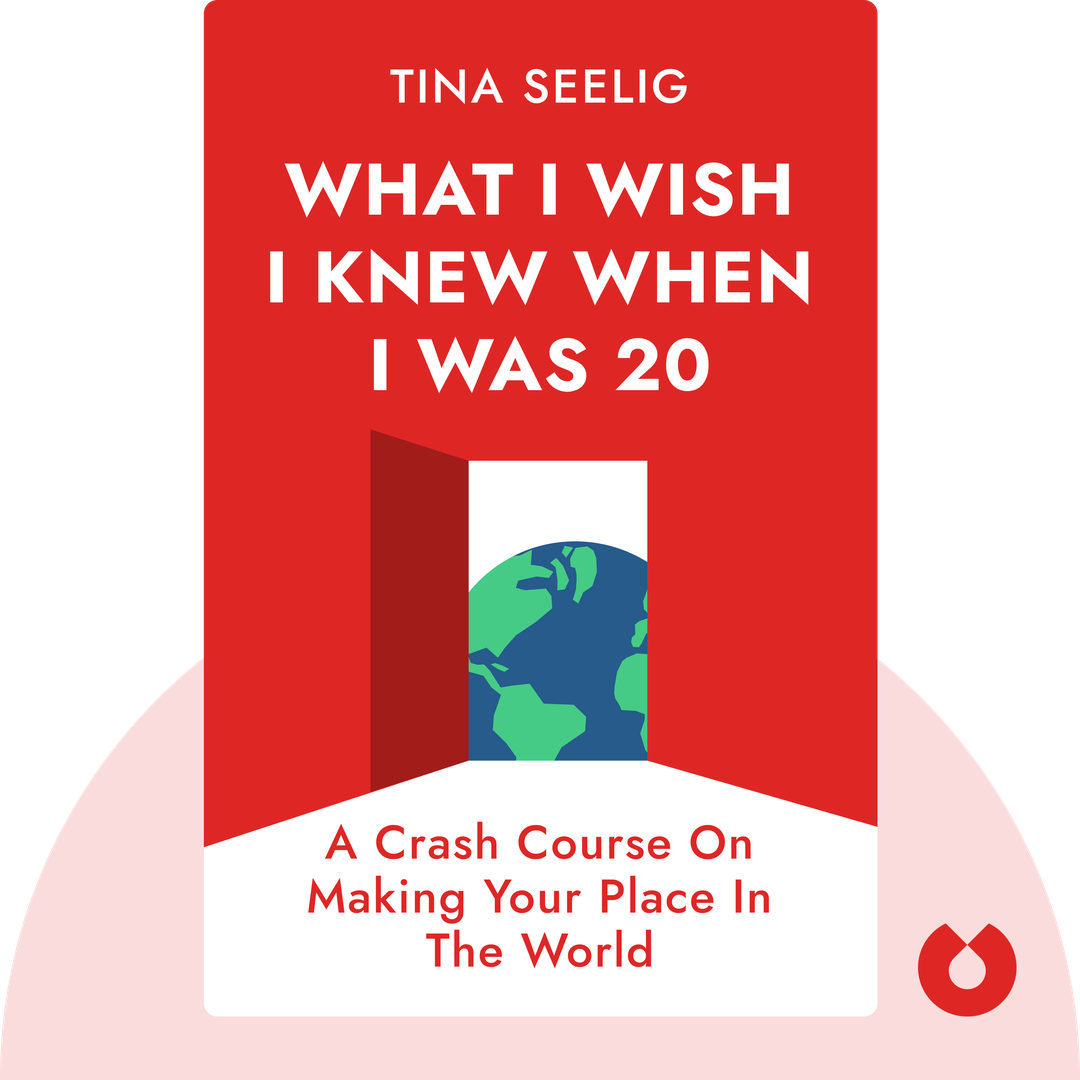
What I Wish I Knew When I Was 20
Start ListeningDownload Try free on iPhoneScan to start in 5 seconds
Categories:
If You're Curious About These Questions...
You should listen to this audiobook
- Did you know that a simple five-dollar bill can be transformed into hundreds of dollars in just two hours—if you stop following the traditional rules of business?
- Have you ever wondered why the world’s most successful innovators keep a 'failure resume' alongside their professional one?
- What if you could learn the secret to 'manufacturing' your own luck and spotting life-changing opportunities that others completely overlook?
Listen to What I Wish I Knew When I Was 20 — Free Audiobook
Loading player...
Key Takeaways from What I Wish I Knew When I Was 20
- Learn how to transform initial setbacks into massive opportunities by leaning into problems and repurposing flawed ideas.
- Discover the power of 'need finding' and why deeply analyzing user frustrations is more important than rushing to find a solution.
- Find out how to overcome 'problem blindness' by auditing your daily routines to uncover hidden market needs and fresh perspectives.
- Understand why embracing failure is a mandatory step for growth, and how staying solely within your comfort zone prevents true innovation.
- Master the art of strategic quitting by recognizing when to walk away from stagnant projects while extracting valuable data from every misstep.
Learning Tools
Reinforce what you learned from What I Wish I Knew When I Was 20
Mind Map
What I Wish I Knew When I Was 20
Embrace Problems+
Don't Fear Failure+
Make Passion Your Starting Point+
Work Hard at Getting Lucky+
Be a Mensch+
Quiz — Test Your Understanding
Question 1 of 6
What is 'need finding' in the context of tackling problems?
Question 2 of 6
How do societal views on failure affect innovation, according to the text?
Question 3 of 6
Why does the author argue that 'Follow your passion' is incomplete advice for building a career?
Question 4 of 6
What is the underlying truth about 'good luck' and success, as described in the book?
Question 5 of 6
What analogy does the author use to illustrate the importance of safeguarding your reputation?
Question 6 of 6
According to the text, what are the essential elements of a sincere apology?
What I Wish I Knew When I Was 20 — Full Chapter Overview
- 1Recommendation
- 2Embrace challenges
- 3Don't dread failure
- 4Make passion your launch point
- 5Work hard to get lucky
- 6Be a mensch
What I Wish I Knew When I Was 20 Summary & Overview
What I Wish I Knew When I Was 20 (2009) brings together a Stanford professor’s best advice for 20-somethings trying to find their place in the adult world. It tackles the typical questions young people have about decision-making, creativity, leadership, resilience, and relationships.
Who Should Listen to What I Wish I Knew When I Was 20?
- Twenty-somethings wondering how to make their way in the world
- New graduates who want to make their next steps count
- Anyone eager for a fresh start
Books Similar to What I Wish I Knew When I Was 20
Readers who enjoyed this also liked these titles.