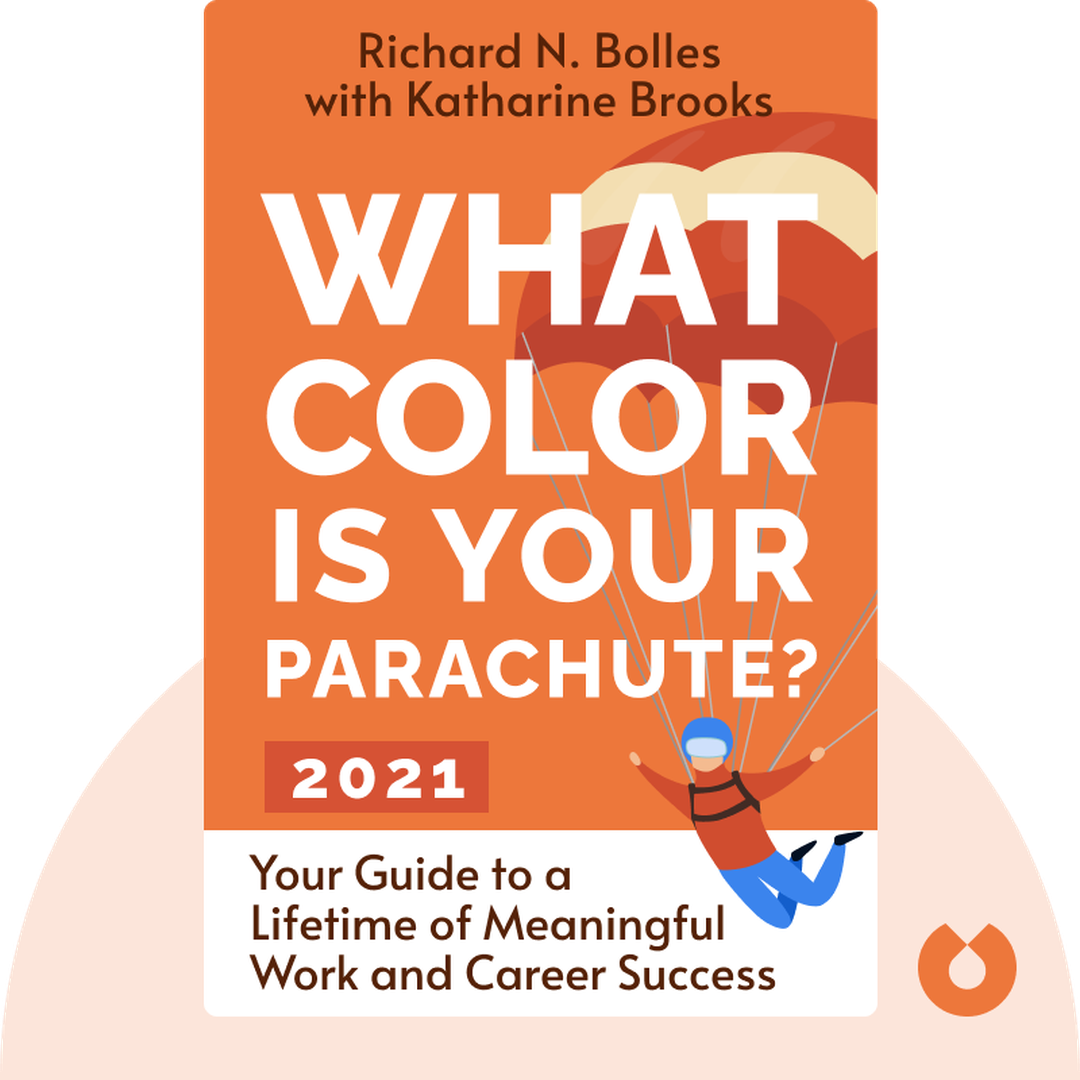
What Color Is Your Parachute? 2021
Start ListeningDownload Try free on iPhoneScan to start in 5 seconds
Categories:
If You're Curious About These Questions...
You should listen to this audiobook
- What if you could bypass the endless cycle of online applications and tap into the "hidden" job market where the best roles are actually found?
- Are you curious about the one simple exercise that can reveal your dream career by looking at your life like a blooming flower?
- Did you know that the most successful job hunters don't just look for openings, but instead focus on identifying the specific problems they are uniquely qualified to solve?
Listen to What Color Is Your Parachute? 2021 — Free Audiobook
Loading player...
Key Takeaways from What Color Is Your Parachute? 2021
- Understand why taking a blanket approach to submitting resumes fails, and learn how to proactively tailor your job search to an employer's specific needs.
- Discover how prospective employers actually vet candidates in today's digital age, including why they review your social media profiles before you even apply.
- Learn how to define your ultimate career objectives using the 'Flower Exercise,' a unique self-inventory tool that maps out your ideal working conditions.
- Master the strategy of identifying your hidden transferable skills by analyzing detailed personal stories of your past accomplishments.
- Find out how to leverage the Holland Code to pinpoint the specific workplace social environments and collaborative cultures where you will truly thrive.
Learning Tools
Reinforce what you learned from What Color Is Your Parachute? 2021
Mind Map
What Color Is Your Parachute? 2021
Employer Mindset+
The Flower Exercise+
Mastering Resumes+
Interview Strategies+
Salary Negotiation+
Creating Your Dream Job+
Quiz — Test Your Understanding
Question 1 of 9
According to the book, what is a primary reason job-hunters and employers are often out of sync during the hiring process?
Question 2 of 9
In the Flower Exercise, what framework is used for the first petal to help identify the social workplace contexts you thrive in?
Question 3 of 9
How does the book suggest you identify your transferable skills for the third petal of the Flower Exercise?
Question 4 of 9
What does the author mean by stating that contemporary job-seekers possess 'two résumés'?
Question 5 of 9
When an interviewer asks the conventional question, 'Tell me about yourself,' what are they actually trying to find out?
Question 6 of 9
Which of the following is a key rule for salary negotiation recommended in the book?
Question 7 of 9
What does it mean to 'hack your proposed salary range' during negotiations?
Question 8 of 9
If you decide to create your own dream job, what does the 'C' represent in the equation A - B = C?
Question 9 of 9
What is the primary purpose of conducting an 'informational interview' according to the actionable advice?
What Color Is Your Parachute? 2021 — Full Chapter Overview
- 1Recommendation
- 2Want to get hired? Start thinking like an employer.
- 3Define your career goals with a self-inventory.
- 4Completing the Flower Exercise clarifies the kind of job you want.
- 5A strong paper résumé is only half the story.
- 6Review simple strategies for succeeding in interviews.
- 7Be strategic about your salary negotiations.
- 8If you can’t find your dream job, create one!
- 9Final summary
What Color Is Your Parachute? 2021 Summary & Overview
What Color Is Your Parachute? 2021 (2021) is a fresh edition of a book that’s widely regarded as the job-hunter’s bible. It’s packed with classic exercises and time-tested strategies that empower prospective employees to find, and secure, the role they want. This new edition contains essential updates that speak to the contemporary job market.
Who Should Listen to What Color Is Your Parachute? 2021?
- Job-seekers wondering if they’ll ever land a coveted role
- Fed-up employees who are ready to take on a new career challenge
- Prospective entrepreneurs who need a kick start
Books Similar to What Color Is Your Parachute? 2021
Readers who enjoyed this also liked these titles.