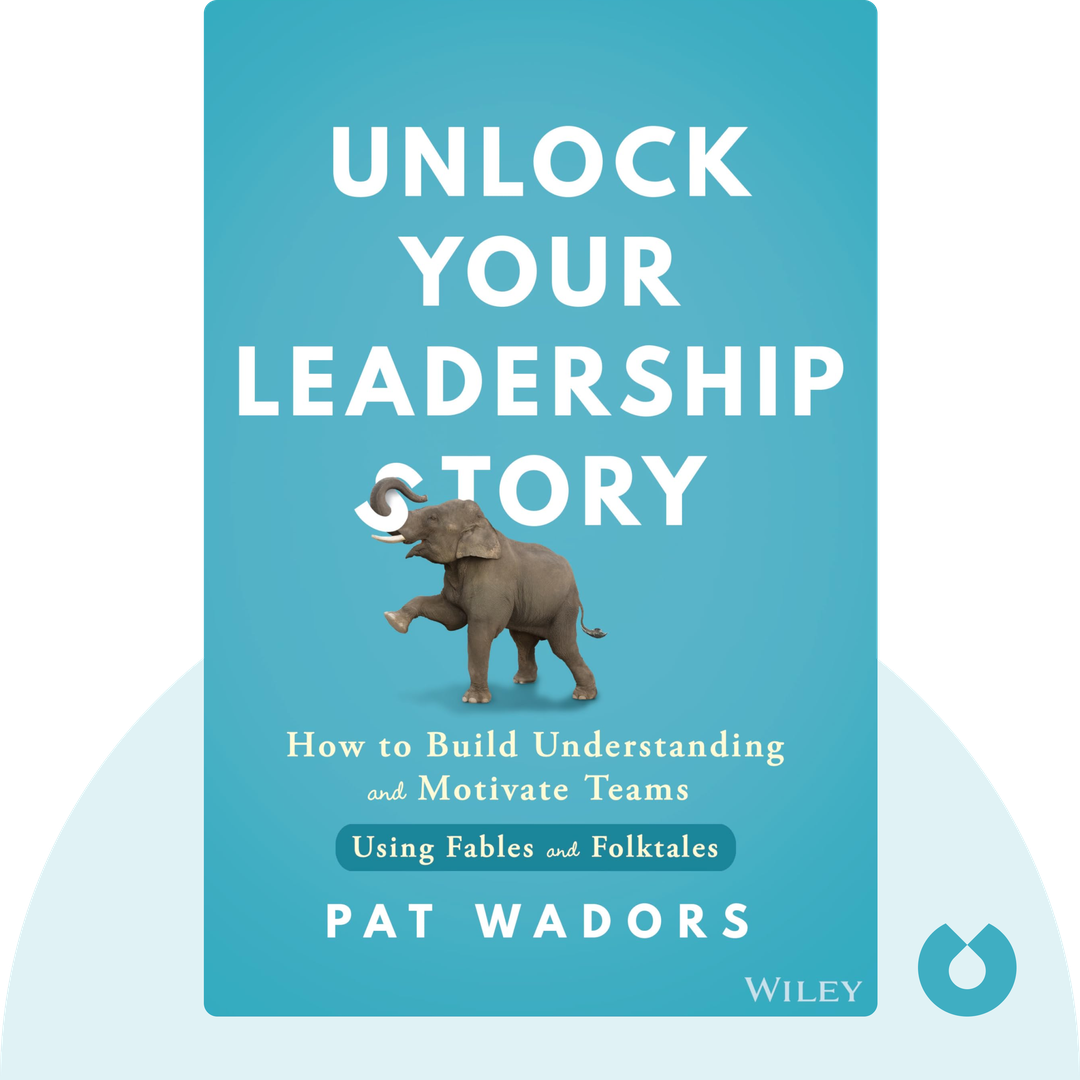
Unlock Your Leadership Story
Start ListeningDownload Try free on iPhoneScan to start in 5 seconds
Categories:
If You're Curious About These Questions...
You should listen to this audiobook
- Have you ever wondered why ancient fables and folktales might hold the hidden key to solving your most complex modern leadership challenges?
- What if you could transform your personal vulnerabilities and past struggles into a powerful narrative that builds instant trust and connection with your team?
- Are you curious about the secret to crafting a unique 'leadership story' that doesn't just manage people, but truly inspires them toward peak performance?
Listen to Unlock Your Leadership Story — Free Audiobook
Loading player...
Key Takeaways from Unlock Your Leadership Story
- Uncover how to transform your personal journey into a compelling leadership narrative that authentically inspires and unites your team.
- Learn why embracing diverse perspectives pieces together the 'whole elephant,' enabling you to make smarter, more comprehensive decisions at work and home.
- Discover how to navigate a non-linear career path by exploring different experiences and tracking your energy levels to find your perfect fit.
- Master the art of building a resilient foundation for success by setting SMART targets and breaking them down into manageable, consistent daily tasks.
- Find out how to create a personal scorecard based on your unique values to guide your decision-making and measure success on your own terms.
Learning Tools
Reinforce what you learned from Unlock Your Leadership Story
Mind Map
Unlock Your Leadership Story
Core Premise+
Embrace Different Views+
Discover Your Career Fit+
Establish Clear Targets+
Use a Personal Scorecard+
Stay Open to Feedback+
Overcome Limitations+
Live by Your Values+
Be True to Yourself+
Quiz — Test Your Understanding
Question 1 of 9
What is the central premise of 'Unlock Your Leadership Story' regarding effective leadership?
Question 2 of 9
According to the story of the blind men and the elephant, what is the key to making better decisions at work?
Question 3 of 9
How does the author suggest you approach finding the right career path, drawing from the story of Goldilocks?
Question 4 of 9
In the context of the three little pigs, what is essential for reaching meaningful goals besides having a clear plan?
Question 5 of 9
What is the primary purpose of creating a 'personal scorecard' as compared to the tortoise's strategy?
Question 6 of 9
Why is it often difficult for leaders to absorb feedback, according to the text?
Question 7 of 9
What is an example of a 'proactive creative constraint' as described in the story of the thirsty crow?
Question 8 of 9
What lesson does the story of the boiling frog teach about personal values?
Question 9 of 9
What does the term 'covering' refer to in the workplace, as related to the story of Mulan?
Unlock Your Leadership Story — Full Chapter Overview
- 1Recommendation
- 2Embrace diverse views
- 3Find the career that fits you best
- 4Set clear targets
- 5Ground your decisions in your personal scorecard
- 6Remain open to feedback
- 7Overcome self-imposed limits
- 8Live by your values at all times
- 9Stay true to yourself
Unlock Your Leadership Story Summary & Overview
Unlock Your Leadership Story (2024) explores how fables and folktales can offer valuable insights into modern leadership challenges. By encouraging leaders to reflect on their unique experiences, values, and struggles, it demonstrates how authentic storytelling can build trust, deepen connections, and amplify influence. Through actionable strategies and techniques, you’ll be able to transform your own personal narratives into powerful tools for inspiration, motivation, and lasting growth.
Who Should Listen to Unlock Your Leadership Story?
- Human resources professionals developing workplace talent
- Project and team leaders managing groups of people
- Sales managers helping their teams reach peak performance
Books Similar to Unlock Your Leadership Story
Readers who enjoyed this also liked these titles.