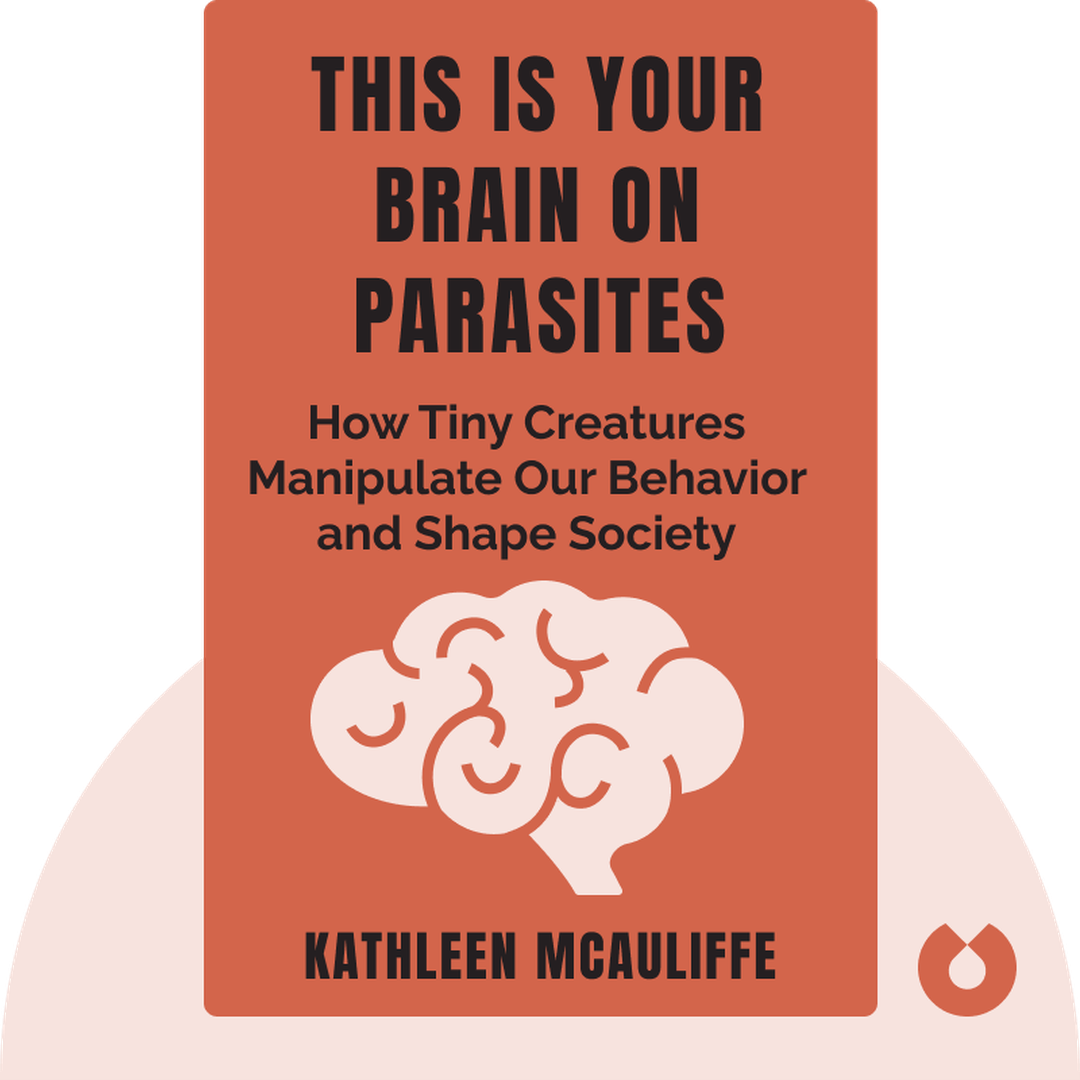
This Is Your Brain on Parasites
Start ListeningDownload Try free on iPhoneScan to start in 5 seconds
Categories:
If You're Curious About These Questions...
You should listen to this audiobook
- Did you know that the microscopic organisms living inside you might be secretly pulling the strings of your personality and emotions?
- Have you ever wondered if your cultural traditions and social behaviors were actually shaped by the survival needs of parasites?
- Are you curious about the hidden forces driving human evolution that challenge everything we thought we knew about free will?
Listen to This Is Your Brain on Parasites — Free Audiobook
Loading player...
Key Takeaways from This Is Your Brain on Parasites
- Learn how the ancient, invisible war between humans and microscopic parasites has profoundly shaped our physical evolution, bodily defenses, and world history.
- Discover how clever parasites alter their hosts' behavior to survive, such as the Guinea worm manipulating humans into soothing a burning blister in water just to release its eggs.
- Understand the real-world existence of zombies by learning how the jewel wasp performs chemical neurosurgery on cockroaches to gain total control over their movements.
- Find out how parasitic worms like Toxocara can migrate into the human brain, leading to significantly reduced cognitive capacities and lower IQ scores in infected children.
- Explore why your gut is considered your 'second brain' and how its massive population of natural bacteria actively regulates your emotions by releasing serotonin and dopamine.
Learning Tools
Reinforce what you learned from This Is Your Brain on Parasites
Mind Map
This Is Your Brain on Parasites
The Microscopic War+
Host Manipulation+
The Second Brain (Gut Microbiome)+
Cultural Evolution+
Quiz — Test Your Understanding
Question 1 of 6
What is one of the primary reasons parasites have been so successful in their microscopic war against humans?
Question 2 of 6
How does the Guinea worm manipulate human behavior to ensure its reproductive cycle is completed?
Question 3 of 6
How does the jewel wasp turn a cockroach into a helpless 'zombie'?
Question 4 of 6
According to a 2012 US study, what impact does the Toxocara roundworm have on infected children and teenagers?
Question 5 of 6
What did the 2013 UCLA study involving probiotic yogurt and MRI scans suggest about the human body?
Question 6 of 6
According to researchers at the University of New Mexico, how might the high prevalence of parasitic infections near the equator have influenced local human cultures?
This Is Your Brain on Parasites — Full Chapter Overview
- 1Recommendation
- 2Humans have been fighting a microscopic foe for millennia.
- 3Parasites modify the behavior of their hosts to benefit themselves.
- 4Parasites are capable of controlling the brains of other creatures.
- 5Our intestines harbor a vast array of bacteria that influence how we feel.
- 6Humans have reshaped their culture and habits to steer clear of parasites.
This Is Your Brain on Parasites Summary & Overview
This Is Your Brain on Parasites (2016) is about the microscopic organisms that live inside us. They sometimes make us sick and, more surprisingly, they drive human evolution in a variety of ways. These blinks explain how parasites can guide personalities, emotions and even culture.
Who Should Listen to This Is Your Brain on Parasites?
- Psychologists and doctors, and students of either field
- Anyone interested in free will
- People interested in human behavior
Books Similar to This Is Your Brain on Parasites
Readers who enjoyed this also liked these titles.