If You're Curious About These Questions...
You should listen to this audiobook
- What's the secret to unlocking women's unique brain chemistry to prevent Alzheimer's disease?
- Are you curious about why women are more likely to suffer from Alzheimer's than men, and what you can do about it?
- What if you could take control of your brain health and reduce your risk of Alzheimer's by making simple lifestyle changes?
Listen to The XX Brain — Free Audiobook
Loading player...
Key Takeaways from The XX Brain
- Understand how male-dominated medical research and 'bikini medicine' have created a crisis in women's health, leaving women significantly more vulnerable to Alzheimer's and misdiagnoses.
- Discover why the hormone estrogen acts as a 'master regulator' for the brain, and how its sharp decline during menopause directly increases the risk of dementia.
- Learn why Alzheimer's is neither an inevitable part of aging nor strictly hereditary, and how you can prevent at least one-third of cases through improved lifestyle choices.
- Find out the truth behind dangerous medical myths, including the false assumption that women suffer more from Alzheimer's simply because they live longer than men.
- Master practical, preventative strategies—such as engaging in moderate exercise and learning a musical instrument—to successfully manage hormonal transitions and safeguard your brain at any age.
Learning Tools
Reinforce what you learned from The XX Brain
Mind Map
The XX Brain
The Women's Brain Health Crisis+
The Power of Hormones+
Identifying Risk Factors+
The Prevention Toolkit+
Quiz — Test Your Understanding
Question 1 of 10
What does the term 'bikini medicine' refer to in the context of women's healthcare?
Question 2 of 10
Which of the following is a common myth about why women develop Alzheimer’s more frequently than men, which the book explicitly debunks?
Question 3 of 10
How does the hormonal transition of menopause specifically impact a woman's brain health?
Question 4 of 10
According to the book, what percentage of Alzheimer's cases are caused by a rare genetic mutation?
Question 5 of 10
Why does the author suggest that Menopause Hormone Therapy (MHT) shouldn't be entirely ruled out despite the alarming results of a 2003 clinical trial?
Question 6 of 10
According to the book, what is the most effective dietary approach for optimizing brain health?
Question 7 of 10
Why does the author recommend low-to-moderate intensity exercise over high-intensity workouts, particularly for post-menopausal women?
Question 8 of 10
What natural food source does the author recommend eating before bed to help improve sleep quality due to its high melatonin content?
Question 9 of 10
How does engaging in intellectually stimulating activities, like learning a new instrument or language, protect the brain?
Question 10 of 10
What simple morning habit does the author recommend to potentially improve brain function by up to 30 percent?
The XX Brain — Full Chapter Overview
- 1Recommendation
- 2Women’s health is in crisis due to inequality in medicine.
- 3Hormonal shifts like menopause can radically affect brain health.
- 4Alzheimer’s isn’t a natural part of aging or always hereditary – it’s often preventable.
- 5To assess your Alzheimer’s risk, look at your overall health.
- 6Menopause hormone therapy has critics, but we shouldn’t dismiss it.
- 7A balanced, nutritious diet is key to optimizing brain health.
- 8Regular, low-intensity exercise is essential for brain health. And as you age, slower is better.
- 9It’s time to address the stress epidemic harming women’s health.
- 10Intellectual stimulation helps your brain thrive.
- 11Final summary
The XX Brain Summary & Overview
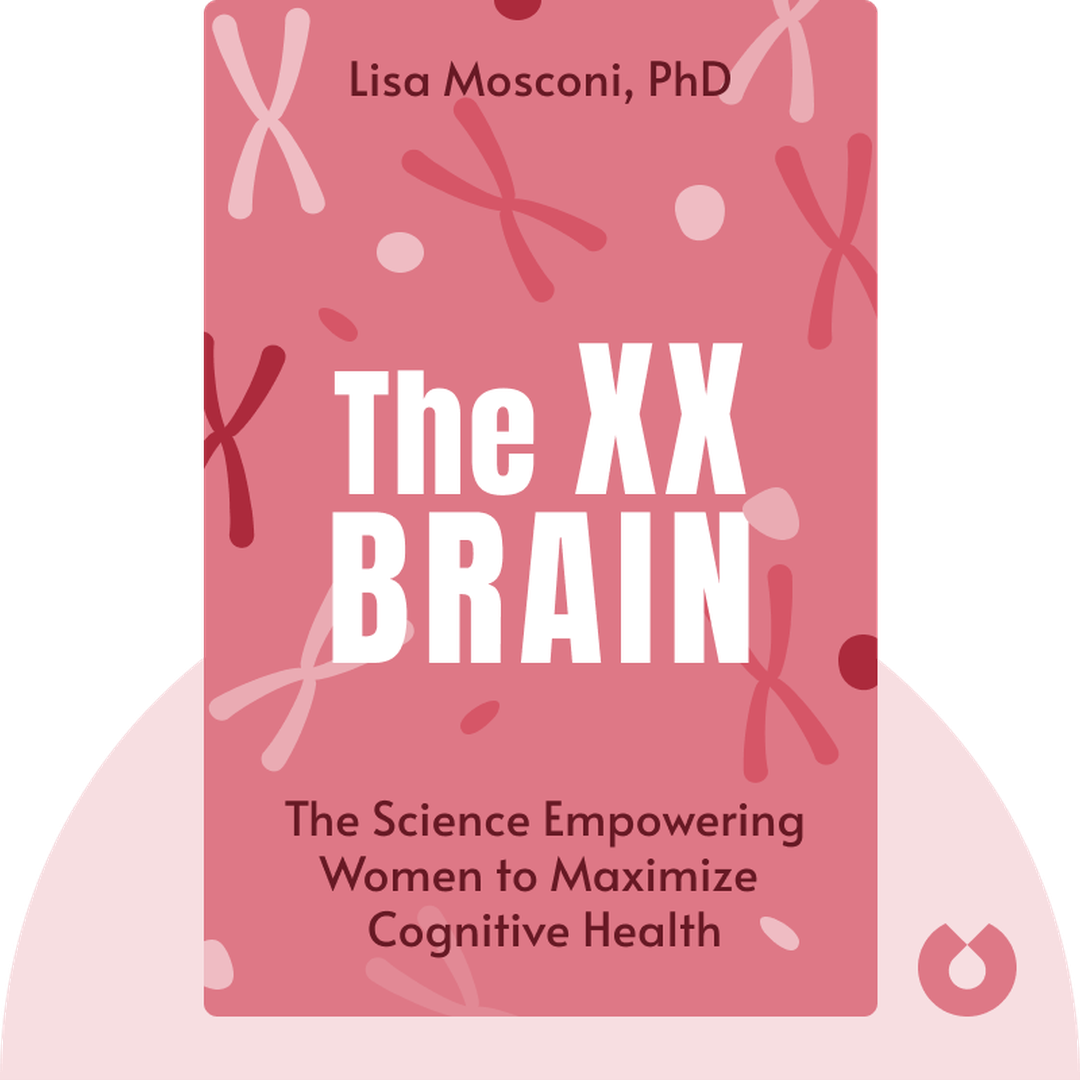
The XX Brain (2020) is a practical guide to improving women’s brain health and preventing Alzheimer’s disease. Women are suffering from an Alzheimer’s epidemic, but so far the medical industry isn’t doing much about it. The XX Brain shows you how to take your health into your own hands, demand the medical treatment you deserve, and take concrete steps to help prevent the onset of Alzheimer’s.
Who Should Listen to The XX Brain?
- Women looking to proactively protect their brains from disease
- Women who are forgetful and would like more mental clarity
- Health professionals wanting to improve their approach to women’s healthcare
Books Similar to The XX Brain
Readers who enjoyed this also liked these titles.