If You're Curious About These Questions...
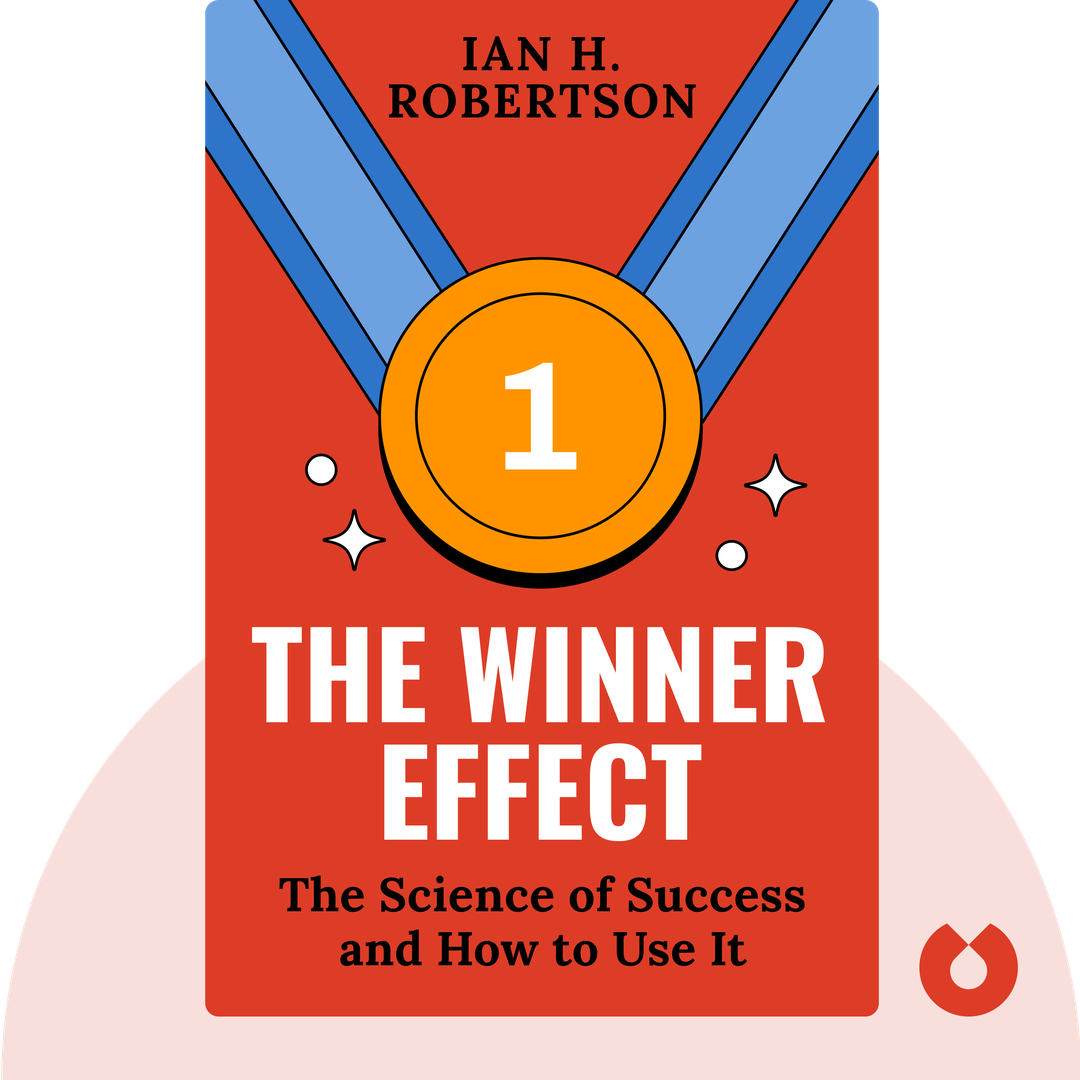
You should listen to this audiobook
- Did you know that winning a single competition can physically change your brain's chemistry, making you significantly more likely to win again?
- Have you ever wondered why power acts like a drug on the human mind, and how the world's most successful leaders manage to stay grounded?
- What if you could unlock the specific biological and psychological triggers that turn simple persistence into an unstoppable 'winner effect'?
Listen to The Winner Effect — Free Audiobook
Loading player...
Key Takeaways from The Winner Effect
- Discover why intrinsic achievement motivation and relentless grit outweigh genetic fatalism in determining your ultimate success.
- Learn how to avoid the paradox of success by setting realistic, clearly defined goals rather than relentlessly chasing ever-expanding milestones.
- Master the mindset of a winner by valuing continuous effort and praising the journey over relying on inherent capabilities.
- Find out how subtle environmental cues—such as adopting an expansive posture or wearing the color red—can trigger positive hormonal responses that boost your daily performance.
- Understand the powerful link between your biology and your environment to dismantle self-imposed glass ceilings and overcome unseen social prejudices.
Learning Tools
Reinforce what you learned from The Winner Effect
Mind Map
The Winner Effect
Intrinsic Motivation+
Environment & Biology+
Psychology of Power+
Need for Approval+
Quiz — Test Your Understanding
Question 1 of 6
According to the text, what is 'genetic fatalism' and why should it be rejected?
Question 2 of 6
What lesson is drawn from the story of Peter, the high-achiever who constantly chases ever-evolving career milestones?
Question 3 of 6
How do the examples of the African male cichlid fish and London traders illustrate the relationship between biology, environment, and success?
Question 4 of 6
In the context of leadership and power structures, what is the 'mum effect'?
Question 5 of 6
To what does the text compare the effects of unchecked power on a leader's mind and judgment?
Question 6 of 6
According to the text, why has the human pursuit of recognition and approval become so paramount to our mental well-being?
The Winner Effect — Full Chapter Overview
- 1Recommendation
- 2The role of achievement motivation in becoming a winner
- 3How chance and environment influence winners
- 4The psychological effects of power on leaders
- 5How the need for approval fuels the desire to win
- 6Final summary
The Winner Effect Summary & Overview
The Winner Effect (2012) reveals how intrinsic motivation and resilience can drive individuals to remarkable success. It explores the transformative power of grit and the nuanced influences of power, offering insights into balancing confidence and humility. Delve in and discover how your efforts and tenacity shape your destiny.
Who Should Listen to The Winner Effect?
- Aspiring leaders seeking personal growth and success
- Psychology enthusiasts exploring intrinsic motivation
- Professionals pursuing effective leadership skills
Books Similar to The Winner Effect
Readers who enjoyed this also liked these titles.