If You're Curious About These Questions...
You should listen to this audiobook
- Have you ever wondered why logic often fails during your child’s meltdowns, and what you should be doing instead to reach them?
- What if you could transform every daily conflict into a scientific opportunity to literally reshape and integrate your child’s developing brain?
- Did you know that your child has two distinct 'brains' working at once, and the secret to their emotional health lies in how you help them connect the two?
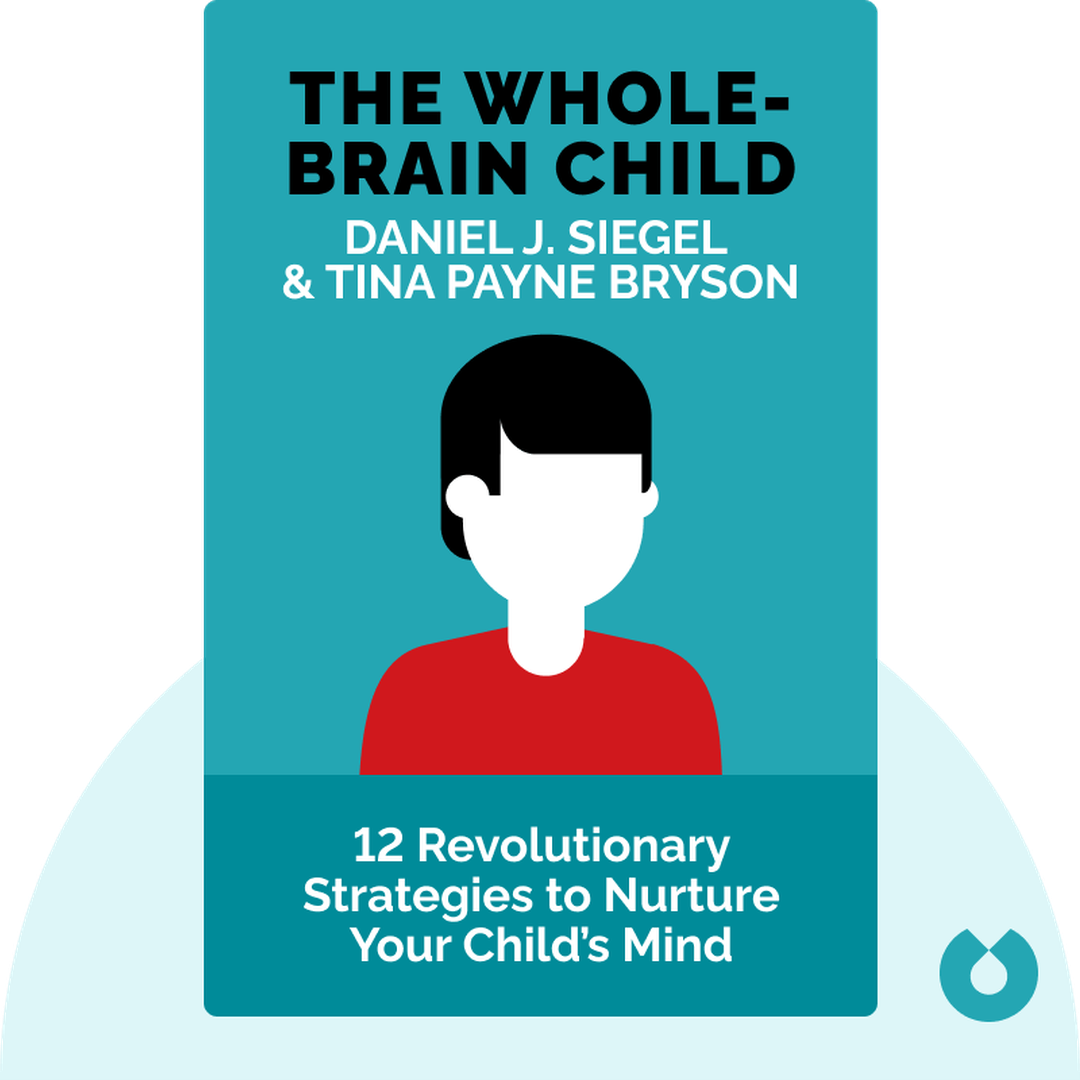
Listen to The Whole-Brain Child — Cinematic Audio Edition
Loading player...
Key Takeaways from The Whole-Brain Child
- Discover why integrating the logical left hemisphere and the emotional right hemisphere is the ultimate secret to unlocking your child's mental resilience.
- Learn how to use the 'connect and redirect' strategy to effectively calm tantrums by validating your child's feelings before introducing logical solutions.
- Understand the 'name it to tame it' technique, which leverages the power of storytelling to help children process overwhelming fears and regain emotional control.
- Master the art of engaging your child's analytical 'upstairs brain' through probing questions and choices, rather than triggering their impulsive 'downstairs brain' with strict demands.
- Find out how recognizing the difference between unconscious implicit memories and conscious explicit memories can help you guide your child's emotional growth after distressing events.
Learning Tools
Reinforce what you learned from The Whole-Brain Child
Mind Map
The Whole-Brain Child
Core Principles of Whole-Brain Parenting+
Left vs. Right Brain (Hemispheres)+
Lower vs. Higher Brain+
Managing Memories+
Mindsight and Self-Awareness+
The Social Brain+
Quiz — Test Your Understanding
Question 1 of 8
According to the text, what is the core concept behind 'whole-brain parenting'?
Question 2 of 8
Why is it typically impossible to reason with a child under the age of three?
Question 3 of 8
What is the purpose of the 'name it to tame it' strategy?
Question 4 of 8
If a child is feeling overwhelmed and stressed by homework, which strategy does the text suggest to soothe their lower brain?
Question 5 of 8
How can parents help a child who refuses to talk about a troubling memory?
Question 6 of 8
In the context of developing 'mindsight', what does the acronym SIFT stand for?
Question 7 of 8
What role do 'mirror neurons' play in a child's brain development?
Question 8 of 8
According to the final summary, what is the primary benefit of playing 'what would you do' games with a preschooler?
The Whole-Brain Child — Full Chapter Overview
- 1Recommendation
- 2Raising healthy kids means teaching them to deal with their experiences constructively.
- 3Our brains have two hemispheres that must be kept in balance.
- 4The human brain has primitive and higher functions, and you must support your child in strengthening the latter.
- 5Memories can trouble children, but you can guide them in working through their past.
- 6Our brains aren’t complete until we grasp the many aspects of who we are.
- 7The brain is a social organ, and you must foster your child’s ability to bond with others.
The Whole-Brain Child Summary & Overview
The Whole-Brain Child (2011) is a parent’s guide to understanding children’s minds. These blinks explain how to help your child integrate various aspects of his or her brain and develop into a mentally well-rounded human.
Who Should Listen to The Whole-Brain Child?
- Parents and expecting parents
- Anyone with an interest in intricacies of the human brain
- Teachers and coaches of all types
Books Similar to The Whole-Brain Child
Readers who enjoyed this also liked these titles.