If You're Curious About These Questions...
You should listen to this audiobook
- What’s the secret to balancing high-stakes short-term performance with a long-term vision without letting one compromise the other?
- Have you ever wondered why the most effective modern leaders treat authority and empathy as a complementary pair rather than a difficult choice?
- What if you could navigate constant industry disruption by mastering the five specific tensions that define successful leadership today?
Listen to The Systems Leader — Free Audiobook
Loading player...
Key Takeaways from The Systems Leader
- Discover how to become a Systems Leader capable of successfully balancing conflicting business demands, from short-term execution to long-term innovation.
- Learn how to avoid tribalism between your operations and innovation teams by building a culture that thinks and acts on multiple time horizons.
- Master the art of taking direct ownership of financial trade-offs to intelligently balance immediate budget pressures with long-term strategic bets.
- Understand why toughness and empathy are not mutually exclusive by treating employee reskilling as a profitable investment that protects institutional knowledge.
- Find out how to navigate the intense, conflicting pressures of modern business without resorting to destructive blame-shifting or short-term stunts.
Learning Tools
Reinforce what you learned from The Systems Leader
Mind Map
The Systems Leader
The Modern Leadership Crisis+
Execution vs. Innovation+
Toughness vs. Care+
Internal vs. External Focus+
Global Strategy vs. Local Nuance+
Steadiness vs. Value Testing+
Quiz — Test Your Understanding
Question 1 of 6
What is the defining characteristic of a 'Systems Leader' according to the text?
Question 2 of 6
How do Systems Leaders approach the tension between short-term execution and long-term innovation?
Question 3 of 6
How did Revathi Advaithi at Flex demonstrate the balance between driving performance and showing care for employees?
Question 4 of 6
What is the primary purpose of an 'influence map' as described in the book?
Question 5 of 6
How do Systems Leaders, like François-Henri Pinault at Kering, handle the pressure of operating globally while honoring local realities?
Question 6 of 6
According to the text, what is the key to a leader staying steady when their values are tested by intense public pressure?
The Systems Leader — Full Chapter Overview
- 1Recommendation
- 2Why leadership feels harder now than in the past
- 3How to perform today and create what arrives next
- 4How to lead with equal grit and compassion
- 5How to stay grounded and outward-facing
- 6How to think globally and operate with nuance
- 7How to remain steady when values face tests
The Systems Leader Summary & Overview
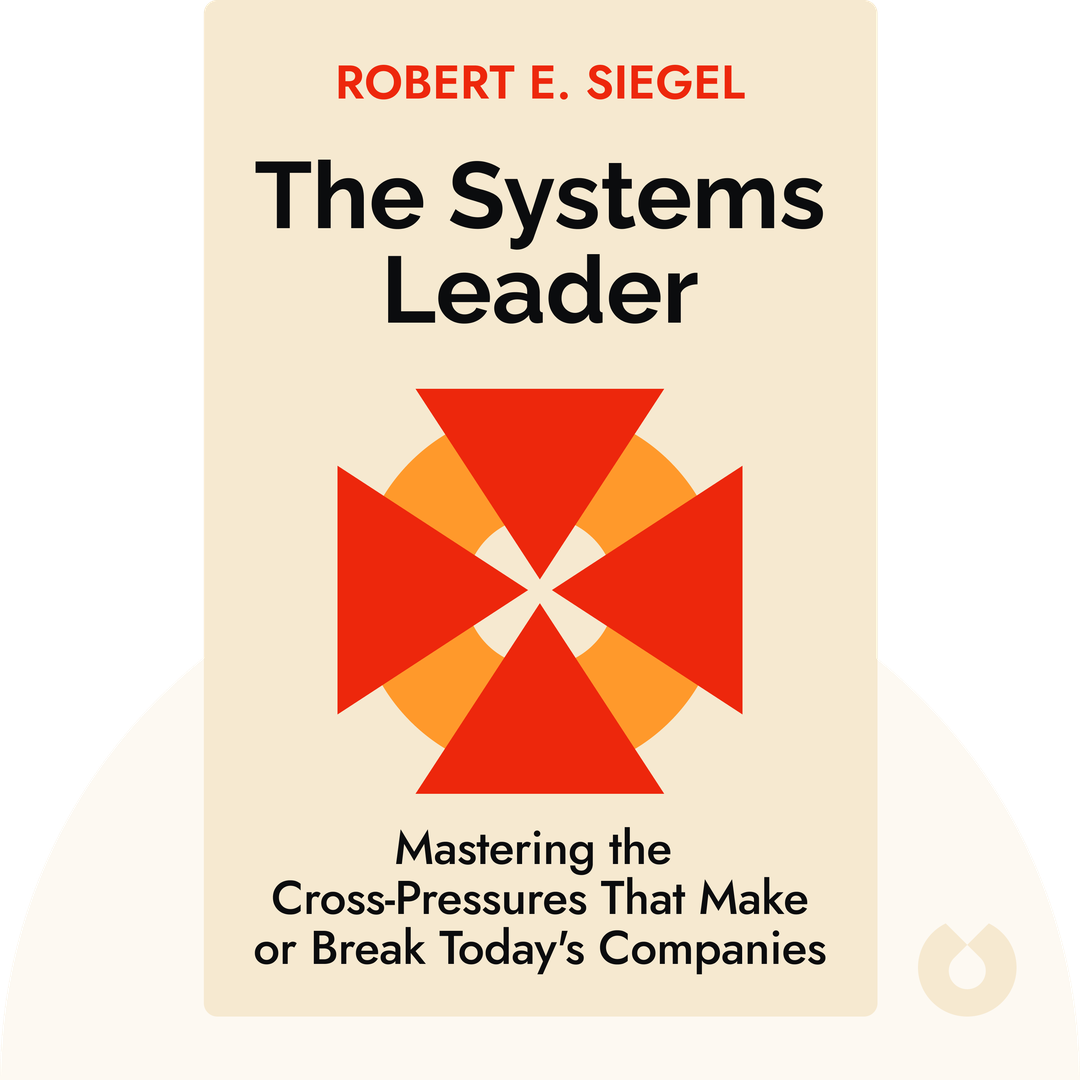
The Systems Leader (2025) explores how modern leaders can stay effective in a world of constant disruption and competing demands. It offers a practical framework for handling five tensions that show up across industries – like balancing short-term performance with long-term vision, or acting with both authority and empathy. Drawing on real-world examples, it shows you how to stay steady, think broadly, and make better decisions under pressure.
Who Should Listen to The Systems Leader?
- Executives managing pressure from multiple stakeholders
- Midlevel managers facing cross-functional leadership challenges
- Founders trying to scale responsibly and sustainably
Books Similar to The Systems Leader
Readers who enjoyed this also liked these titles.