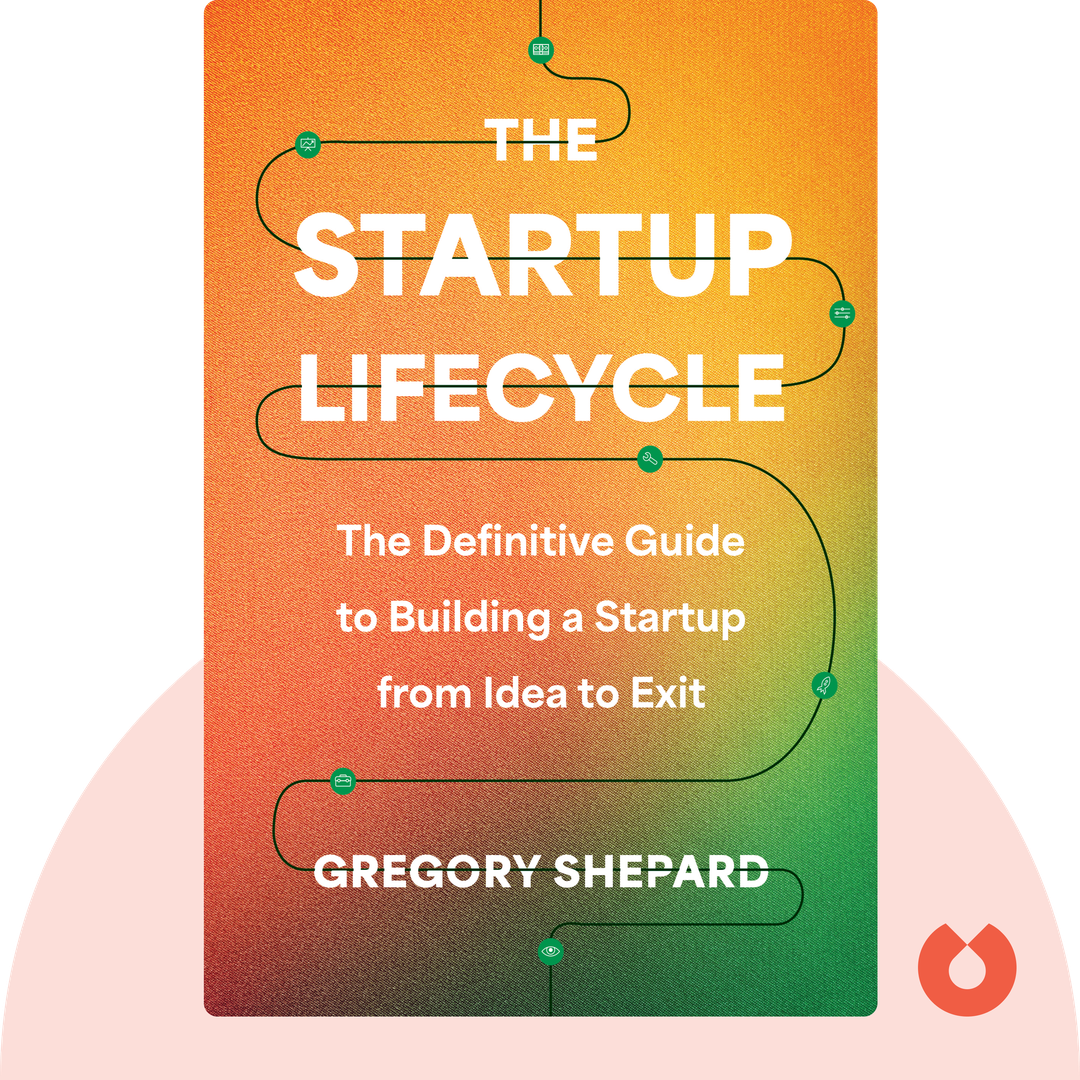
If You're Curious About These Questions...
You should listen to this audiobook
- Did you know that the secret to a multi-million dollar exit actually starts with how you structure your business during the very first phase of its lifecycle?
- What if you could eliminate the guesswork of scaling and follow a proven roadmap that ensures you're ready for high-level investment at exactly the right moment?
- Have you ever wondered why some startups skyrocket to success while others with better ideas stall out—and how you can ensure your business stays on the winning path?
Listen to The Startup Lifecycle — Cinematic Audio Edition
Loading player...
Key Takeaways from The Startup Lifecycle
- Discover how to turn personal trials into competitive advantages by applying the 'Rattlesnake Strategy' to spot hidden opportunities and act decisively.
- Understand the seven-phase Startup Science Lifecycle—from Vision to Exit—to ensure every step of your business growth is intentional and strategically aligned.
- Learn why you must plan your endgame from the very beginning by aligning your startup’s vision and Ideal Customer Profile with the specific needs of potential acquirers.
- Find out how to validate your business ideas and navigate market challenges by establishing Industry and User Advisory Boards for crucial, real-world feedback.
- Master the execution of your product launch by rigorously testing your minimum viable product and crafting a go-to-market narrative that creates an emotional connection with your audience.
Learning Tools
Reinforce what you learned from The Startup Lifecycle
Mind Map
The Startup Lifecycle
Foundation & Mindset+
Phase 1: Vision+
Phase 2: Product+
Phase 3: Go-to-Market+
Phase 4: Standardization+
Phase 5: Optimization+
Phase 6: Growth+
Phase 7: Exit+
Quiz — Test Your Understanding
Question 1 of 7
What is the core philosophy behind Gregory Shepard’s 'Rattlesnake Strategy'?
Question 2 of 7
According to the text, why is it crucial to think about potential acquirers during the initial 'Vision' phase?
Question 3 of 7
How does the author suggest startups approach 'demand generation' during the Go-To-Market phase?
Question 4 of 7
What is the primary goal of the 'Standardization' phase in a startup?
Question 5 of 7
In the Optimization phase, what is the difference between leading and lagging KPIs?
Question 6 of 7
What example is used in the text to illustrate 'bad growth' during the scaling phase?
Question 7 of 7
How should a startup best prepare for a successful exit when presenting to potential acquirers?
The Startup Lifecycle — Full Chapter Overview
- 1Recommendation
- 2From poverty to rattlesnakes
- 3Guiding the startup journey with clarity and direction
- 4Turning your vision into reality through strategic execution
- 5Streamlining operations for sustainable growth and success
- 6Scaling wisely and preparing for a successful exit
The Startup Lifecycle Summary & Overview
The Startup Lifecycle (2024) gives you a step-by-step roadmap for navigating each phase of your startup’s journey, from initial concept to profitable exit. Avoid common pitfalls and master proven strategies to accelerate growth, secure investments, and achieve lasting success. Perfect for entrepreneurs looking to make a real impact and scale their business effectively.
Who Should Listen to The Startup Lifecycle?
- Aspiring entrepreneurs seeking a clear roadmap to startup success
- Early-stage founders looking to scale their businesses effectively
- Investors interested in understanding the startup growth and exit process
Books Similar to The Startup Lifecycle
Readers who enjoyed this also liked these titles.