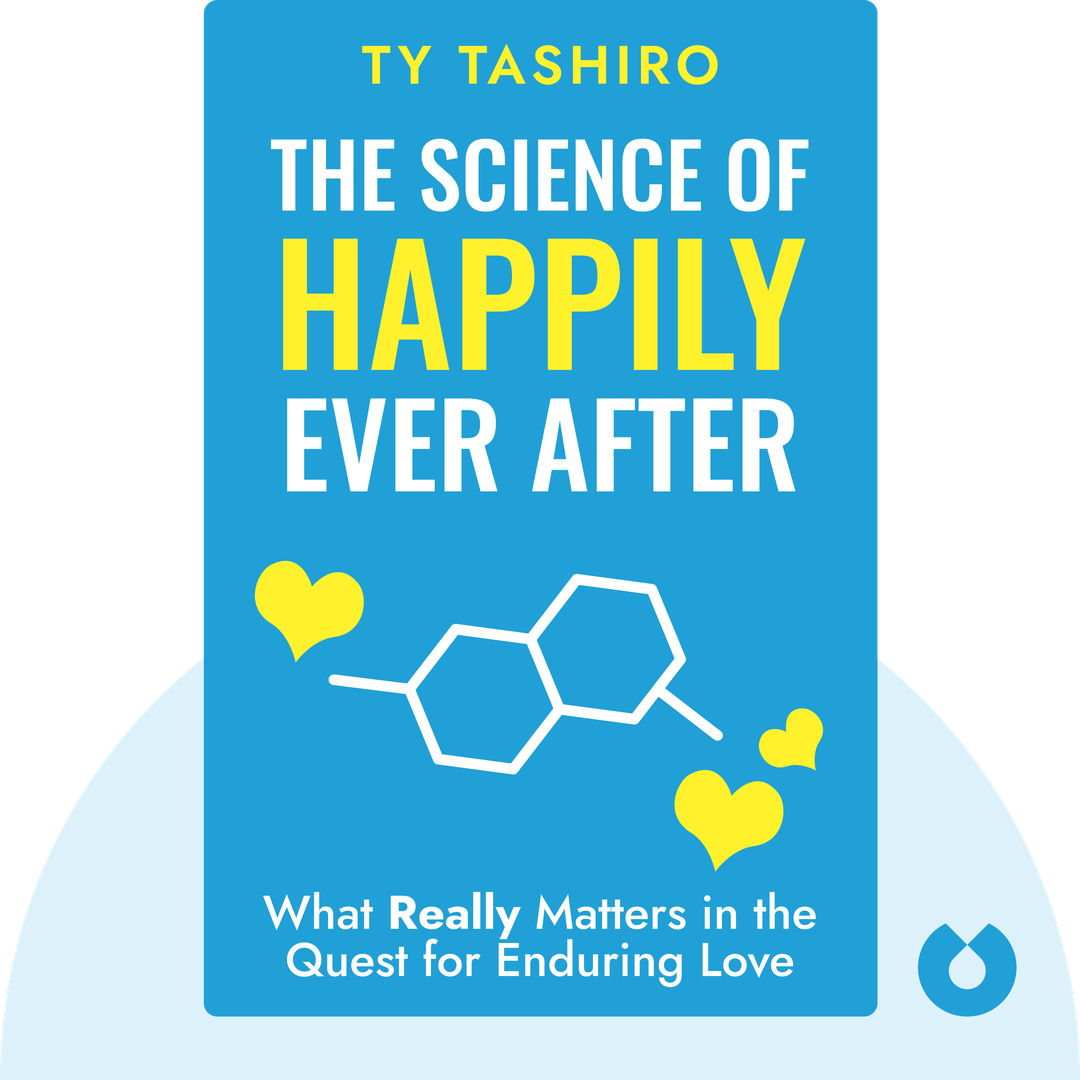
The Science of Happily Ever After
Start ListeningDownload Try free on iPhoneScan to start in 5 seconds
Categories:
If You're Curious About These Questions...
You should listen to this audiobook
- Have you ever wondered why some couples stay blissfully happy for a lifetime while others, despite their best efforts, simply fall apart?
- What if you could decode the evolutionary secrets behind our mating choices to finally find a partner who is truly right for you?
- Are you curious about the specific, science-backed traits that actually predict a 'happily ever after'—and why they might not be what you think?
Listen to The Science of Happily Ever After — Cinematic Audio Edition
Loading player...
Key Takeaways from The Science of Happily Ever After
- Discover why painful dating cycles often repeat and how shifting your focus from initial chemistry to long-term compatibility can finally protect your heart.
- Learn to view lasting love not as a mysterious, unpredictable force, but as a series of mindful, intentional choices that build genuine stability.
- Understand the vital difference between fleeting lust and genuine liking, and discover why prioritizing kindness, fairness, and loyalty is essential for relationship longevity.
- Recognize how cultural fairytales and Hollywood scripts distort romantic expectations, allowing you to rewrite your love story for the realities of everyday life.
- Master the math of compatibility by replacing the vague idea of a soulmate with a clear, practical understanding of your non-negotiable values and the flaws you can actually tolerate.
Learning Tools
Reinforce what you learned from The Science of Happily Ever After
Mind Map
The Science of Happily Ever After
The Evolutionary Trap+
The Three Wishes Framework+
Redefining Love+
Crucial Traits to Evaluate+
Systematizing Your Choice+
Quiz — Test Your Understanding
Question 1 of 7
According to the book, why are humans often ill-equipped to choose a lifelong partner?
Question 2 of 7
How does the book define 'love' in the context of a successful relationship?
Question 3 of 7
Why does the author recommend limiting your relationship 'wishes' to exactly three traits?
Question 4 of 7
What does the book suggest about prioritizing wealth and physical attractiveness in a partner?
Question 5 of 7
According to the text, who is typically best at accurately identifying a prospective partner's true traits?
Question 6 of 7
If you are going to prioritize one personality trait above all others for long-term relationship success, which does the author recommend?
Question 7 of 7
Which attachment style is described as an individual being so needy that they want to 'disappear' into the relationship?
The Science of Happily Ever After — Full Chapter Overview
- 1Recommendation
- 2Choose wisely
- 3Why we're romantic
- 4Reaching your happily ever after
The Science of Happily Ever After Summary & Overview
The Science of Happily Ever After (2014) digs into the history of mating throughout the history of the human species and answers the question of why some couples live happily ever after and some don’t. Part history and anthropology lesson, part self-help, it offers explanations and advice for anyone seeking love.
Who Should Listen to The Science of Happily Ever After?
- Love seekers
- People wondering why it never works out
- Couples in relationships who want to live happily ever after
Books Similar to The Science of Happily Ever After
Readers who enjoyed this also liked these titles.