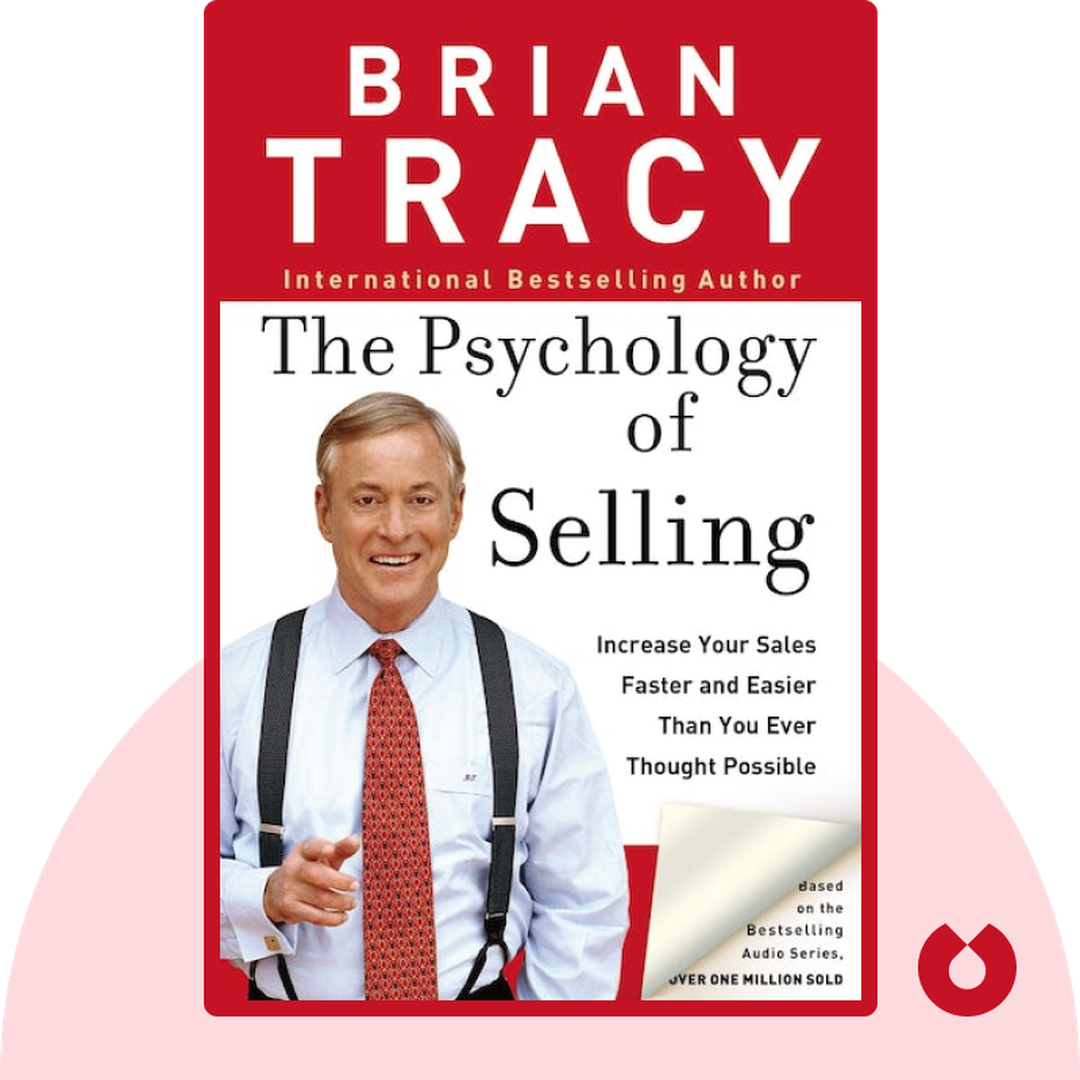
The Psychology of Selling
Start ListeningDownload Try free on iPhoneScan to start in 5 seconds
Categories:
If You're Curious About These Questions...
You should listen to this audiobook
- Did you know that your sales performance is actually limited by your own self-image, and there’s a specific psychological trick to break through that ceiling?
- Have you ever wondered why customers say 'no' even when they need your product, and what subtle shifts in your approach could turn those rejections into 'yes'?
- What if you could master the 'inner game' of selling to stay motivated and high-performing, regardless of how tough the market gets?
Listen to The Psychology of Selling — Free Audiobook
Loading player...
Key Takeaways from The Psychology of Selling
- Discover why writing a long list of personal reasons for your goals programs your subconscious for unstoppable sales motivation.
- Learn how to boost your performance and build a confident mental picture by using positive daily affirmations and visualizing past successes.
- Master the habit of continuous learning and find out how surrounding yourself with top-performing peers can massively elevate your sales skills.
- Understand how to uncover your prospect's true needs through targeted questions, allowing you to tailor your pitch around personal benefits rather than just product features.
- Find out why customers often buy products in search of social recognition, and learn how to leverage this emotional drive to offer the perfect option.
Learning Tools
Reinforce what you learned from The Psychology of Selling
Mind Map
The Psychology of Selling
Inner Game & Mindset+
Continuous Improvement+
Understanding Prospects+
Trust & Overcoming Fear+
Quiz — Test Your Understanding
Question 1 of 7
What is the core philosophy of the book regarding a person's ability to sell?
Question 2 of 7
According to the text, how should a salesperson use a to-do list to maximize their motivation and harness their subconscious?
Question 3 of 7
What technique do great salespeople use right before an upcoming sale to improve their performance?
Question 4 of 7
How does the author define a 'reference group' in the context of improving your sales career?
Question 5 of 7
Why is it a mistake for a salesperson to focus primarily on a product's history or special features during a pitch?
Question 6 of 7
When deciding to make a purchase, what do many consumers prioritize over a product's monetary value or getting the 'biggest bang for their buck'?
Question 7 of 7
Making a purchase often causes customers to feel hesitant because they are trading away their financial security. How can a salesperson overcome this hesitation?
The Psychology of Selling — Full Chapter Overview
- 1Recommendation
- 2Energize your subconscious to boost sales.
- 3Raise your self-esteem to elevate your sales performance.
- 4Surround yourself with people who share your passion and drive.
- 5Ask smart questions to reveal your prospect’s needs and tailor pitches accordingly.
- 6People purchase products seeking status and social recognition.
- 7Earn the trust of customers by showing that you truly care about their needs.
The Psychology of Selling Summary & Overview
The Psychology of Selling (2004) will school you in the psychology of consumption. These blinks reveal the techniques used by outstanding salespeople – techniques that you can use to increase your sales performance in any market.
Who Should Listen to The Psychology of Selling?
- Salespeople
- Anyone struggling to maintain a positive self-image
- People who want to improve their negotiating abilities
Books Similar to The Psychology of Selling
Readers who enjoyed this also liked these titles.