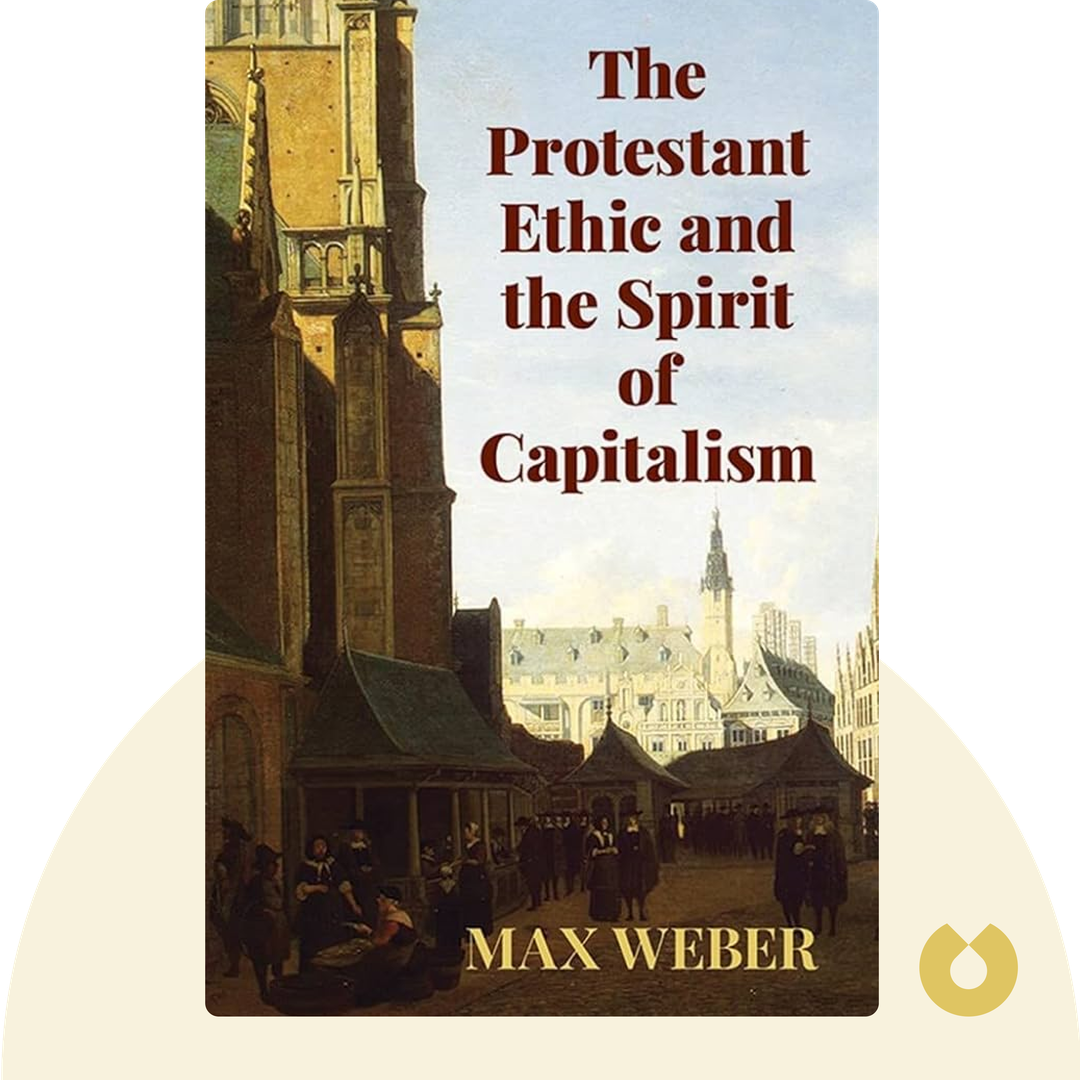
The Protestant Ethic and the Spirit of Capitalism
Start ListeningDownload Try free on iPhoneScan to start in 5 seconds
Categories:
If You're Curious About These Questions...
You should listen to this audiobook
- How did the strict, self-denying religious beliefs of 16th-century Calvinism accidentally fuel the relentless pursuit of profit and consumerism in modern capitalism?
- Why did the terrifying theological concept of 'predestination' cause early Protestants to transform everyday labor from a mundane chore into an intense search for signs of heavenly salvation?
- In what ways do the secular remnants of the Protestant work ethic continue to trap modern workers in an 'iron cage' of extreme hustle culture, meritocracy, and 80-hour workweeks?
Listen to The Protestant Ethic and the Spirit of Capitalism — Free Audiobook
Loading player...
Key Takeaways from The Protestant Ethic and the Spirit of Capitalism
- Max Weber argued that the ascetic virtues of 16th-century Protestantism inadvertently provided the moral foundation and cultural fuel for modern capitalism.
- The psychological anxiety caused by the doctrine of predestination led believers to pursue career prosperity and intense discipline as visible signs of divine grace.
- As religious motivations faded, habits of efficiency and thrift remained, transforming into a secular 'spirit of capitalism' where profit became an end in itself.
- Unlike Karl Marx's focus on material exploitation, Weber emphasized how cultural values, beliefs, and shared meanings are foundational to shaping economic systems.
- The remnants of the Protestant work ethic still deeply influence modern society, driving the cultural belief in meritocracy and the modern epidemic of work-related burnout.
Learning Tools
Reinforce what you learned from The Protestant Ethic and the Spirit of Capitalism
Mind Map
The Protestant Ethic and the Spirit of Capitalism
The Core Paradox+
Theological Origins+
The Spirit of Capitalism+
Critiques & Sociological Impact+
Modern Legacy+
Quiz — Test Your Understanding
Question 1 of 6
What central paradox did Max Weber seek to resolve in his sociological work?
Question 2 of 6
According to Weber, how did the Calvinist doctrine of predestination influence believers' attitudes toward work?
Question 3 of 6
How does Weber's concept of the 'spirit of capitalism' differ from the original Protestant work ethic?
Question 4 of 6
How did Max Weber's analysis of capitalism differ fundamentally from that of Karl Marx?
Question 5 of 6
How did Theodor Adorno and the Frankfurt School expand upon Weber's concept of the 'iron cage'?
Question 6 of 6
According to the text, how does the legacy of the Protestant work ethic manifest in modern secular society?
The Protestant Ethic and the Spirit of Capitalism — Full Chapter Overview
- 1Recommendation
- 2You’d better work, says Calvin
- 3The spirit of capitalism
- 4A long shadow
- 5An ethical foundation?
The Protestant Ethic and the Spirit of Capitalism Summary & Overview
The Protestant Ethic and the Spirit of Capitalism (1905) argues that the work ethic and values of early Protestant sects like Calvinism strongly influenced the development of capitalism in Western Europe. Weber's classic text traces these cultural origins, exploring how religious changes catalyzed the rise of modern economic systems by reshaping mindsets surrounding work, enterprise, and the accumulation of wealth.
Who Should Listen to The Protestant Ethic and the Spirit of Capitalism?
- History buffs craving works that explore important cultural trends
- Political minds seeking the foundations of contemporary social divides
- Anyone curious about the roots of modern work culture – and how to change it
Books Similar to The Protestant Ethic and the Spirit of Capitalism
Readers who enjoyed this also liked these titles.