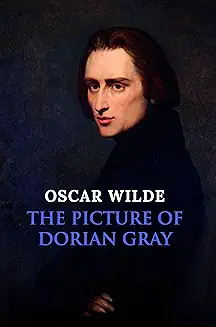
The Picture of Dorian Gray
If You're Curious About These Questions...
You should listen to this audiobook
- What if you could remain eternally young and beautiful while a hidden portrait bore the scars of your every sin and cruelty?
- Have you ever wondered what happens to a soul when pleasure becomes its only law and conscience is dismissed as nothing more than fear?
- Are you curious about the terrifying point where a life of secret vice and public perfection finally collapses under the weight of its own corruption?
Listen to The Picture of Dorian Gray — Free Audiobook
Key Takeaways from The Picture of Dorian Gray
- Discover why Oscar Wilde's gothic novel initially shocked 19th-century readers with its frank depictions of hedonism, clandestine affairs, and amoral pursuits.
- Understand the dangerous consequences of valuing youth and beauty above all else, as seen through Dorian's fateful wish for his portrait to bear the ravages of age.
- Explore the tragic blurring of art and reality, and learn why the story cautions against attempting to live your life entirely as a decadent aesthetic experience.
- Find out how a simple piece of art becomes a repository for dark secrets, beginning with the artist's own hidden romantic fascination and idolatry of his subject.
- Observe how toxic mentorship and the pursuit of sensual pleasure over morality drive Dorian into a reckless, dangerous romance with a working-class actress.
Learning Tools
Reinforce what you learned from The Picture of Dorian Gray
Mind Map
Quiz — Test Your Understanding
The Picture of Dorian Gray — Full Chapter Overview
- 1Recommendation
- 2The Portrait at the Center
- 3An Affair of the Theater
- 4When Romance Turns Bitter
- 5A Descent into Darkness
- 6Final summary
The Picture of Dorian Gray Summary & Overview
In glittering Victorian London, Dorian Gray becomes the obsession of painter Basil Hallward and the newest “experiment” of the brilliant cynic Lord Henry Wotton. As Dorian discovers his own beauty, he is seduced by a philosophy of sensation—one that insists pleasure is destiny and conscience is merely fear. Then Dorian makes a wish before Basil’s finished portrait: let the painting grow old and ugly, while he remains forever young.
The wish comes true. Dorian’s face stays untouched, but the portrait begins to change—subtly at first, then grotesquely—bearing the marks of cruelty, corruption, and time. As Dorian spirals into secret vice and moral collapse, the painting becomes a private ledger of his soul. When love, guilt, and revenge collide, Dorian discovers the ultimate horror: you can hide the evidence, but you cannot erase what you’ve become.
Who Should Listen to The Picture of Dorian Gray?
- Listeners who enjoy Gothic horror with psychological dread and a supernatural “rule” that punishes moral decay
- Fans of dark Victorian drama, witty dialogue, and stories about temptation, reputation, and hidden double lives
- Readers interested in cautionary tales where beauty and privilege become the doorway to monstrosity
Books Similar to The Picture of Dorian Gray
Readers who enjoyed this also liked these titles.