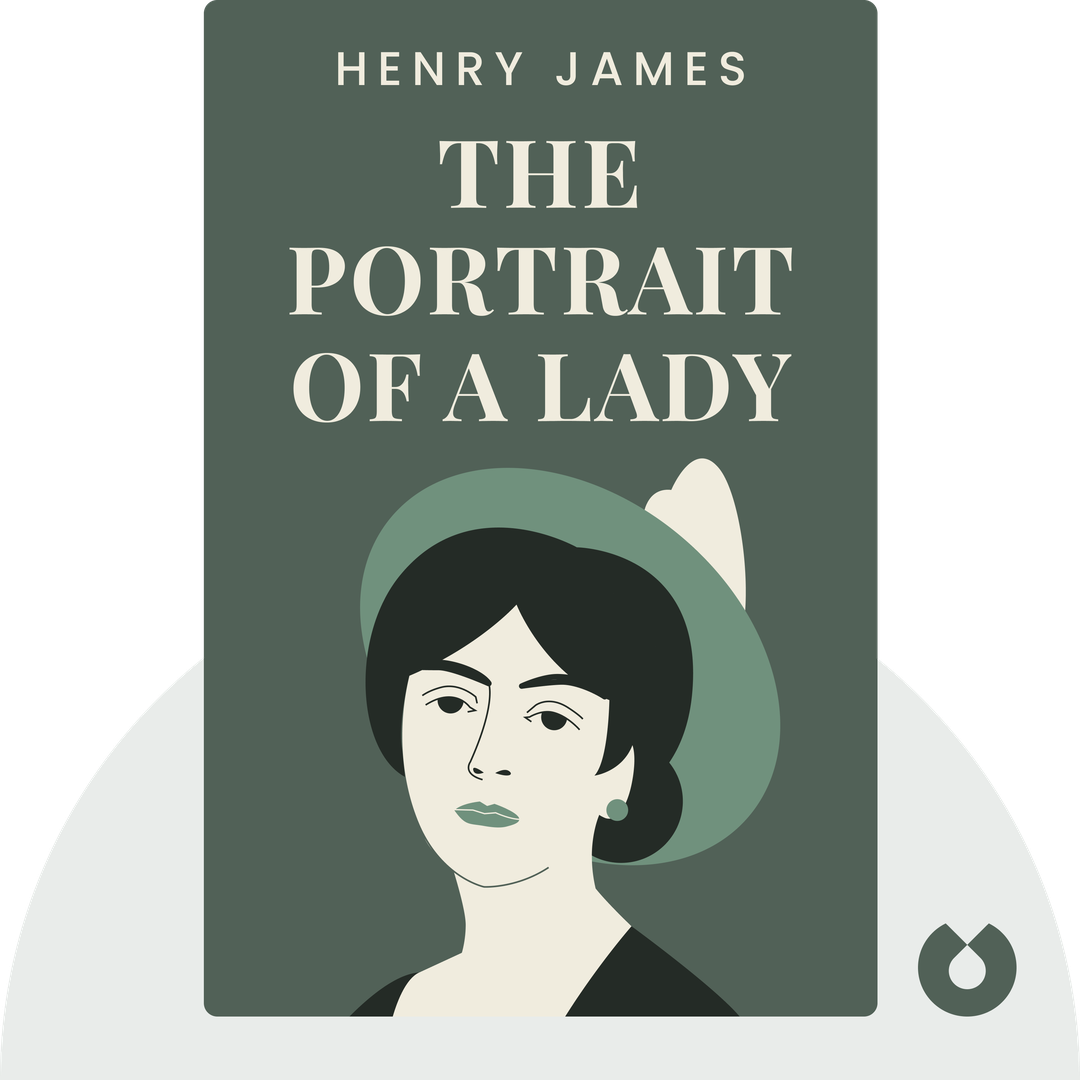
The Portrait of a Lady
Start ListeningDownload Try free on iPhoneScan to start in 5 seconds
Categories:
If You're Curious About These Questions...
You should listen to this audiobook
- Have you ever wondered why a fiercely independent soul, seeking ultimate freedom, might walk straight into a trap of her own making?
- What’s the secret to distinguishing between genuine affection and a calculated performance when the stakes are your entire future?
- Are you curious about how defying social expectations can lead to a journey of self-discovery that is as dangerous as it is profound?
Listen to The Portrait of a Lady — Free Audiobook
Loading player...
Key Takeaways from The Portrait of a Lady
- Understand how Henry James elevates a tale of American naivety into a profound, universal drama exploring human freedom and self-realization.
- Discover how the stark contrast between brash American ambition and historical Old World tradition shapes a young woman's fierce pursuit of independence.
- Learn why immense wealth and absolute liberty can quickly transform from a liberating gift into a daunting burden of responsibility.
- Explore the psychological complexities of manipulation as you witness how an innocent desire for self-discovery can be ensnared by scheming opportunists.
- Uncover the philosophical paradox of infinite possibilities, revealing that life's options only gain true meaning once you commit to an action.
Learning Tools
Reinforce what you learned from The Portrait of a Lady
Mind Map
The Portrait of a Lady
Characters & Symbolism+
Plot Progression+
Major Themes & Insights+
Quiz — Test Your Understanding
Question 1 of 7
Why does Isabel Archer initially reject marriage proposals from both Caspar Goodwood and Lord Warburton?
Question 2 of 7
What does Lord Warburton symbolically represent in the novel?
Question 3 of 7
What is Ralph Touchett's primary motivation for persuading his father to leave half of his inheritance to Isabel?
Question 4 of 7
How does Gilbert Osmond's behavior change after he successfully marries Isabel?
Question 5 of 7
How does Isabel ultimately realize the true nature of the relationship between Madame Merle and Gilbert Osmond?
Question 6 of 7
According to the text, what philosophical or cultural worldview compels Isabel to return to her unhappy marriage in Rome?
Question 7 of 7
Why does literary critic F.W. Dupee describe The Portrait of a Lady as Pride and Prejudice 'in reverse'?
The Portrait of a Lady — Full Chapter Overview
- 1Recommendation
- 2An Independent American
- 3An Unspoken Act of Love
- 4Gilbert Osmond
- 5A Troubled Marriage
- 6Departure and Return
- 7Final summary
The Portrait of a Lady Summary & Overview
The Portrait of a Lady (1881) represents a highpoint in the literary career of Henry James, one of the most accomplished novelists in the English language. It tells the story of Isabel Archer, a beautiful and spirited American brought to Europe by a wealthy aunt. Defying social expectations, she turns down two marriage proposals in order to pursue a journey of self-discovery. Her love of liberty, however, leads her into a trap of her own devising: a union with the outwardly charming yet manipulative Gilbert Osmond.
Who Should Listen to The Portrait of a Lady?
- Fans of classic literature
- Readers interested in themes of identity and freedom
- Anyone who loves nuanced storytelling
Books Similar to The Portrait of a Lady
Readers who enjoyed this also liked these titles.