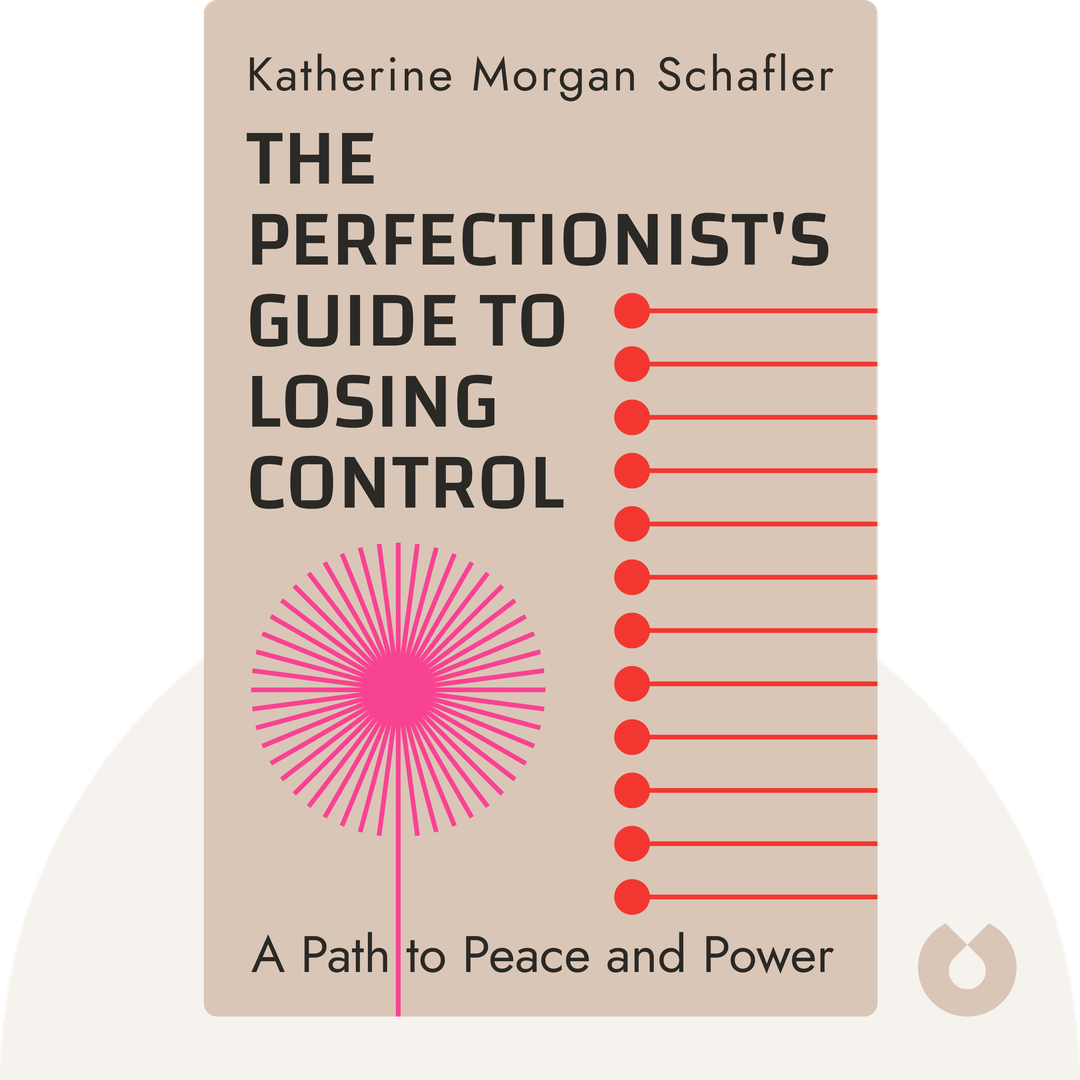
The Perfectionist's Guide to Losing Control
Start ListeningDownload Try free on iPhoneScan to start in 5 seconds
Categories:
If You're Curious About These Questions...
You should listen to this audiobook
- Why does traditional psychology often get perfectionism wrong, and how can viewing it as a powerful gift instead of a toxic flaw completely change your trajectory?
- Which of the five unique types of perfectionists—Classic, Parisian, Procrastinator, Messy, or Intense—do you most align with, and how can you unlock its specific hidden superpower?
- What is the dangerous difference between personal accountability and self-punishment, and how can you use self-compassion to break the paralyzing cycle of negative self-talk?
Listen to The Perfectionist's Guide to Losing Control — Free Audiobook
Loading player...
Key Takeaways from The Perfectionist's Guide to Losing Control
- Perfectionism is not an illness to be cured or eradicated, but a powerful gift that can be harnessed into a constructive superpower.
- The difference between healthy and destructive perfectionism lies in being adaptive—enjoying the process and learning from mistakes—rather than maladaptive and driven by the fear of shame.
- There are five distinct archetypes of perfectionists—Classic, Parisian, Procrastinator, Messy, and Intense—each requiring a unique approach to transform their specific drives into strengths.
- The most dangerous aspect of perfectionism is self-punishment, which must be actively replaced with self-compassion and true personal accountability that focuses on solutions rather than blame.
- To sustain the high energy required to harness perfectionism, you must actively seek out community connection and embrace both active and passive forms of relaxation.
Learning Tools
Reinforce what you learned from The Perfectionist's Guide to Losing Control
Mind Map
The Perfectionist's Guide to Losing Control
Core Philosophy+
The Five Types+
Overcoming Self-Punishment+
Connection and Restoration+
The Ongoing Journey+
Quiz — Test Your Understanding
Question 1 of 7
How does the author's view of perfectionism differ from traditional societal perspectives?
Question 2 of 7
According to the text, what is a widely accepted characteristic of perfectionists in the mental health field?
Question 3 of 7
Why do maladaptive 'procrastinator' perfectionists often struggle to start projects?
Question 4 of 7
Which of the following best describes the 'Parisian' perfectionist?
Question 5 of 7
What is the key difference between self-punishment and personal accountability for a perfectionist?
Question 6 of 7
To adapt to perfectionism and stop judging achievements against others, what terminology shift does the author recommend?
Question 7 of 7
Why might traditional 'passive relaxation' be difficult for perfectionists, and what does the author suggest as an alternative?
The Perfectionist's Guide to Losing Control — Full Chapter Overview
- 1Recommendation
- 2Perfectionism Is a Power, Not a Problem
- 3The Five Perfectionist Types
- 4Moving from Self-Punishment to Self-Compassion
- 5Connection and Renewal
- 6Final Summary
The Perfectionist's Guide to Losing Control Summary & Overview
The Perfectionist’s Guide to Losing Control is about understanding your perfectionist traits and making them work for you, not against you. It details different types of perfectionists and explains how all of them can adapt to their perfectionism.
Who Should Listen to The Perfectionist's Guide to Losing Control?
- Those who identify as perfectionists in any area of their lives
- People interested in understanding perfectionist traits and tendencies
- Readers who are interested in the mental health field
Books Similar to The Perfectionist's Guide to Losing Control
Readers who enjoyed this also liked these titles.