If You're Curious About These Questions...
You should listen to this audiobook
- Did you know that the impulse to react quickly in the workplace might actually be the biggest obstacle to your team’s innovation and trust?
- Have you ever wondered why even the most experienced leaders fall into the trap of reactivity, and how a simple shift in mindset can break that cycle forever?
- What if the most powerful leadership tool at your disposal isn't a new strategy or a faster workflow, but a single, intentional moment of silence?
Listen to The Pause Principle — Free Audiobook
Loading player...
Key Takeaways from The Pause Principle
- Discover why your brain treats everyday workplace challenges like physical survival threats, and how this biological mismatch damages organizational trust.
- Learn to recognize physical signals like tightened muscles or a racing heart as early warning systems, allowing you to catch yourself before a toxic reaction occurs.
- Master the practice of 'softening' during difficult conversations by owning your discomfort, taking deliberate breaths, and maintaining eye contact to stay grounded.
- Understand how to evaluate your sudden urge to speak during conflicts, ensuring your words actively solve problems rather than merely defending your position.
- Identify your unique leadership triggers and discover how using simple self-acknowledging phrases can create valuable mental space between a trigger and your response.
Learning Tools
Reinforce what you learned from The Pause Principle
Mind Map
The Pause Principle
Understanding Reactivity+
Softening Up (Physical Reset)+
Breaking the Reaction Cycle+
Mastering the Pause+
Daily Training Practices+
Quiz — Test Your Understanding
Question 1 of 8
According to the text, why do leaders often react so strongly to workplace challenges, such as having their judgment questioned?
Question 2 of 8
What does it mean to 'own your discomfort' when you feel the physical signs of reactivity?
Question 3 of 8
How does maintaining eye contact help a leader during an emotionally charged conflict?
Question 4 of 8
What is described as the most powerful tool for breaking reaction cycles before a challenging situation even occurs?
Question 5 of 8
What happens in the brain when a leader consciously takes a pause during a triggering event?
Question 6 of 8
According to the text, why do many leaders resist taking a pause during difficult interactions?
Question 7 of 8
What is the primary purpose of the 'clarity meditation' mentioned in the book?
Question 8 of 8
When incorporating meditation and awareness exercises into a leadership routine, what approach does the author recommend?
The Pause Principle — Full Chapter Overview
- 1Recommendation
- 2The price of reactivity
- 3Easing up
- 4Breaking the reactive cycle
- 5Use a pause
- 6Pausing as practice
The Pause Principle Summary & Overview
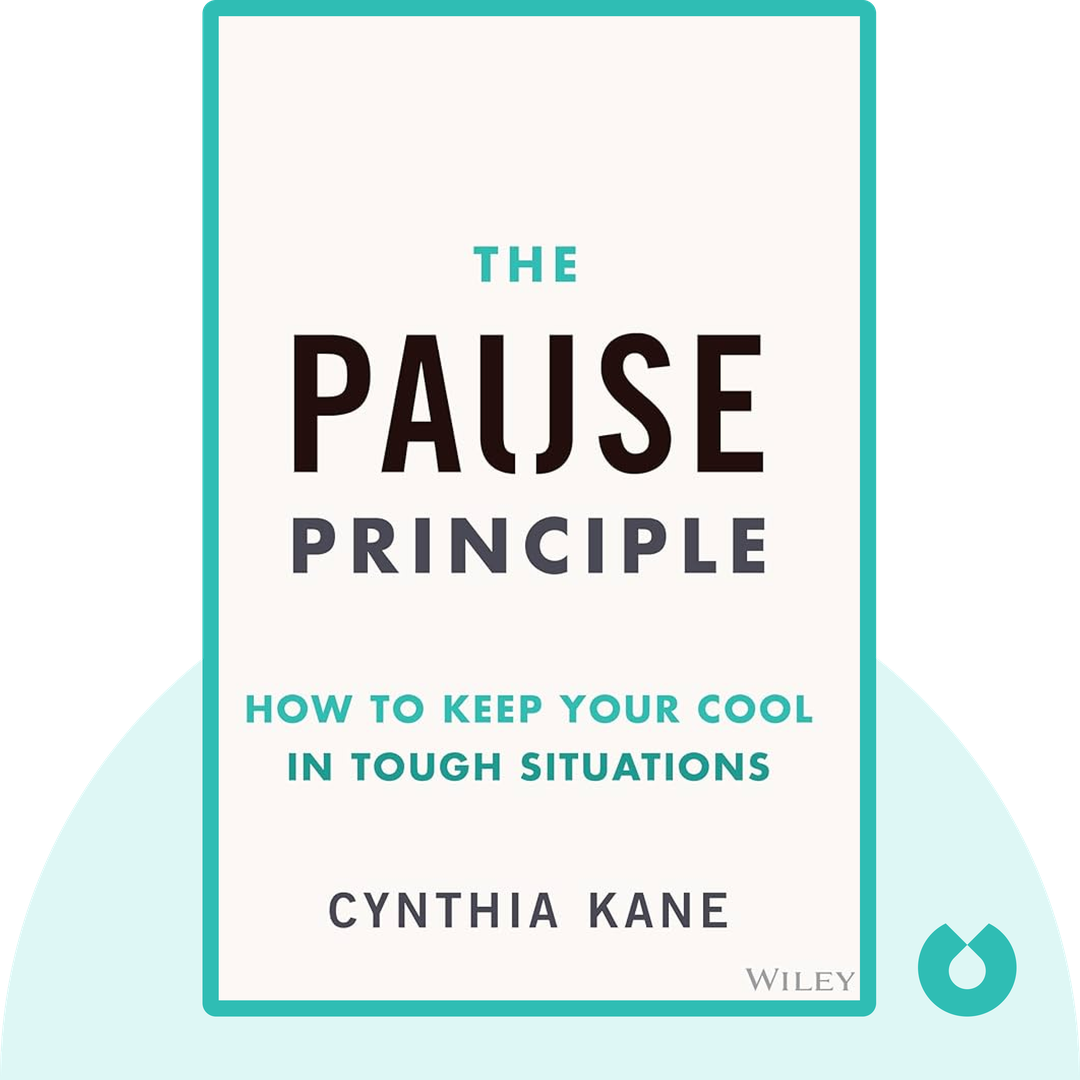
The Pause Principle (2025) examines how workplace reactivity weakens organizations and undermines leadership effectiveness. Instead of reacting impulsively, it advocates for mindfulness-based strategies that foster intentional decision-making. Through a comprehensive framework, it guides leaders in transforming reactive habits into thoughtful responses – helping them build stronger teams, make better decisions, and cultivate a culture of trust and innovation.
Who Should Listen to The Pause Principle?
- Rising professionals hoping to build on their emotional intelligence
- Experienced leaders looking to break long-standing patterns of reactive behavior
- Anyone aiming to manage stress better in tough situations
Books Similar to The Pause Principle
Readers who enjoyed this also liked these titles.