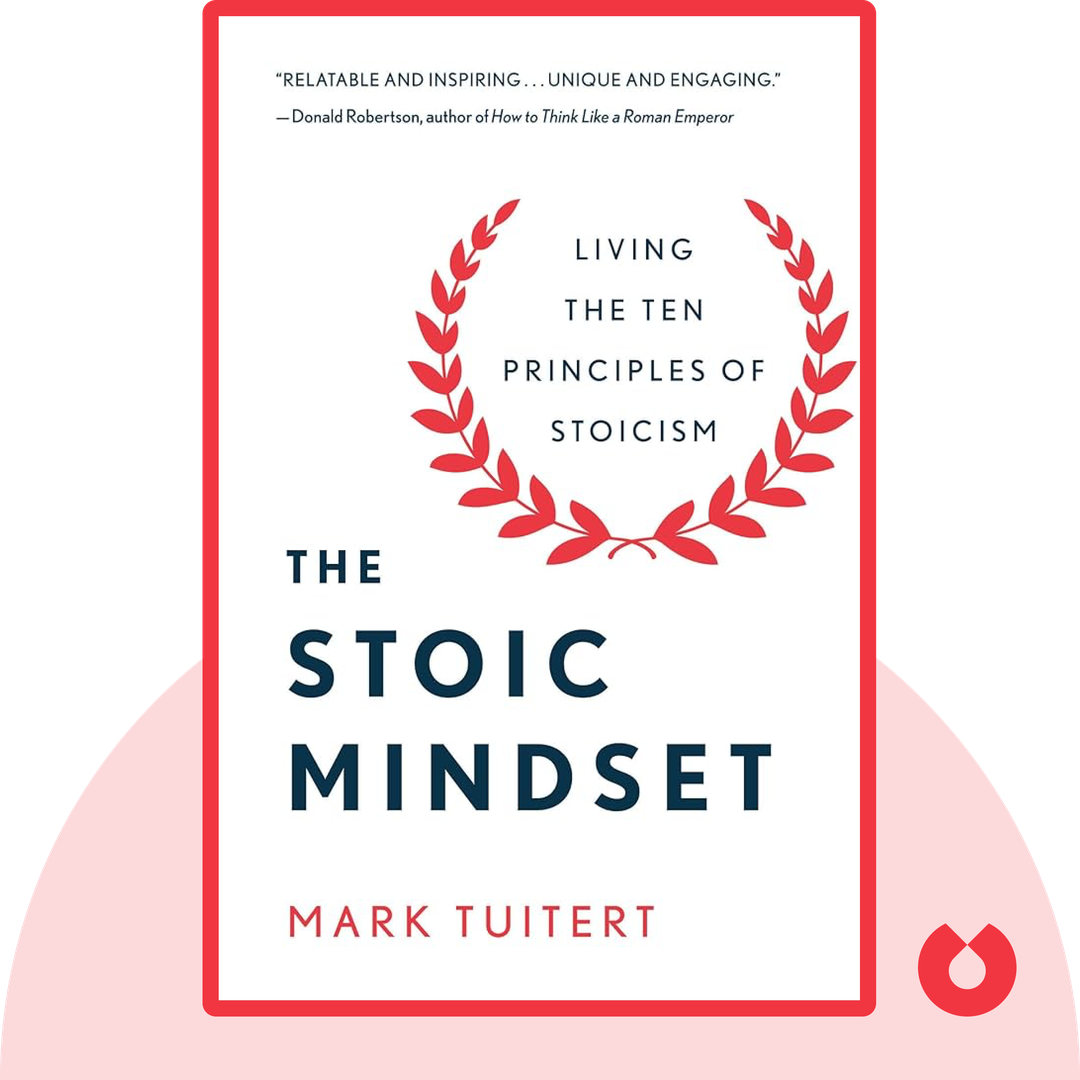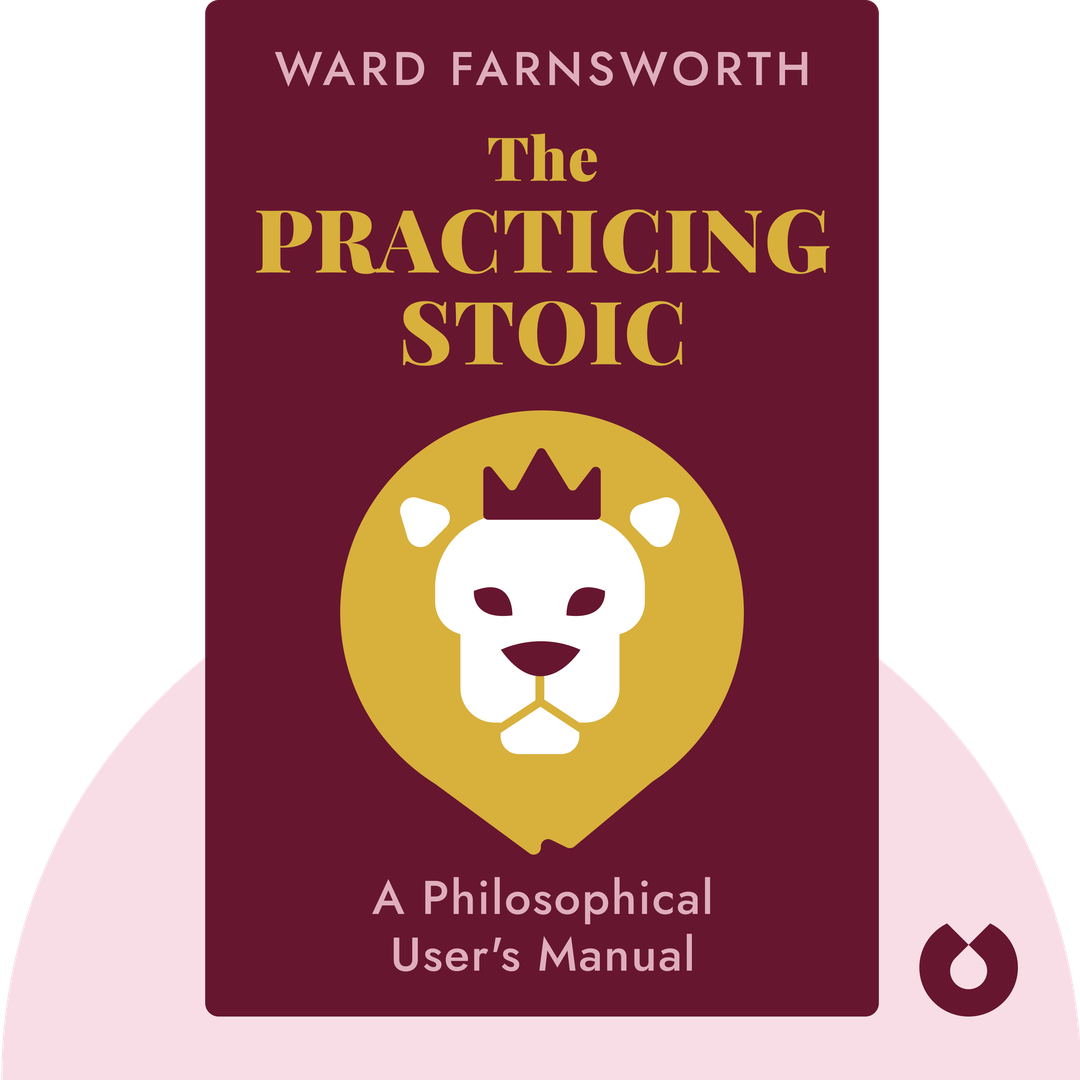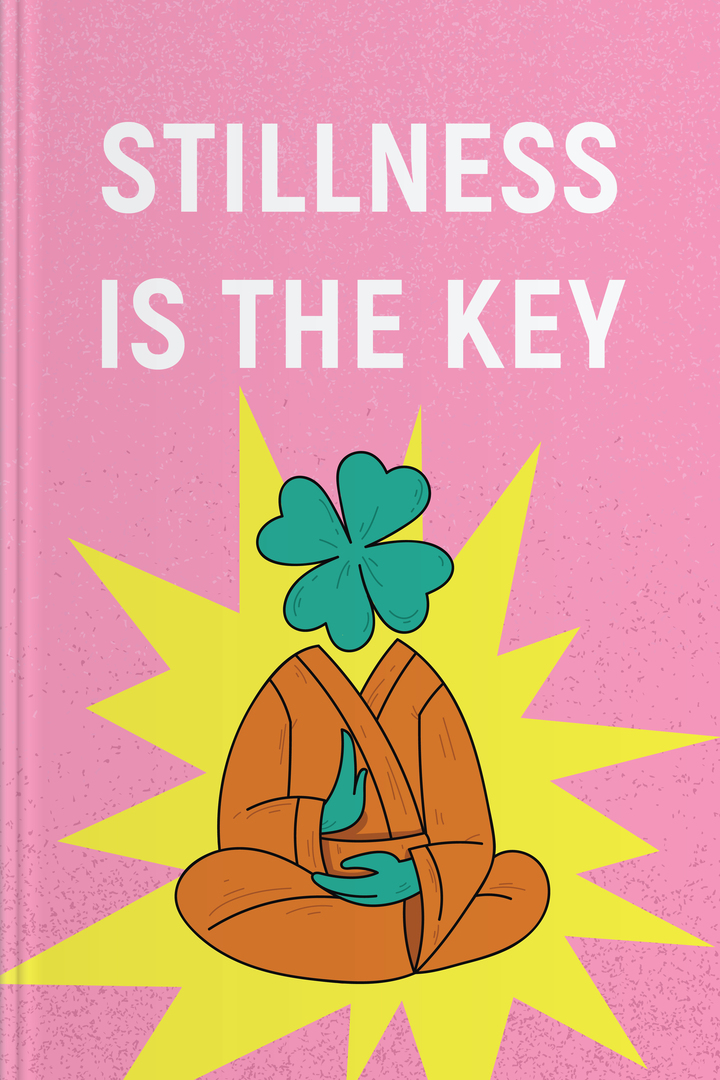
Stillness Is the Key audiobook cover - In a world that pulls attention in a thousand directions, this gentle guide explores how stillness, presence, and strong personal values can steady the mind, soften emotional storms, and support a life that feels both successful and deeply fulfilling.

Stillness Is the Key

In a world that pulls attention in a thousand directions, this gentle guide explores how stillness, presence, and strong personal values can steady the mind, soften emotional storms, and support a life that feels both successful and deeply fulfilling.

Unknown

4.0 / 5(3 ratings)
Start ListeningDownloadQR code that opens AudiobookHub on the App StoreTry free on iPhoneScan to start in 5 seconds

If You're Curious About These Questions...

You should listen to this audiobook

Listen to Stillness Is the Key — Free Audiobook

Loading player...

Key Takeaways from Stillness Is the Key

Learning Tools

Reinforce what you learned from Stillness Is the Key

Mind Map

Stillness Is the Key
Essence of Stillness+
Mind (Mental Clarity)+
Spirit (Soulful Peace)+
Body (Physical Action)+

Quiz — Test Your Understanding

Question 1 of 10
According to the Stoics, what does the concept of 'apatheia' truly represent?
  • A. A complete lack of emotion and listlessness.
  • B. An emotional stillness where one is undisturbed by passion.
  • C. The ability to completely block out physical noise.
  • D. A state of extreme apathy toward worldly possessions.
Question 2 of 10
How did John F. Kennedy successfully navigate the high-stakes environment of the Cuban Missile Crisis?
  • A. By immediately following his advisors' instinctual advice to strike the missile sites.
  • B. By flexing U.S. military might to force a quick Soviet surrender.
  • C. By resisting his gut feelings, slowing down his decision-making, and giving his opponent time to think.
  • D. By sailing on his yacht to meditate and completely detach from the situation.
Question 3 of 10
What key lesson about high performance is illustrated by Marina Abramović’s exhibit 'The Artist is Present'?
  • A. True brilliance and high performance require absolute occupation of the present moment.
  • B. Endurance art is the only way to truly connect with a modern audience.
  • C. Physical exhaustion is necessary to break down emotional barriers.
  • D. Daydreaming is an essential tool for artists to tap into their creativity.
Question 4 of 10
According to the text, what is the primary benefit of journaling, as practiced by figures like Anne Frank and Seneca?
  • A. It serves as a historical record to guarantee public recognition.
  • B. It allows you to watch yourself as a stranger, providing a fresh perspective to face hard truths.
  • C. It replaces the need for physical hobbies and exercise.
  • D. It forces you to focus entirely on your external environment rather than internal worries.
Question 5 of 10
What was composer John Cage trying to demonstrate with his famous silent composition, 4'33"?
  • A. That modern audiences lack the attention span for classical music.
  • B. That music should only be played in completely soundproof environments.
  • C. That true silence doesn't exist, and an absence of intentional noise helps us actually hear what is around us.
  • D. That musicians should rely on visual performance rather than auditory skill.
Question 6 of 10
What does the story of Tiger Woods's upbringing and subsequent personal collapse illustrate about stillness?
  • A. Stillness is only useful for sports, not for personal relationships.
  • B. Achieving external success is not worth it if it damages your soul in the process.
  • C. Financial wealth is the ultimate cure for a troubled soul.
  • D. Parents must be relentlessly demanding to guarantee their children's happiness.
Question 7 of 10
How did author Joseph Heller respond when reminded that a billionaire host made more money in one day than Heller's most famous book ever did?
  • A. He expressed a deep motivation to write a more successful sequel.
  • B. He pointed out that he had something the billionaire never would: the knowledge that he had enough.
  • C. He argued that the billionaire's money was earned unethically.
  • D. He immediately left the party in frustration.
Question 8 of 10
Why did Winston Churchill take up the unusual hobby of bricklaying?
  • A. He wanted to build his own estate without paying laborers.
  • B. He needed a physical and intellectual escape that served as an antidote to his depression.
  • C. He was trying to appeal to the working-class voters of Britain.
  • D. He believed it was the only way to understand architecture.
Question 9 of 10
What cautionary lesson is drawn from the life of Prince Albert, husband to Queen Victoria?
  • A. Overworking and failing to embrace moderation can literally destroy your health.
  • B. Taking daily siestas is a sign of poor leadership.
  • C. Organizing large events guarantees political success.
  • D. Leaders should delegate all their responsibilities to avoid stress.
Question 10 of 10
What actionable advice does the book suggest for creating space for stillness in your life?
  • A. Delete all your social media accounts.
  • B. Move to a rural area away from city noise.
  • C. Get rid of unnecessary physical belongings and stuff.
  • D. Stop reading the daily news.

Stillness Is the Key — Full Chapter Overview

Stillness Is the Key Summary & Overview

This narration is an invitation to slow down—without giving up on ambition. It explores how inner stillness can work side by side with hard work, helping a person think clearly, respond wisely under pressure, and stay grounded even when life feels noisy or demanding.

Across eight chapters, the listener is guided through practical ideas: living in the present, reducing information overload, journaling through emotions, learning from wise mentors, building character and virtue, and caring for the body as an essential part of productivity. The overall message is simple and supportive: success feels better, and lasts longer, when it grows from a steady mind and a well-tended life.

Who Should Listen to Stillness Is the Key?

  • Anyone who feels overwhelmed by distraction, constant updates, or mental clutter—and wants a calmer, clearer way to move through the day.
  • High performers and goal-setters who want success that includes peace of mind, strong character, and sustainable routines.
  • Listeners who enjoy reflective practices like journaling, walking, and quiet time, and want motivation to turn them into steady habits.

About the Author: Unknown

The author is not specified in the provided text. The ideas reference historical figures, philosophical traditions, and commonly discussed self-development practices to encourage stillness, presence, virtue, and healthy routines.

🎧
Listen in the AppOffline playback & background play
Get App