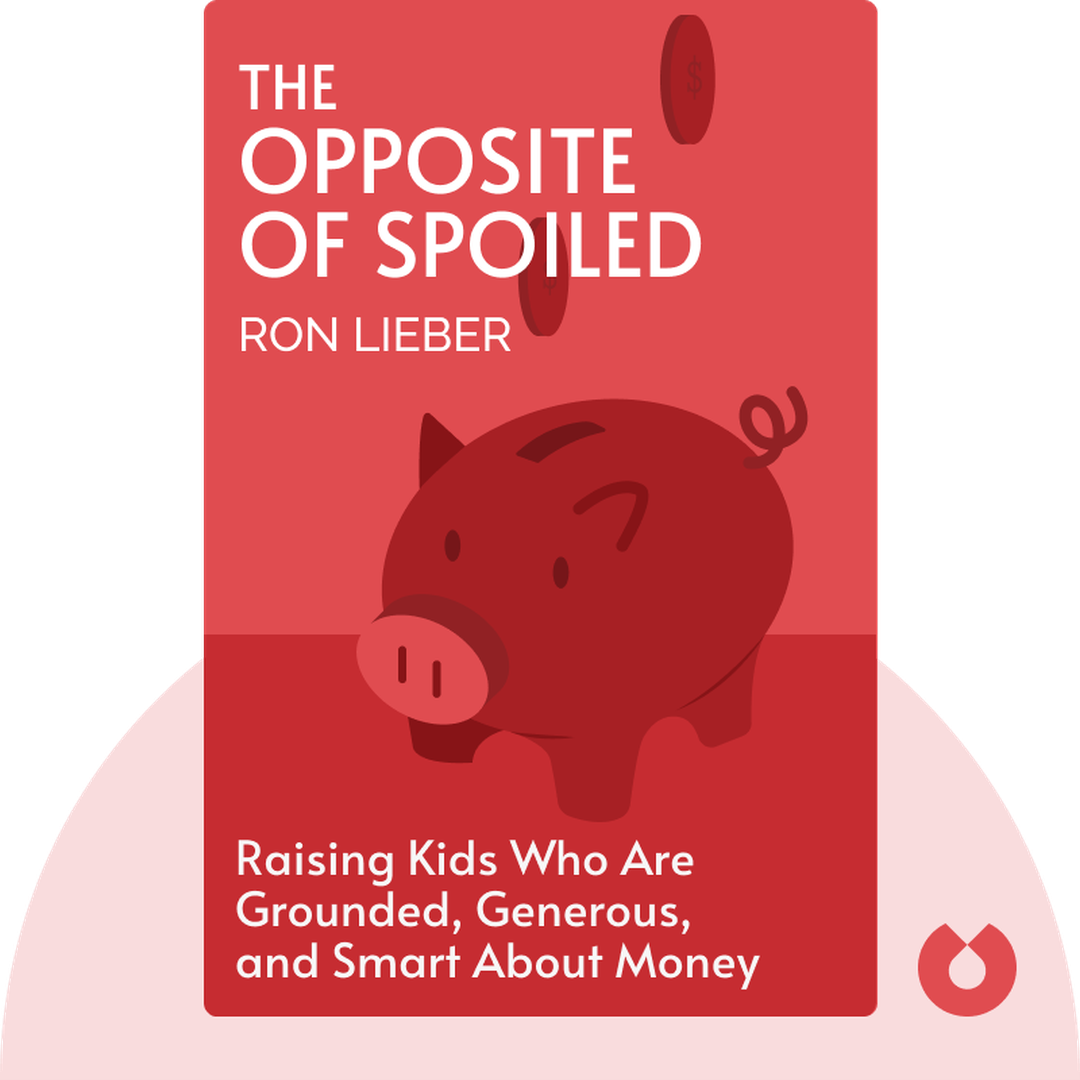
The Opposite of Spoiled
Start ListeningDownload Try free on iPhoneScan to start in 5 seconds
Categories:
If You're Curious About These Questions...
You should listen to this audiobook
- What's the secret to raising a child who is generous and grounded, even in a world obsessed with material things?
- Have you ever wondered why being honest about your family's finances might actually be the best way to prevent your children from becoming spoiled?
- Did you know that the way you handle your child’s allowance could be the most important tool for teaching them the difference between needs and wants?
Listen to The Opposite of Spoiled — Free Audiobook
Loading player...
Key Takeaways from The Opposite of Spoiled
- Discover why talking openly about money is the ultimate secret to raising generous, patient, and unspoiled children.
- Learn how to handle awkward financial questions by first asking your child why they want to know, then sharing real bills to teach them money's true value.
- Understand why you should never tie a child's allowance to their chores, ensuring they learn that household responsibilities are shared duties rather than paid jobs.
- Find out why giving a small allowance as soon as your child can count—and letting them waste it on useless items—is a vital strategy for teaching practical budgeting.
- Master the 'Dewey rule' to strike the perfect balance between helping your child fit in with peers and teaching them the value of waiting for material possessions.
Learning Tools
Reinforce what you learned from The Opposite of Spoiled
Mind Map
The Opposite of Spoiled
The Root of 'Spoiled' Behavior+
Open Financial Communication+
Allowances and Budgeting+
Curbing Materialism+
The Value of Work+
Generosity and Perspective+
Quiz — Test Your Understanding
Question 1 of 8
According to the text, what is the primary reason today's children are often materialistic and spoiled?
Question 2 of 8
Which of the following is NOT listed as one of the four basic qualities that spoiled children share?
Question 3 of 8
What is the recommended first response when your child asks a direct financial question, such as 'How much do you earn?'
Question 4 of 8
What rule does the author suggest parents follow regarding allowances and household chores?
Question 5 of 8
What is the purpose of the 'Dewey rule' mentioned in the book?
Question 6 of 8
Why is it beneficial for children to earn their own spending money through work, according to the text?
Question 7 of 8
How does the author suggest parents teach their children perspective about wealth and privilege?
Question 8 of 8
According to the actionable advice in the final summary, why should parents limit their child's TV time?
The Opposite of Spoiled — Full Chapter Overview
- 1Recommendation
- 2Teach your kids about money to ensure they don’t grow up spoiled later.
- 3Answer your children’s money questions honestly and show them what things cost.
- 4Let your child practice with money to ensure they truly learn the importance of budgeting.
- 5Avoid raising materialistic children by making them wait for the things they want.
- 6Encourage your child to get a job so they can learn as they earn.
- 7Make sure your children know the importance of generosity and perspective.
The Opposite of Spoiled Summary & Overview
The Opposite of Spoiled (2015) is the essential guide to raising patient, generous children through financial education. These blinks will show you how to guide your child’s development by talking to them about money, involving them in financial decisions and showing them the importance of generosity and work.
Who Should Listen to The Opposite of Spoiled?
- Parents or people considering having children
- Teachers and those who work with kids
- Anyone concerned that today’s children are growing up spoiled
Books Similar to The Opposite of Spoiled
Readers who enjoyed this also liked these titles.