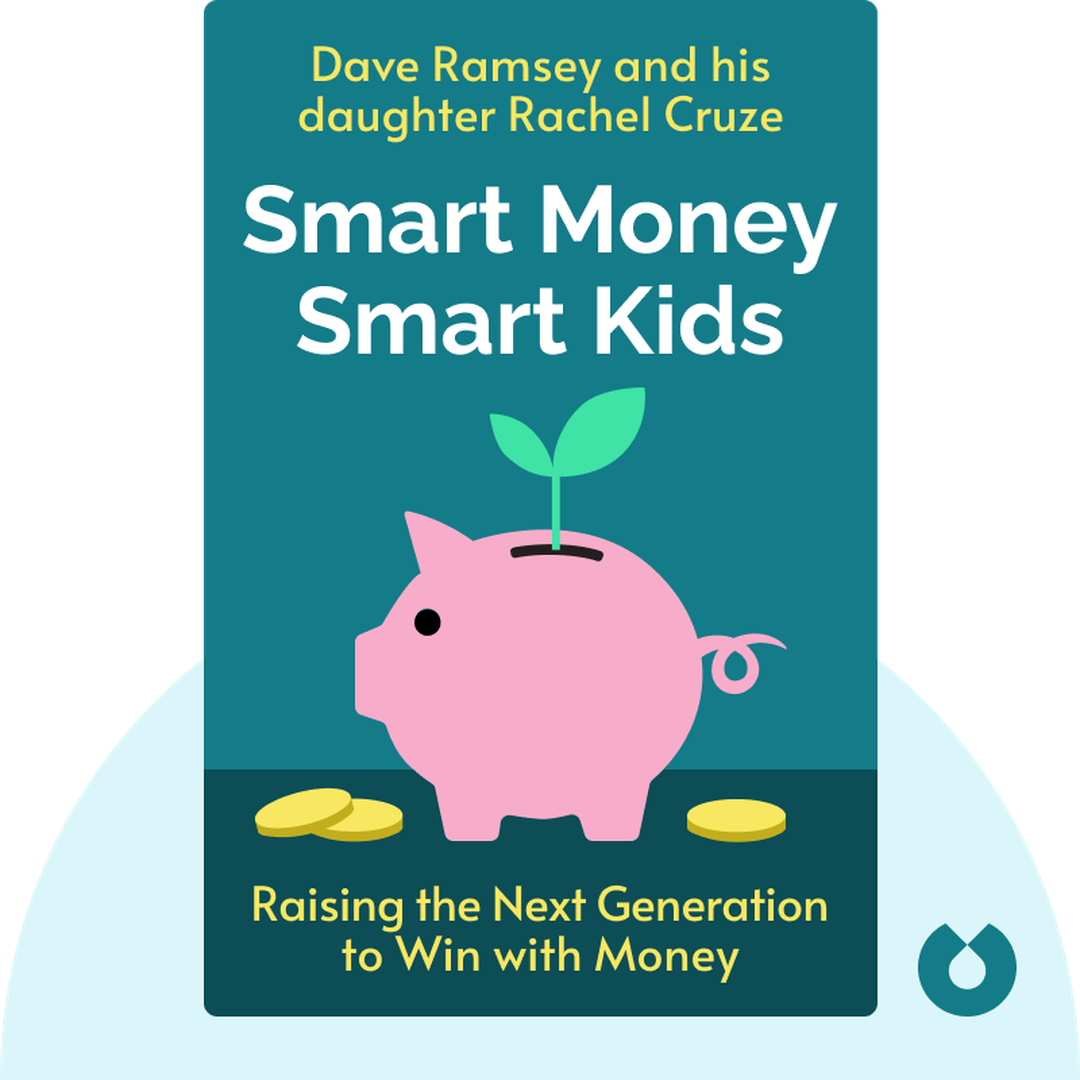
Smart Money Smart Kids
Start ListeningDownload Try free on iPhoneScan to start in 5 seconds
Categories:
If You're Curious About These Questions...
You should listen to this audiobook
- Did you know that replacing your child’s 'allowance' with a 'commission' system could be the single most important step in building their lifelong work ethic?
- Have you ever wondered why using clear jars instead of a traditional piggy bank is a psychological game-changer for how kids learn to save, spend, and give?
- What if you could equip your teenager with the confidence to navigate major financial milestones without ever falling into the trap of debt?
Listen to Smart Money Smart Kids — Free Audiobook
Loading player...
Key Takeaways from Smart Money Smart Kids
- Learn how to replace the traditional allowance with a commission system to teach your children the direct connection between hard work and earning money.
- Discover how visual tools like clear jars for toddlers and the three-envelope system for older kids can make saving, spending, and giving tangible and exciting.
- Understand the importance of teaching opportunity cost and the overnight waiting rule to help your children develop wise spending habits early on.
- Find out how to identify whether your child is a natural spender or saver so you can tailor your guidance and help them thrive debt-free regardless of their inclination.
- Master the art of modeling good financial behavior by practicing a zero-based budget yourself and turning your own money mistakes into valuable teaching moments for your kids.
Learning Tools
Reinforce what you learned from Smart Money Smart Kids
Mind Map
Smart Money Smart Kids
Core Philosophy+
Work & Earning+
Spending & Saving+
Budgeting+
College Planning+
Quiz — Test Your Understanding
Question 1 of 7
According to Ramsey and Cruze, why is a 'commission' format recommended over a traditional 'allowance' for children?
Question 2 of 7
What method do the authors suggest for paying children ages three to five when they complete chores?
Question 3 of 7
How do the authors view the natural tendencies of being a 'saver' versus a 'spender'?
Question 4 of 7
When creating a monthly budget, what do Ramsey and Cruze recommend doing first before accounting for expenses?
Question 5 of 7
How should parents react if a teen depletes their emergency fund on a non-essential item (like concert tickets) and then faces a real emergency (like a cracked phone screen)?
Question 6 of 7
What is Ramsey and Cruze's key message to parents regarding paying for their children's college education?
Question 7 of 7
Which of the following is NOT mentioned in the text as a strategy for a teen to get through college debt-free?
Smart Money Smart Kids — Full Chapter Overview
- 1Recommendation
- 2The essentials – work, spending, and saving
- 3Budgeting
- 4College
Smart Money Smart Kids Summary & Overview
Smart Money Smart Kids (2014) guides parents – or anyone helping raise children – in teaching those kids to become financially smart. Review basics like the relationship between work and money and find actionable advice for instructing toddlers through teens to gain confidence with money.
Who Should Listen to Smart Money Smart Kids?
- Parents or guardians who want to raise money smart kids
- Anyone teaching young people how to be financially fit
- Financially wealthy individuals wondering how to build generational success
Books Similar to Smart Money Smart Kids
Readers who enjoyed this also liked these titles.