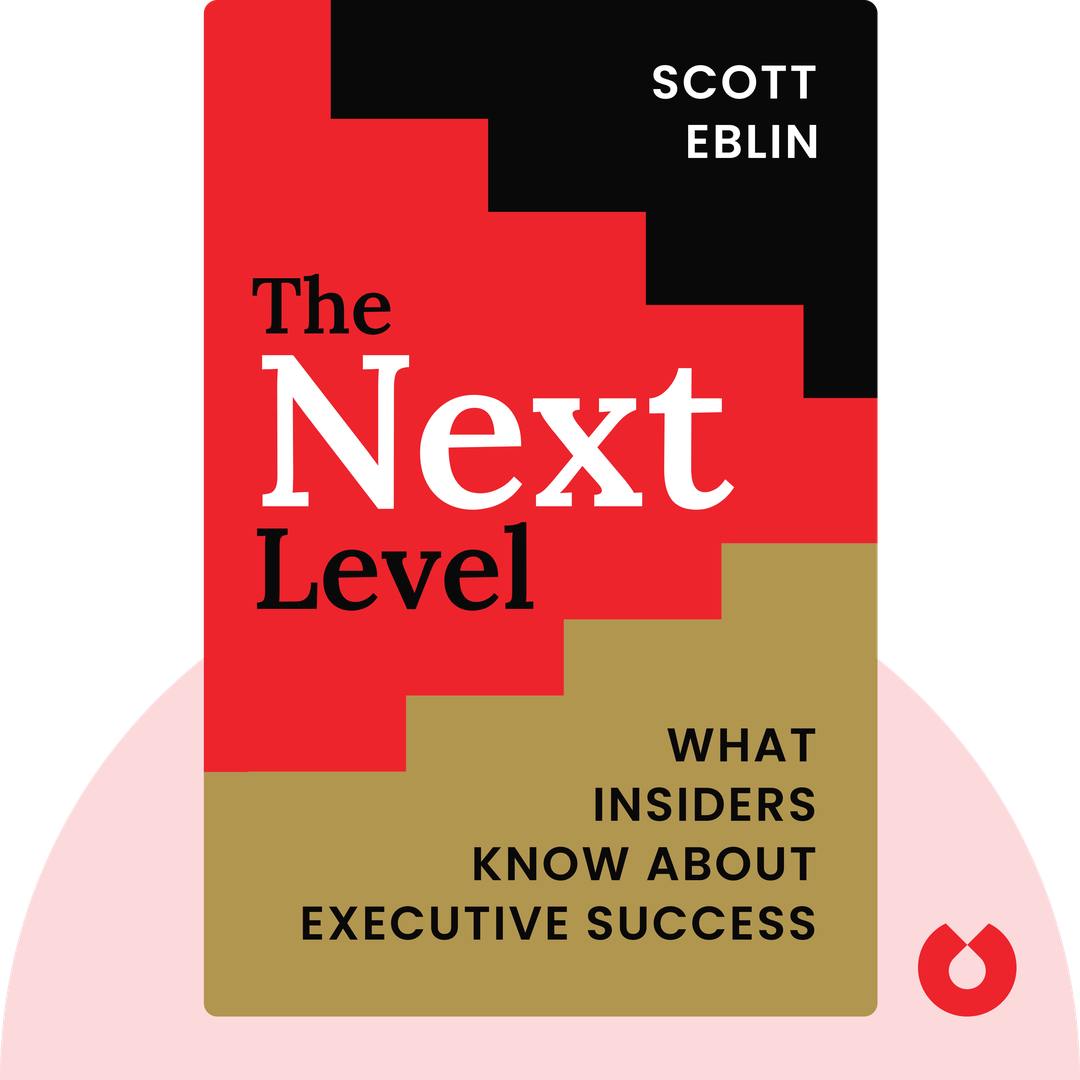
If You're Curious About These Questions...
You should listen to this audiobook
- Did you know that the exact behaviors that earned you a promotion might be the very things holding you back from success at the executive level?
- Have you ever wondered what the specific 'secret' list of habits is that high-performing leaders must let go of to reach the next tier?
- What if you could navigate your first months in a high-stakes leadership role with a clear roadmap of exactly what to pick up and what to leave behind?
Listen to The Next Level — Free Audiobook
Loading player...
Key Takeaways from The Next Level
- Discover how to overcome the 'expertise paradox' by letting go of your technical problem-solving skills and stepping into your new role as a strategic guide.
- Master the art of tailored executive communication by utilizing the 'WAIT' method to prevent over-communication and prioritize active listening.
- Understand why your value as an executive lies in acting as a conductor who influences others, rather than a solo performer handling tasks personally.
- Learn how to use the GAPS model—evaluating Goals, Abilities, Perceptions, and Standards—to accurately assess your team's talent and align the right people with the right roles.
- Find out why true leaders focus on defining the 'what' instead of micromanaging the 'how,' empowering team members to develop their own innovative solutions.
Learning Tools
Reinforce what you learned from The Next Level
Mind Map
The Next Level
Overcoming the Expertise Paradox+
Customizing Communication+
Elevating Team Talent+
Delegating: What vs. How+
Multi-Directional Networking+
Managing Amplified Impact+
Quiz — Test Your Understanding
Question 1 of 7
What is the 'expertise paradox' described in the book?
Question 2 of 7
What fundamental mindset shift is required when transitioning from a star performer to a true leader?
Question 3 of 7
According to veteran corporate coach Frank Ball, what is the purpose of writing 'WAIT' on a post-it note?
Question 4 of 7
What does the GAPS model stand for when assessing team members and their roles?
Question 5 of 7
When shifting focus to the 'what' rather than the 'how,' the book recommends using the 'four Ps' framework. Which of the following is NOT one of the four Ps?
Question 6 of 7
How does the book suggest leaders should approach organizational networking?
Question 7 of 7
What crucial lesson did Madison, the Chief Product Officer, learn about her amplified organizational presence?
The Next Level — Full Chapter Overview
- 1Recommendation
- 2Avoid falling into the expertise paradox.
- 3Tailor your communication.
- 4Let your team's talents shine.
- 5Focus on the 'what,' not the 'how'.
- 6Network in every direction.
- 7Get comfortable with your impact.
The Next Level Summary & Overview
The Next Level (2010) addresses the challenging transition to executive roles, providing a practical framework for identifying which behaviors to maintain and which to leave behind when stepping into higher leadership positions. With specific guidance on both what to embrace and what to avoid, it helps newly promoted executives build the confidence and capabilities needed for success at the next level.
Who Should Listen to The Next Level?
- Newly promoted execs navigating those crucial first months of a new role
- High performers eyeing the next level of their career
- Mentors and coaches guiding others through leadership transitions
Books Similar to The Next Level
Readers who enjoyed this also liked these titles.