How Successful People Lead
Start ListeningDownload Try free on iPhoneScan to start in 5 seconds
Categories:
If You're Curious About These Questions...
You should listen to this audiobook
- Did you know that relying solely on your job title is actually the lowest level of leadership, and what are the specific steps required to climb higher?
- Have you ever wondered why some leaders inspire effortless loyalty while others struggle to keep their teams engaged and motivated?
- What if you could master the five distinct stages of influence to transform from a standard manager into a leader who creates a lasting legacy?
Listen to How Successful People Lead — Free Audiobook
Loading player...
Key Takeaways from How Successful People Lead
- Understand why true leadership is a dynamic process rather than a mere title, and discover how treating your authority as a privilege builds a solid foundation for success.
- Learn how to abandon outdated, top-down intimidation mindsets in favor of a collaborative environment that champions everyone's growth and innovation.
- Discover the power of 'leadership by permission,' where actively listening and including your team transforms mere obligation into genuine loyalty.
- Master the ability to navigate complex workplace dynamics by using candor to address flaws and enforce consequences without sacrificing positive momentum.
- Find out how to transition into a 'production leader' who leverages strong people skills and personal accountability to drive concrete results and solve problems.
Learning Tools
Reinforce what you learned from How Successful People Lead
Mind Map
How Successful People Lead
Level 1: Position (Authority)+
Level 2: Permission (Relationships)+
Level 3: Production (Results)+
Level 4: People Development (Multiplication)+
Level 5: Pinnacle (Legacy)+
Quiz — Test Your Understanding
Question 1 of 7
According to the text, what is the defining characteristic of the first level of leadership (leadership by position)?
Question 2 of 7
What is a potential challenge when a leader successfully reaches the second level of leadership (leadership by permission)?
Question 3 of 7
At the third level of leadership (production leader), how should a leader strategically focus their time and energy regarding team members?
Question 4 of 7
When identifying and retaining potential leaders at the fourth level, which four key elements should a leader focus on?
Question 5 of 7
What is the primary shift in focus required to transition from the third level (production) to the fourth level (helping others grow)?
Question 6 of 7
According to the text, what is a major challenge leaders face at the fifth level (cultivating a legacy)?
Question 7 of 7
How does a level five leader maintain accountability and stay the course at the pinnacle of their success?
How Successful People Lead — Full Chapter Overview
- 1Recommendation
- 2Welcome to Leadership
- 3When People Choose to Follow
- 4Getting Things Done
- 5Helping People Grow
- 6Building a Lasting Legacy
- 7Final summary
How Successful People Lead Summary & Overview
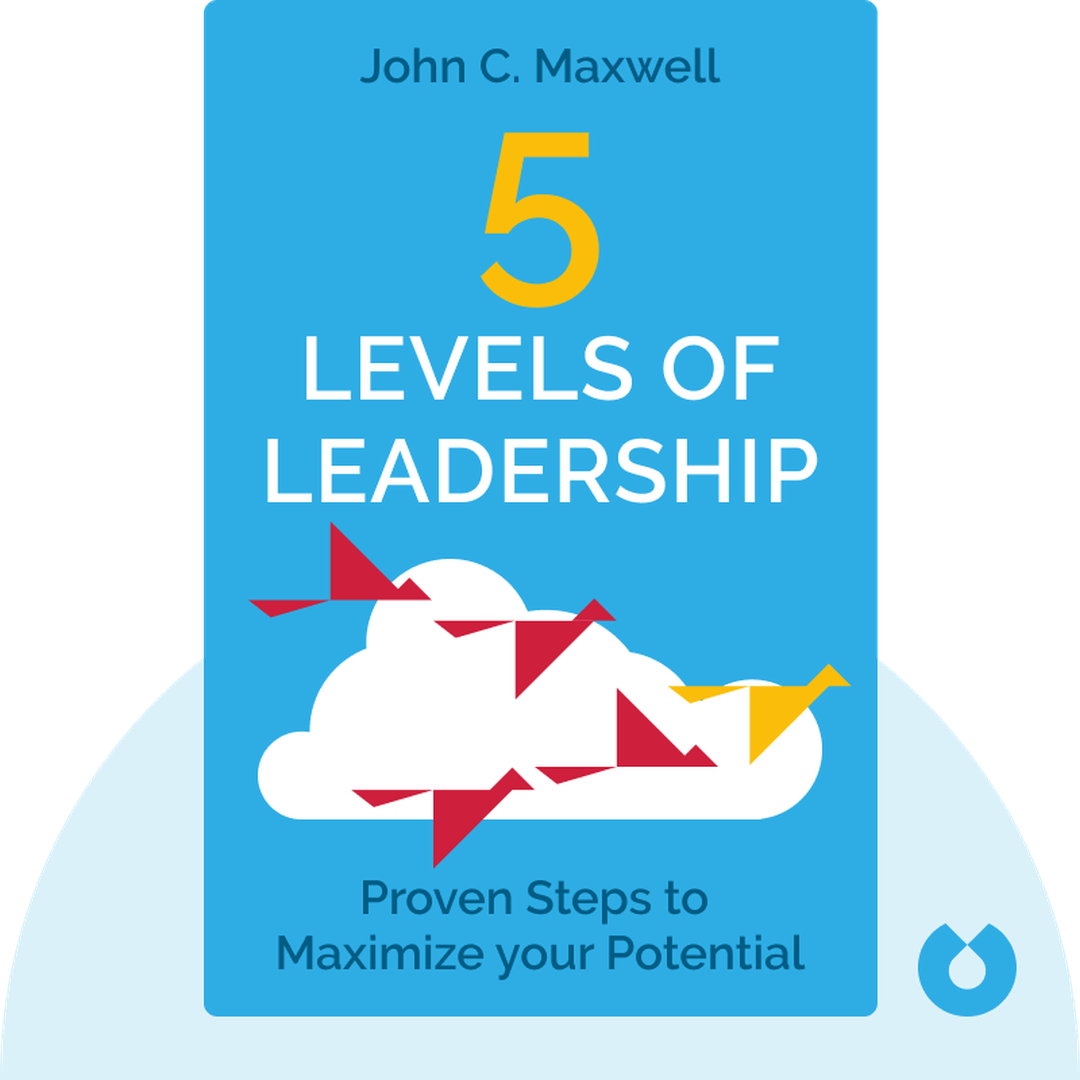
How Successful People Lead (2013) explores the five distinct levels of leadership and how individuals can progress through each stage to become more effective and influential leaders. It outlines practical strategies for building strong relationships, developing others, and creating lasting impact within organizations. By understanding and applying these leadership principles, you can learn how to inspire greater trust, drive team performance, and achieve long-term success.
Who Should Listen to How Successful People Lead?
- New leaders looking for practical advice on how to be effective
- Those hoping to grow into positions of leadership and want to hit the ground running
- Anyone looking to develop and cultivate their leadership skills
Books Similar to How Successful People Lead
Readers who enjoyed this also liked these titles.