If You're Curious About These Questions...
You should listen to this audiobook
- Have you ever wondered why the 'crises' dominating the headlines often feel so disconnected from the actual anxieties you face every single day?
- Did you know that global polling data reveals a surprising truth: what citizens around the world truly fear is often the exact opposite of what experts and policymakers are preparing for?
- What if the secret to preventing the next major social upheaval lies not in expert projections, but in the quiet, everyday concerns that the media is currently overlooking?
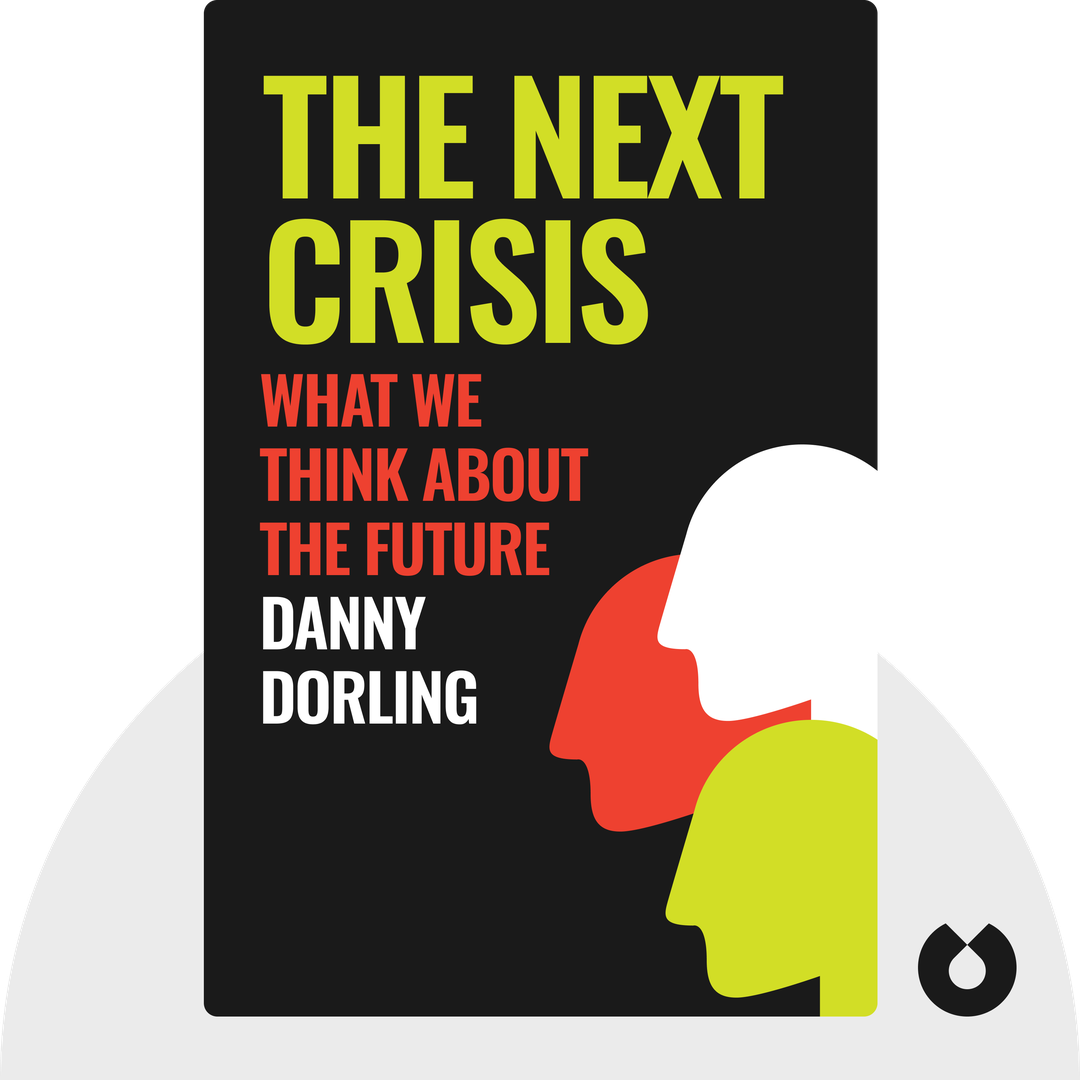
Listen to The Next Crisis — Free Audiobook
Loading player...
Key Takeaways from The Next Crisis
- Discover why expert predictions often overlook real-world concerns, and learn why paying attention to the everyday anxieties of ordinary people leads to better, shared solutions.
- Understand how the modern obsession with the word 'crisis' is fueled by a competitive media environment and shifting perceptions, rather than an actual increase in global disasters.
- Explore why the rising cost of living consistently tops global anxiety charts, and uncover the harsh wealth inequalities masked by optimistic poverty statistics.
- Learn how widespread anxieties about low-paying, insecure jobs frequently turn immigrants into unjust scapegoats for deeper systemic economic hardships.
- Master the ability to separate genuine threats from exaggerated, media-driven fears so you can respond to today's anxiety-inducing headlines with calm, constructive action.
Learning Tools
Reinforce what you learned from The Next Crisis
Mind Map
The Next Crisis
Obsession with Crisis+
Economic Pressures+
Safety & Social Support+
Environmental Realities+
Quiz — Test Your Understanding
Question 1 of 8
According to the text, why has the use of the word 'crisis' steadily increased in books and media since the 1960s?
Question 2 of 8
What does the gap between the 2022 World Economic Forum predictions and everyday public concern illustrate?
Question 3 of 8
According to the book, what is the primary reason behind the reported dramatic fall in global poverty since the 1960s?
Question 4 of 8
Why do fears about immigration and job scarcity persist, despite evidence showing immigrants do not reduce overall job availability?
Question 5 of 8
How do politicians sometimes exploit public anxieties about war and terrorism?
Question 6 of 8
What does the text highlight as a major cause of dropping life expectancy for certain groups in developed nations like the US and the UK?
Question 7 of 8
Why has the United Nations’ Intergovernmental Panel on Climate Change (IPCC) recently adjusted its messaging?
Question 8 of 8
Why does biodiversity loss often fail to top the public's list of global concerns?
The Next Crisis — Full Chapter Overview
- 1Recommendation
- 2Our crisis obsession defines how we see.
- 3Surging living costs top global worries.
- 4Jobs and migration mould our common future.
- 5War, violence, and the fight for safety.
- 6Fears about health, aging, and social support.
- 7Climate worry confronts real-world skepticism.
- 8Biodiversity decline mirrors our priorities and fears.
The Next Crisis Summary & Overview
The Next Crisis (2025) analyzes global polling data to reveal what people around the world worry about each month and contrasts these concerns with prevailing media and policy narratives. It shows how everyday pressures – such as cost of living, employment, immigration, distant wars, corruption, and climate change – shape public sentiment and often diverge from expert projections. It argues for aligning policy priorities with the real anxieties of citizens rather than overemphasizing unlikely threats.
Who Should Listen to The Next Crisis?
- Concerned policymakers shaping responsive social agendas
- Insightful journalists analyzing global public sentiment trends
- Anyone interested in societal anxieties worldwide
Books Similar to The Next Crisis
Readers who enjoyed this also liked these titles.