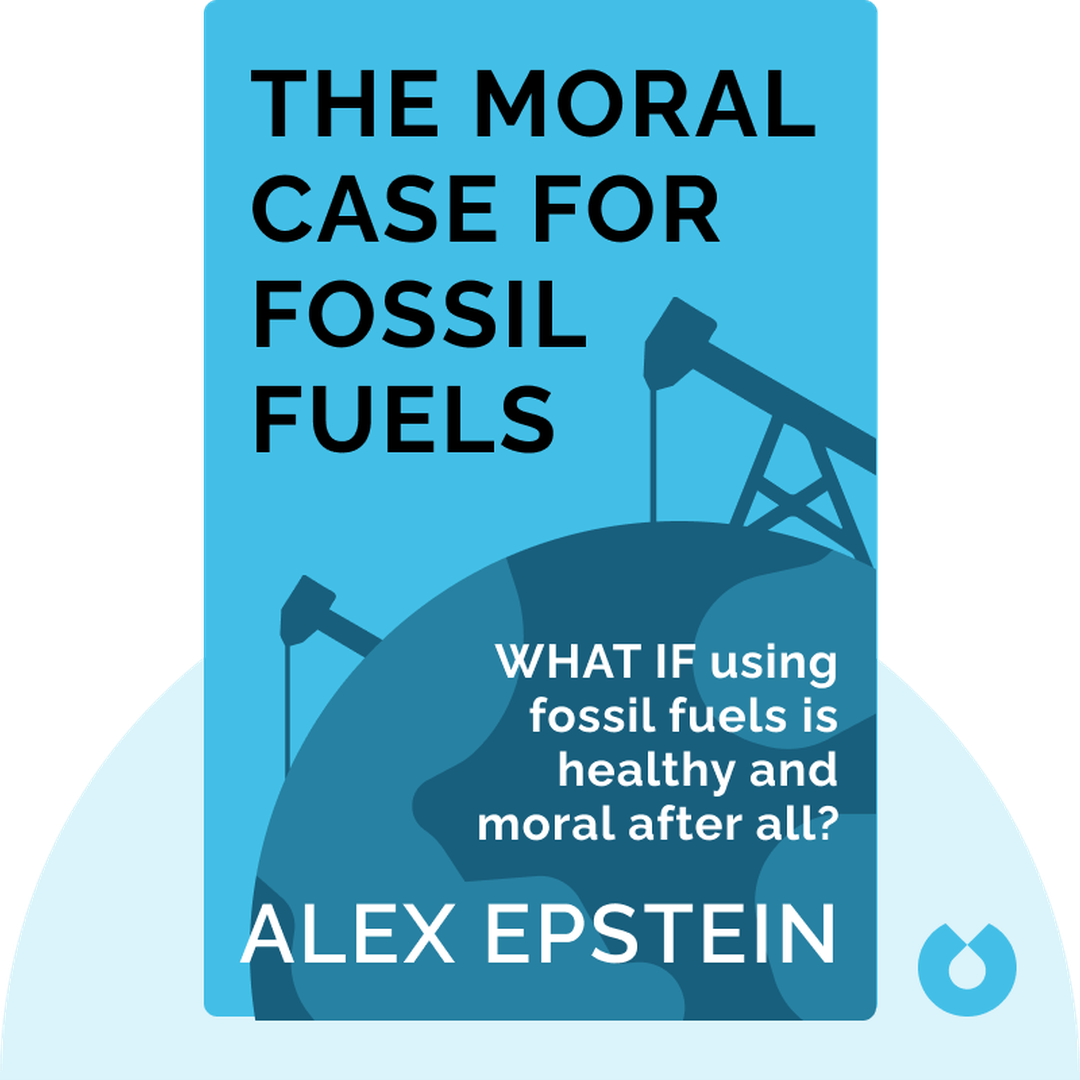
The Moral Case for Fossil Fuels
Start ListeningDownload Try free on iPhoneScan to start in 5 seconds
Categories:
If You're Curious About These Questions...
You should listen to this audiobook
- Have you ever wondered why fossil fuels might actually be the most moral choice for humanity’s progress and well-being?
- Did you know that the use of fossil fuels has played a counterintuitive role in making our natural environment safer and more livable?
- What if the energy sources we are often told to avoid are actually the secret to a cleaner and more prosperous future?
Listen to The Moral Case for Fossil Fuels — Free Audiobook
Loading player...
Key Takeaways from The Moral Case for Fossil Fuels
- Discover how fossil fuels have revolutionized modern agriculture and curbed global malnutrition through the use of methane-based fertilizers and oil-powered mechanization.
- Learn why climate-related deaths have plummeted by 99.4 percent since 1932, thanks to fossil-fuel-powered technologies that help us build durable structures and master extreme weather.
- Understand the current limitations of green energy sources like wind and solar, which remain too expensive and unreliable to immediately replace cheap and plentiful fossil fuels.
- Explore the contrarian perspective that mild global warming and carbon emissions actually benefit the environment by making the planet more fertile for growing crops.
- Find out why fossil fuels offer a sustainable energy source with reserves expected to last another 3,050 years, giving humanity ample time to develop new extraction methods or future technologies.
Learning Tools
Reinforce what you learned from The Moral Case for Fossil Fuels
Mind Map
The Moral Case for Fossil Fuels
Human Prosperity & Agriculture+
Mitigating Risks+
Environmental & Climate Impact+
Sustainability & Alternatives+
Quiz — Test Your Understanding
Question 1 of 6
Why does the author argue that fossil fuels are currently superior to 'green' energy sources like solar and wind?
Question 2 of 6
According to the text, how have fossil fuels specifically helped to combat global malnutrition?
Question 3 of 6
What historical example does the author use to illustrate that the risks of energy sources can be mitigated by human innovation?
Question 4 of 6
How does the author respond to the argument that fossil fuels make the world more dangerous due to extreme weather?
Question 5 of 6
Why does the author argue that biomass and hydroelectric power are currently inadequate replacements for fossil fuels globally?
Question 6 of 6
What does the author claim about the long-term availability of fossil fuels?
The Moral Case for Fossil Fuels — Full Chapter Overview
- 1Recommendation
- 2The Question at the Farmers’ Market
- 3Energy as the Power to Live
- 4The Greatest Energy Technology
- 5Climate, Greenhouses, and Fertilizer
- 6The Energy Effect and Climate Mastery
- 7Improving the Human Environment
- 8Risks, Pollution, and Fallacies
- 9Sustainability and the Future
- 10The Moral Case and the Cultural Battle
The Moral Case for Fossil Fuels Summary & Overview
In The Moral Case for Fossil Fuels, author Alex Epstein explores the benefits of fossil fuels such as coal, natural gas and oil. The book outlines the dramatic and positive effects using such fuels has had on society and examines the many myths associated with fossil fuels. Importantly, using fossil fuels is a moral decision in that their benefits to humanity outweigh any of today’s environmental concerns.
Who Should Listen to The Moral Case for Fossil Fuels?
- Anyone interested in environmental issues or climate change
- Anyone baffled by the conflicting information over the effects of climate change
- Anyone concerned about the future of the energy sector
Books Similar to The Moral Case for Fossil Fuels
Readers who enjoyed this also liked these titles.