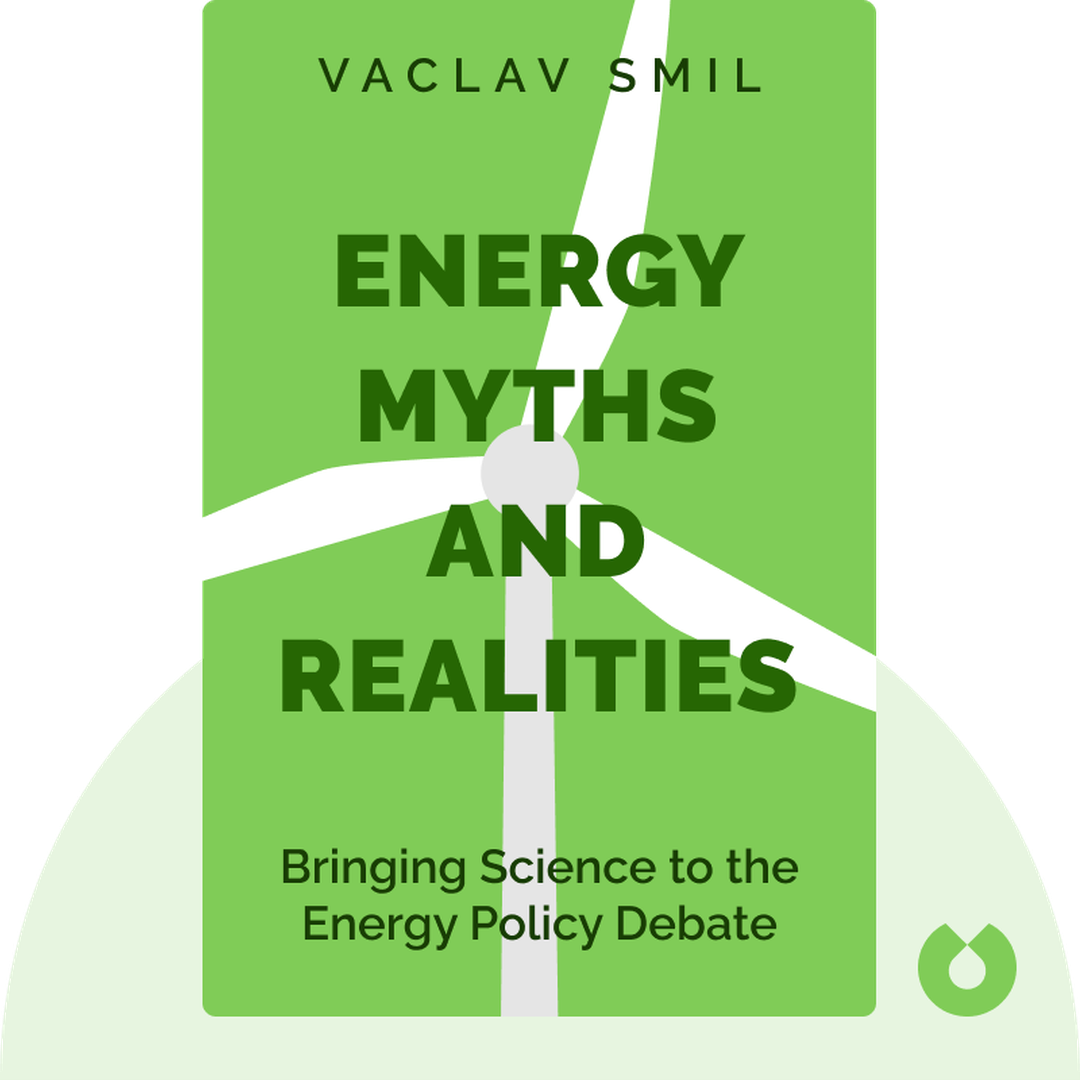
Energy Myths and Realities
Start ListeningDownload Try free on iPhoneScan to start in 5 seconds
Categories:
If You're Curious About These Questions...
You should listen to this audiobook
- Have you ever wondered why the catastrophic 'peak oil' crisis we’ve been warned about for decades has yet to arrive?
- Did you know that some of our most celebrated 'green' energy solutions might actually be less efficient and more problematic than the fossil fuels they aim to replace?
- Are you curious about why global energy transitions take much longer than politicians promise, and what that really means for our planet’s future?
Listen to Energy Myths and Realities — Free Audiobook
Loading player...
Key Takeaways from Energy Myths and Realities
- Understand why 'peak oil' theories predicting the end of industrial civilization are scientifically unfounded due to vastly underestimated oil reserves and natural market shifts in global demand.
- Discover why carbon sequestration is a costly and inefficient strategy for tackling global warming that carries severe environmental risks and hazardous storage limitations.
- Learn why replacing crude oil with biofuels on a massive scale is unfeasible, as it would require up to 40 percent of the world's cultivated land and dangerously compete with global food supplies.
- Find out why wind energy struggles to become a dominant global power source, limited by the immense land requirements of ground turbines and the logistical nightmare of harnessing high-altitude jetstreams.
- Recognize the critical importance of prioritizing immediate fuel efficiency improvements and better resource management in current transportation systems rather than waiting for unrealistic alternative energy miracles.
Learning Tools
Reinforce what you learned from Energy Myths and Realities
Mind Map
Energy Myths and Realities
The Global Energy Debate+
Myth: Peak Oil+
Myth: Carbon Sequestration+
Myth: Biofuels+
Myth: Wind Energy+
Reality: The Pace of Change+
Reality: Sensible Energy Policy+
Quiz — Test Your Understanding
Question 1 of 7
Why does the author argue that 'peak oil' theories are fundamentally flawed?
Question 2 of 7
What is identified as a major physical risk of underground carbon sequestration?
Question 3 of 7
According to the text, what is a primary obstacle to replacing crude oil with plant-based biofuels on a massive scale?
Question 4 of 7
Despite its massive global energy potential, why is wind energy difficult to rely on as a dominant, worldwide power source?
Question 5 of 7
What rule of thumb does the author suggest regarding the adoption of new energy innovations?
Question 6 of 7
Why does the author suggest being skeptical of the oil and gas industry's heavy lobbying for carbon sequestration?
Question 7 of 7
According to the author, what core maxim should guide global energy policy decisions?
Energy Myths and Realities — Full Chapter Overview
- 1Recommendation
- 2Civilization isn’t on the brink; peak oil doomsday theories lack evidence.
- 3Carbon sequestration is a costly, inefficient, and risky response to global warming.
- 4Replacing crude oil with biofuel is neither practical nor efficient.
- 5Wind energy is too difficult to harness as a global power source.
- 6Be patient: new energy innovations take decades to be adopted.
- 7Energy policy should be objective and prioritize preventing environmental damage.
- 8Final summary
Energy Myths and Realities Summary & Overview
These blinks provide an objective, science-based look into the global energy debate that is so often dominated by the misleading rhetoric of politicians, industry leaders and activists.
Who Should Listen to Energy Myths and Realities?
- Anyone who is concerned about “peak oil“ and the global energy supply
- Anyone who wants to get some scientific facts that affect the global energy debate
- Anyone who wants to critically examine biofuel and wind as alternative energy sources
Books Similar to Energy Myths and Realities
Readers who enjoyed this also liked these titles.