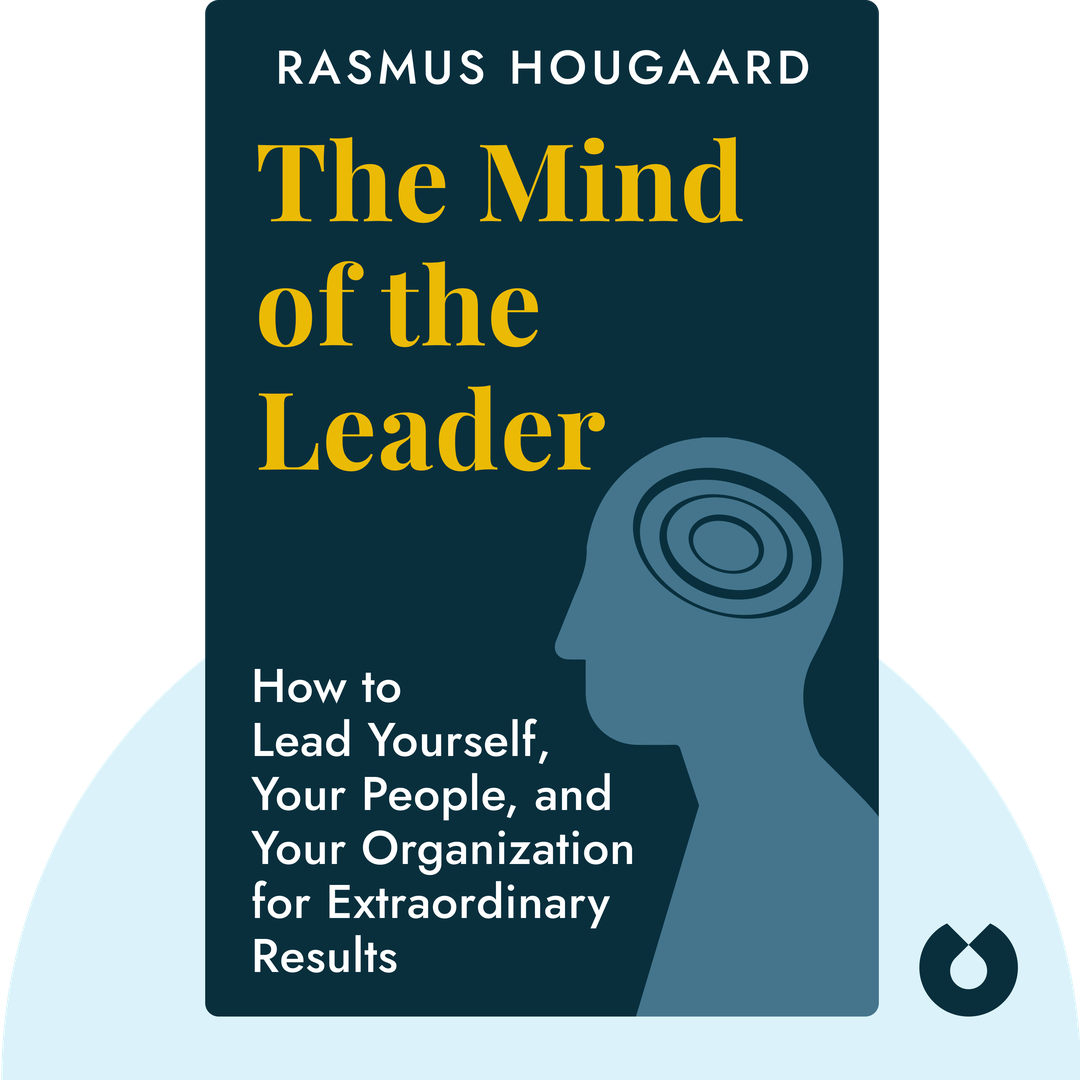
The Mind of the Leader
Start ListeningDownload Try free on iPhoneScan to start in 5 seconds
Categories:
If You're Curious About These Questions...
You should listen to this audiobook
- Did you know that the secret to extraordinary leadership in the 21st century lies in mastering three specific internal qualities that most managers completely overlook?
- What if you could harness the power of neuroscience to remain calm, focused, and present in the face of constant workplace distractions?
- Have you ever wondered why leading with compassion—rather than just authority—is actually the most effective way to drive hard results and employee engagement?
Listen to The Mind of the Leader — Free Audiobook
Loading player...
Key Takeaways from The Mind of the Leader
- Discover the three unexpected mindsets—mindfulness, selflessness, and compassion—that over 35,000 successful executives use to lead effectively.
- Learn how to cultivate mindfulness to manage high-pressure stress, enhance your emotional intelligence, and respond to challenges skillfully rather than impulsively.
- Understand why setting aside your ego to practice selflessness is crucial for fostering an environment of deep trust, shared purpose, and collective success.
- Find out how practicing self-compassion and treating yourself like a friend eliminates counterproductive perfectionism and creates a safe space where your team can thrive.
- Master the three interconnected levels of leadership by realizing that guiding a team and an entire organization must fundamentally start from the inside out through self-leadership.
Learning Tools
Reinforce what you learned from The Mind of the Leader
Mind Map
The Mind of the Leader
Core Philosophy+
Mindfulness+
Selflessness+
Compassion+
Three Levels of Leadership+
Quiz — Test Your Understanding
Question 1 of 6
According to the researchers at The Potential Project, what unexpected common thread was discovered among the world's most successful leaders?
Question 2 of 6
How does mindfulness primarily benefit leaders when they are facing challenging or high-pressure situations?
Question 3 of 6
Based on the text, what does selflessness in leadership entail?
Question 4 of 6
Why does the text argue that a compassionate leader must first practice self-compassion?
Question 5 of 6
What are the three interconnected levels of effective leadership described in the 'Self-leading' section?
Question 6 of 6
Which of the following best summarizes the 'inside-out' approach to leadership mentioned in the book?
The Mind of the Leader — Full Chapter Overview
- 1Recommendation
- 2The Leadership Crisis No Perk Can Fix
- 3The Three Qualities of MSC Leadership
- 4Leading Yourself Begins with Seeing Yourself
- 5Focus Is the New Leadership Currency
- 6Ego, Humility, and the Trap of Success
- 7Self-Compassion Is Not Self-Indulgence
- 8Understanding People Beyond Bias and Emotion
- 9Presence, Trust, and the Power of Being Fully There
- 10Serving, Letting Go, and Making Others Shine
- 11Compassion That Is Strong Enough to Make Hard Calls
- 12Building Mindful, Selfless, and Compassionate Organizations
The Mind of the Leader Summary & Overview
The Mind of the Leader (2018) explores how leaders can cultivate critical inner capacities like mindfulness, selflessness, and compassion to become more effective guides. Supported by research conducted by The Potential Project, it draws on psychology, neuroscience, and case studies of global organizations to provide science-based tools for strengthening these core leadership skills.
Who Should Listen to The Mind of the Leader?
- Managers looking to improve their leadership skills
- Emerging leaders
- Entrepreneurs and founders wanting to develop a purpose-based leadership approach
Books Similar to The Mind of the Leader
Readers who enjoyed this also liked these titles.