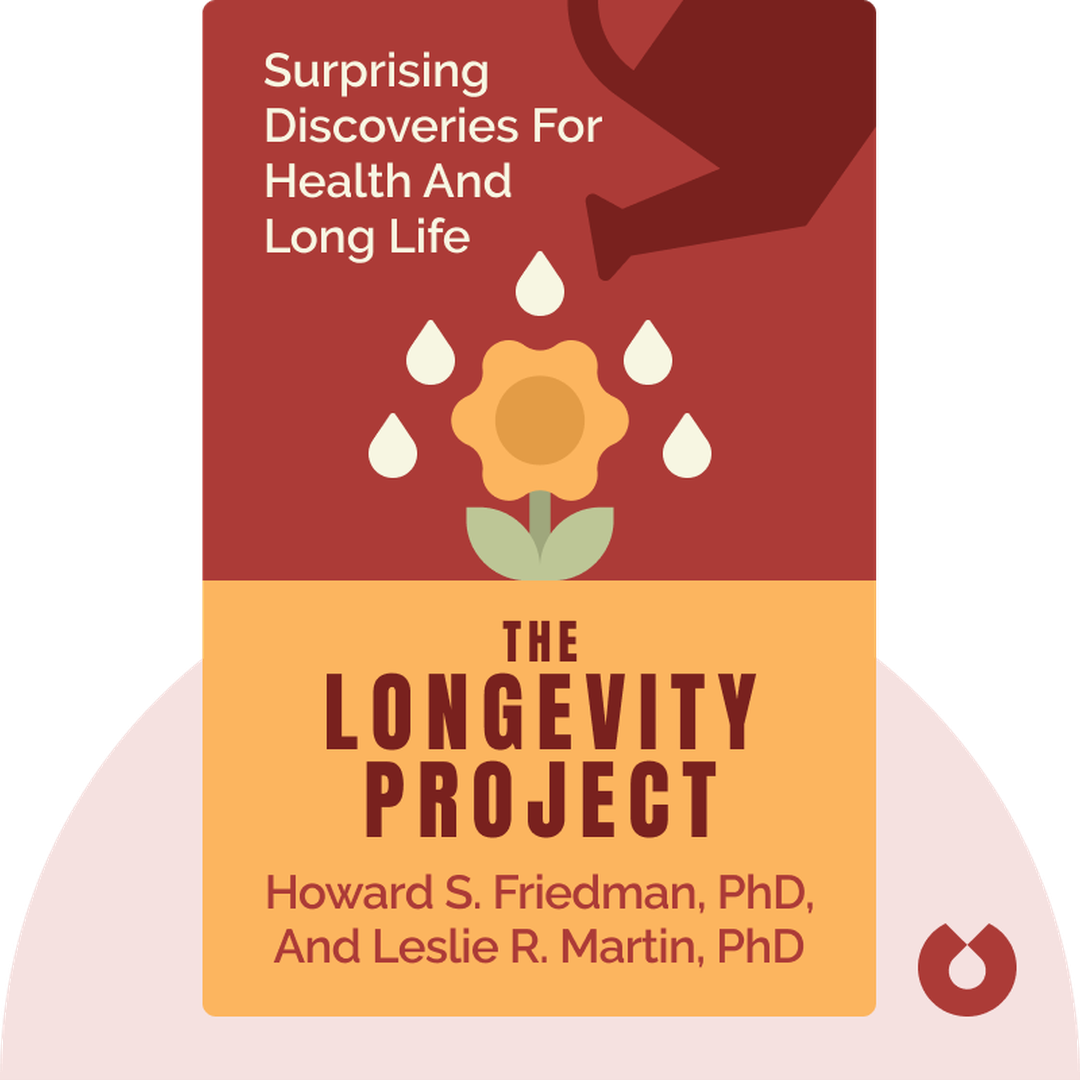
If You're Curious About These Questions...
You should listen to this audiobook
- Did you know that the secret to a longer life might lie in a specific personality trait rather than your gym routine?
- Have you ever wondered why marriage isn’t always the health-boosting milestone it’s made out to be?
- What if the most common health advice you’ve heard is actually contradicted by eight decades of real-world data?
Listen to The Longevity Project — Free Audiobook
Loading player...
Key Takeaways from The Longevity Project
- Discover why conscientiousness is a primary indicator of a long, healthy life. Understand how developing careful, goal-oriented habits leads to healthier choices, better brain chemistry, and stronger relationships.
- Understand the crucial difference between cheerfulness and true happiness. Learn why naturally cheerful people often take more health risks, whereas true longevity comes from integrating healthy habits and strong social bonds into your daily routine.
- Find out how parental divorce during childhood can negatively impact a person's lifespan by up to five years. Discover how cultivating resilience and a sense of life satisfaction in young adulthood can successfully overcome this setback.
- Learn why marriage impacts a man's life expectancy significantly more than a woman's. Discover how men who stay in long-term marriages are far more likely to live into their seventies compared to those who remain single or get divorced.
- Realize that it is never too late to change your longevity trajectory. Discover how shifting your behavior to become more detail-oriented and conscientious later in life can still drastically improve your chances of reaching old age.
Learning Tools
Reinforce what you learned from The Longevity Project
Mind Map
The Longevity Project
The Terman Study+
Conscientiousness+
Cheerfulness vs. Happiness+
Marriage and Gender+
Divorce and Resilience+
Religion and Social Connections+
Paths to Longevity+
Actionable Advice+
Quiz — Test Your Understanding
Question 1 of 7
According to the Terman Study, which personality trait is one of the best indicators of a long and healthy life?
Question 2 of 7
What surprising discovery did researchers make regarding participants who were highly cheerful as children?
Question 3 of 7
Based on the book's findings, what is the strongest social indicator of an early death for children?
Question 4 of 7
How does marriage generally affect the life expectancy of men compared to women?
Question 5 of 7
According to the book, what is the primary reason that religious faith can have a positive effect on longevity?
Question 6 of 7
What do the 'high road' and the 'road less traveled' approaches to longevity have in common?
Question 7 of 7
What actionable advice does the book offer regarding 'catastrophic thoughts'?
The Longevity Project — Full Chapter Overview
- 1Recommendation
- 2Conscientiousness is a trait that helps guarantee a long life.
- 3Don’t confuse cheerfulness with happiness; it truly comes from positive lifestyle choices.
- 4When parents divorce, their children must be resilient in order to counter the negative, lasting impacts.
- 5Men’s lifespans are influenced more by marriage and divorce than women’s.
- 6For living a long life, being religious truly matters less than having strong social connections.
- 7Many different paths lead to a long life, and by following a few simple guidelines you can craft your own.
The Longevity Project Summary & Overview
The Longevity Project (2012) is about the impressive and revealing Terman Study, which followed a group of people for eight decades in order to find out what habits and practices helped them live long and healthy lives. These blinks explain why marriage might not be as healthy as you think, and what you can do to improve your chances of happiness and longevity.
Who Should Listen to The Longevity Project?
- People who want to live longer
- Anyone tired of standard health advice
- Students of medicine and psychology
Books Similar to The Longevity Project
Readers who enjoyed this also liked these titles.