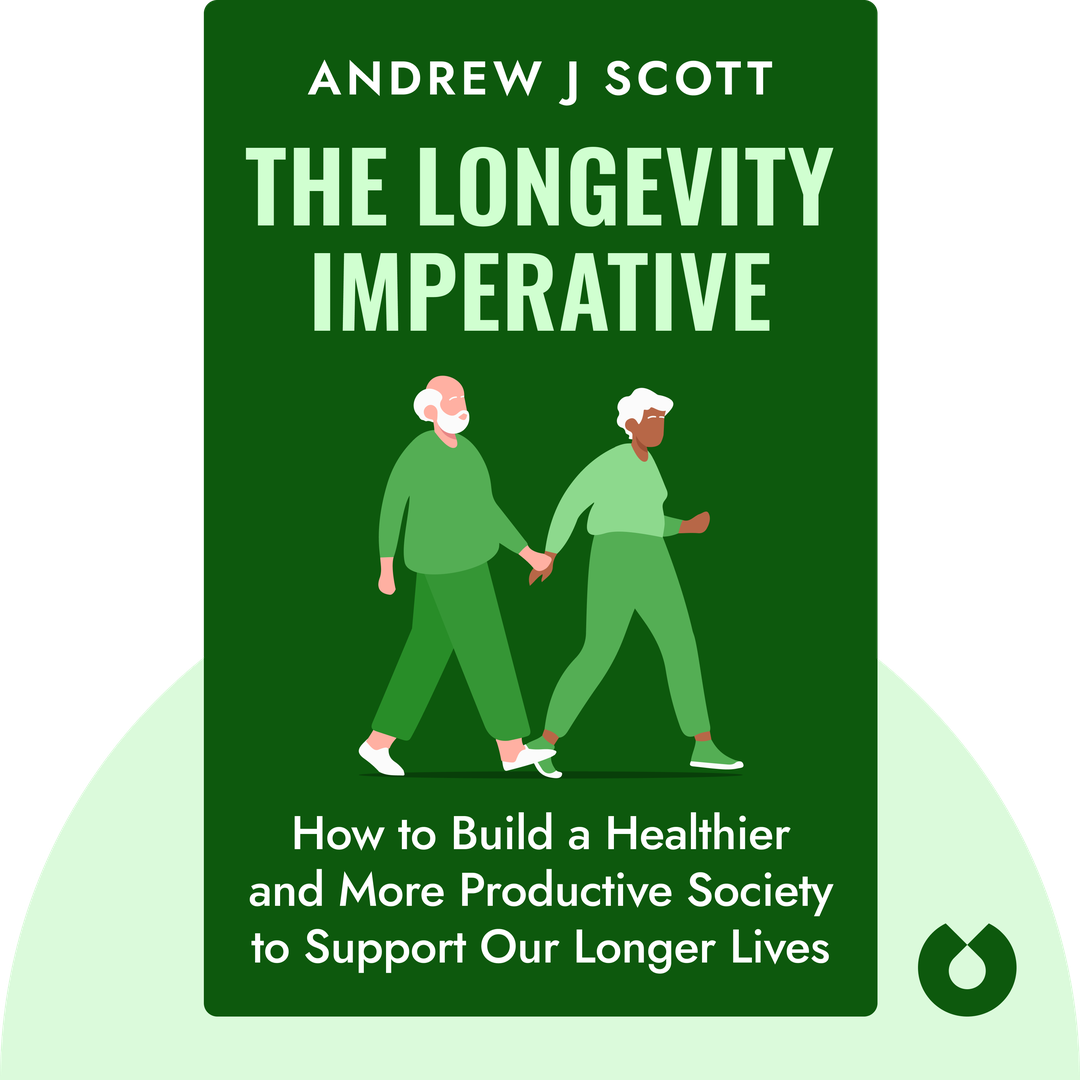
The Longevity Imperative
Start ListeningDownload Try free on iPhoneScan to start in 5 seconds
Categories:
If You're Curious About These Questions...
You should listen to this audiobook
- What if the traditional “three-stage life” of education, work, and retirement is actually the biggest obstacle to your future happiness and financial security?
- Have you ever wondered why we focus so much on living longer, but so little on how to ensure those extra decades are spent in peak health and productivity?
- Did you know that a “longevity revolution” is already underway, and it’s about to change everything from your career path to the very structure of our global economy?
Listen to The Longevity Imperative — Free Audiobook
Loading player...
Key Takeaways from The Longevity Imperative
- Discover the concept of an 'evergreen agenda' and learn how to remain engaged, productive, and purposeful throughout your extended lifespan.
- Understand why you must shift your focus from lifespan to healthspan, prioritizing the quality of your healthy years rather than just the number of years lived.
- Learn how to treat aging as a malleable process, using proactive daily habits to prevent decline and compress periods of frailty to the very end of your life.
- Find out how the emerging field of geroscience is shifting the medical focus from merely treating diseases to actually preventing aging itself through early interventions.
- Master the strategies for extending your career and financial security by embracing lifelong learning, planning mid-career shifts, and utilizing flexible work setups.
Learning Tools
Reinforce what you learned from The Longevity Imperative
Mind Map
The Longevity Imperative
The Longevity Society+
Healthspan vs. Lifespan+
Career & Financial Security+
Meaning & Purpose+
Systemic Overhaul+
Quiz — Test Your Understanding
Question 1 of 6
What is the primary difference between 'lifespan' and 'healthspan' as described in the book?
Question 2 of 6
According to the text, what is the most practical strategy for dealing with the economic challenges of a longer life?
Question 3 of 6
How does the author suggest the healthcare system needs to change to support a longevity society?
Question 4 of 6
What point is made using Jorge Luis Borges's story 'The Immortal'?
Question 5 of 6
What demographic trend often corresponds with longer life expectancies, and how does the book suggest society address it?
Question 6 of 6
What is required for extended longevity to be a shared opportunity rather than a source of societal friction?
The Longevity Imperative — Full Chapter Overview
- 1Recommendation
- 2Rethinking aging in an era of longer lives
- 3From lifespan to healthspan – focusing on healthy aging
- 4Lengthening your career and protecting your financial security
- 5Longevity needs purpose to truly matter
- 6Healthy aging is essential to a fulfilling future
- 7Final summary
The Longevity Imperative Summary & Overview
The Longevity Imperative (2024) explores how individuals and societies can adapt to the changes brought about by longer life expectancies. It highlights the need for substantial transformations in health care, the economy, and social systems to ensure that longer lives aren’t just lived but are healthier, happier, and more productive. By rethinking how you approach your career, relationships, and finances, it offers a roadmap for embracing the opportunities of an extended lifespan and creating a society prepared for the longevity revolution.
Who Should Listen to The Longevity Imperative?
- Older workers seeking career and financial planning advice
- Young professionals preparing for healthier, longer life spans
- Policymakers and caregivers shaping longevity-focused societal change
Books Similar to The Longevity Imperative
Readers who enjoyed this also liked these titles.