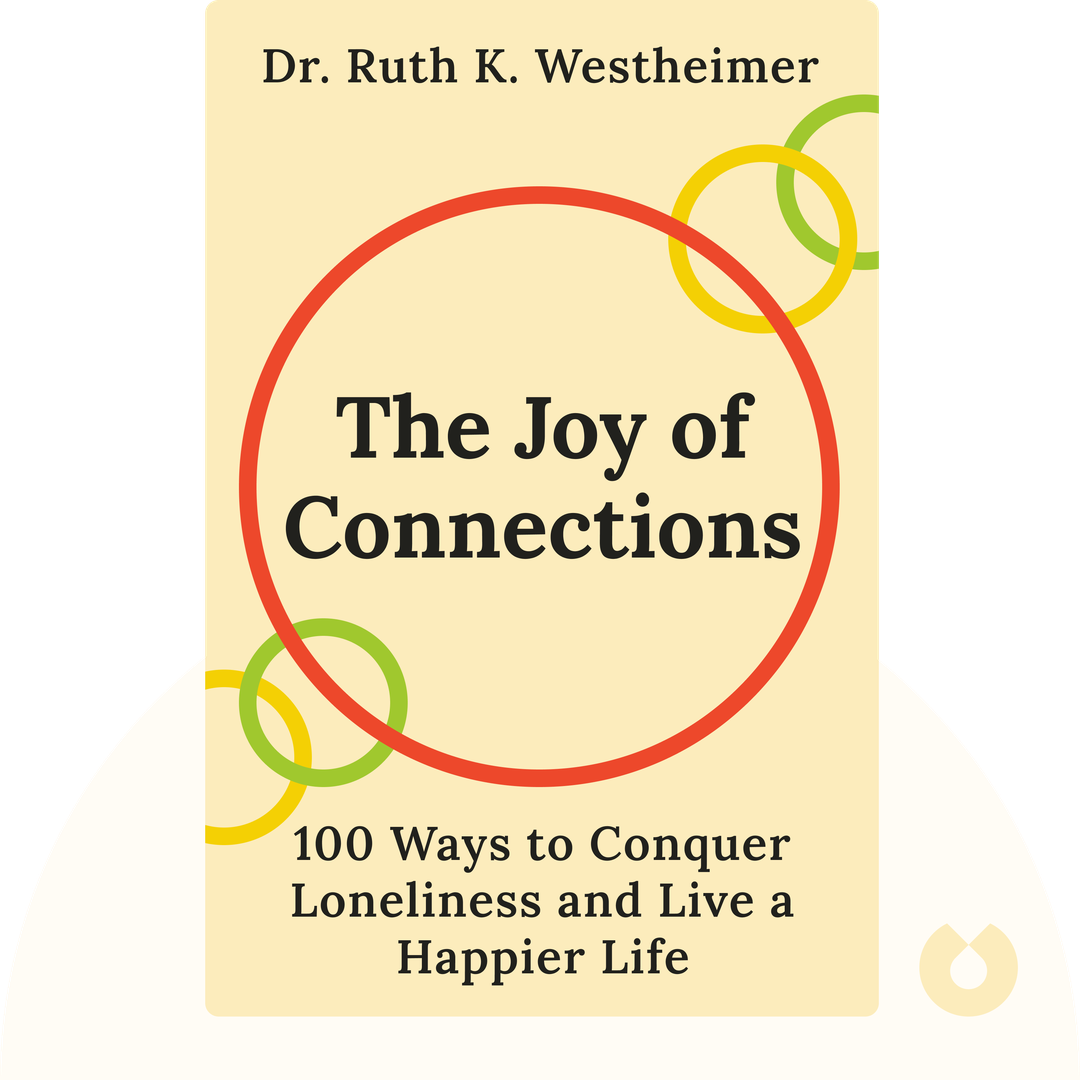
The Joy of Connections
Start ListeningDownload Try free on iPhoneScan to start in 5 seconds
Categories:
If You're Curious About These Questions...
You should listen to this audiobook
- Did you know that there is a 'Menu for Connection' that can help you systematically replace loneliness with genuine companionship?
- What if you could master 100 simple, actionable strategies to turn even the briefest social encounter into a meaningful bond?
- Have you ever wondered how to balance your digital life with real-world intimacy to finally achieve a true sense of belonging?
Listen to The Joy of Connections — Free Audiobook
Loading player...
Key Takeaways from The Joy of Connections
- Discover how to treat human connection like a curated menu—starting with yourself, then family, community, and technology—to prioritize relationship quality over quantity.
- Understand why genuine connection begins with self-awareness, and learn how prioritizing self-care and embracing your differences prepares you for deeper intimacy with others.
- Learn how to actively mend and nurture family ties, whether biological or chosen, by taking the initiative to forgive elders, listen deeply, and organize shared activities.
- Find out how to naturally distance yourself from draining acquaintances and proactively curate a new social circle of inspiring people who align with your values.
- Master proactive friendship-building strategies, from using simple everyday props to spark conversations to investing the 200 hours required to forge a best friendship.
Learning Tools
Reinforce what you learned from The Joy of Connections
Mind Map
The Joy of Connections
Understanding Loneliness+
Self-Care & Mindset+
Family Bonds+
Friendships & Romance+
Community Engagement+
Technology Balance+
Monthly Connection Guide+
Quiz — Test Your Understanding
Question 1 of 10
How does Dr. Ruth define loneliness?
Question 2 of 10
What does Dr. Ruth suggest as an effective first step to confront feelings of loneliness directly?
Question 3 of 10
When trying to socialize and form new connections, what type of environment does the book recommend?
Question 4 of 10
What specific strategy does Dr. Ruth recommend for sharing your feelings of isolation within your family?
Question 5 of 10
How did Dr. Ruth use optimism as a child during the Holocaust to maintain resilience?
Question 6 of 10
What is the book's perspective on finding a 'best friend'?
Question 7 of 10
What unconventional method does the text suggest to help create a connection with a neighbor?
Question 8 of 10
How long does the book suggest you should spend in a new conversation to allow shared interests to emerge?
Question 9 of 10
Why does the book recommend making a phone call rather than just sending text messages?
Question 10 of 10
According to the monthly tips, what is recommended for Valentine's Day in February if the holiday feels difficult?
The Joy of Connections — Full Chapter Overview
- 1Recommendation
- 2First, care for yourself well
- 3Rebuilding and sustaining family bonds
- 4Cultivating friendships and romance with patience and care
- 5Discover belonging by engaging with your community
- 6Balancing technology with real-life relationships
- 7Monthly tips to foster meaningful connections
The Joy of Connections Summary & Overview
The Joy of Connections (2024) is a practical guide designed to help people overcome loneliness and build meaningful relationships. It offers 100 actionable strategies based on a unique framework called the “Menu for Connection,” which emphasizes nurturing relationships with yourself, family, friends, and community, and the mindful use of technology. It highlights the importance of human connection in fostering companionship and intimacy.
Who Should Listen to The Joy of Connections?
- People struggling with loneliness and seeking meaningful connections
- Introverts aiming to improve their social interactions and engagement
- Anyone who wants to expand their social circles and friendships
Books Similar to The Joy of Connections
Readers who enjoyed this also liked these titles.