If You're Curious About These Questions...
You should listen to this audiobook
- Did you know that grief isn't just an emotional experience, but a complex biological event that actually reshapes how your brain and body function?
- Have you ever wondered why deep loss can manifest as physical pain, exhaustion, or even 'brain fog'—and what your body is actually trying to tell you during these moments?
- What if you could harness the latest neurobiological insights to develop a more compassionate, effective way to support your physical self through the long journey of mourning?
Listen to The Grieving Body — Cinematic Audio Edition
Loading player...
Key Takeaways from The Grieving Body
- Understand why grief is profoundly physical, driven by your brain's struggle to resolve the mismatch between expecting a loved one's presence and the reality of their absence.
- Discover how your nervous system treats loss as an evolutionary emergency, triggering a prolonged fight-or-flight response that leads to bone-deep fatigue.
- Learn practical somatic techniques to soothe your body, from placing a hand on your heart and naming physical sensations to applying cold water during acute distress.
- Find out how the grieving process fundamentally alters your sleep architecture, reducing both the physical restoration of deep sleep and the emotional processing of REM sleep.
- Explore the biological role of your brain's attachment system and vagus nerve to comprehend why you experience a literal, physical yearning for the person you lost.
Learning Tools
Reinforce what you learned from The Grieving Body
Mind Map
The Grieving Body
Physical Reality of Grief+
The Nervous System's Role+
Systemic Disruptions+
Nurturing Practices+
Rituals & Integration+
Quiz — Test Your Understanding
Question 1 of 7
Why does the brain trigger intense physical reactions, such as a racing heart or nausea, when a loved one is gone?
Question 2 of 7
From an evolutionary perspective, why does grief activate the sympathetic nervous system (the fight or flight response)?
Question 3 of 7
How does grief specifically alter a person's sleep architecture?
Question 4 of 7
Why might food lose its appeal or taste during the grieving process?
Question 5 of 7
What is the physiological benefit of using the 4-7-8 breathing pattern during grief?
Question 6 of 7
How does listening to music at around 60 beats per minute help a grieving body?
Question 7 of 7
According to the text, what is a significant sign that the nervous system is beginning to integrate the loss and heal?
The Grieving Body — Full Chapter Overview
- 1Recommendation
- 2Grief is physical
- 3The grief system
- 4The body under stress
- 5Caring for yourself through grief
- 6Rituals, hope, and healing
- 7Final summary
The Grieving Body Summary & Overview
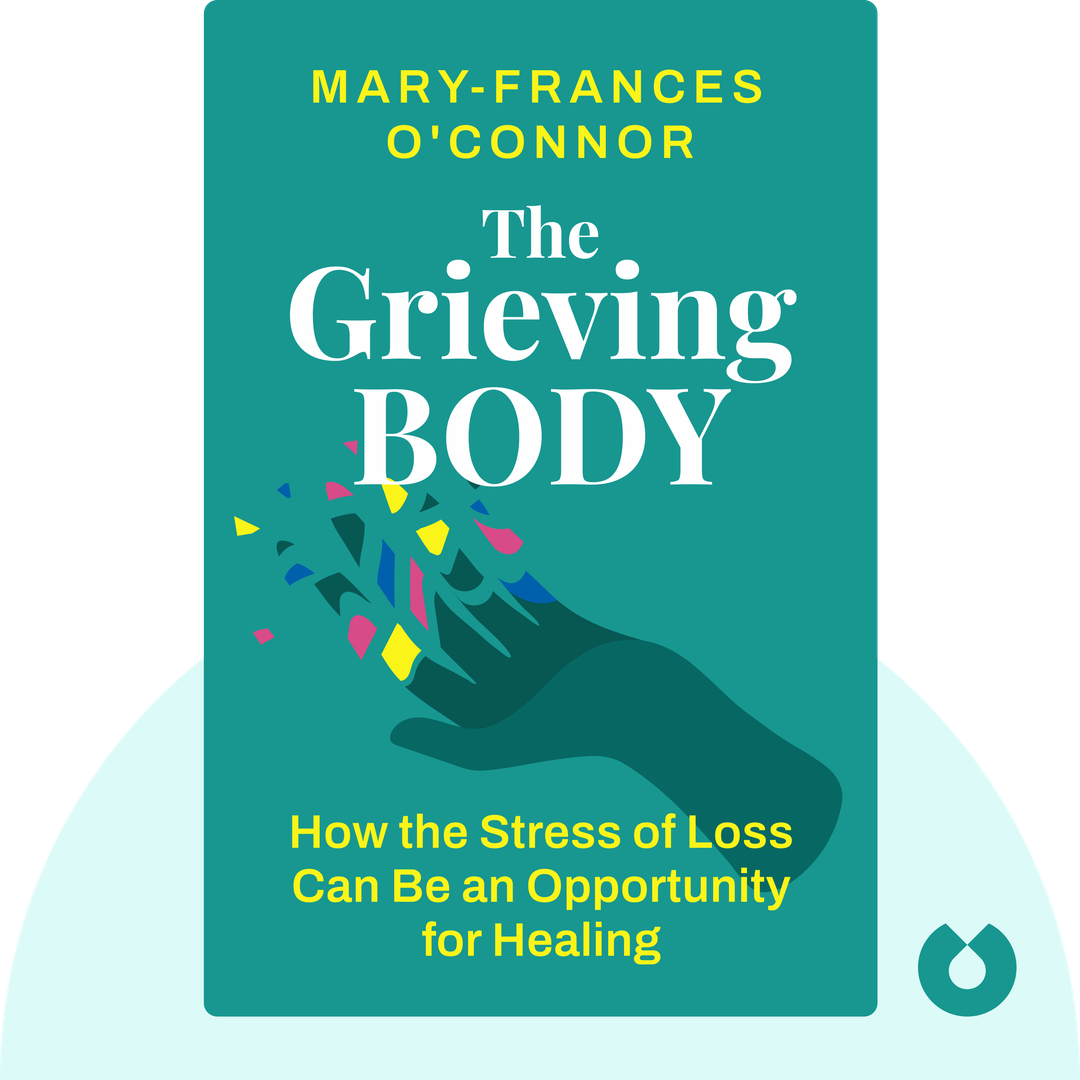
The Grieving Body (2025) explores how bodies physically process loss, revealing the neurobiological underpinnings of grief and mourning. It advocates for developing compassionate, effective strategies that support the body through grief, recognizing that these physical manifestations are a natural part of adapting to loss.
Who Should Listen to The Grieving Body?
- People actively experiencing grief who want to understand their physical symptoms
- Those preparing for an anticipated loss who want to understand what to expect
- Anyone interested in the mind-body connection during emotional challenges
Books Similar to The Grieving Body
Readers who enjoyed this also liked these titles.