If You're Curious About These Questions...
You should listen to this audiobook
- Did you know that your brain might actually be creating physical pain as a way to shield you from emotional distress?
- What if the secret to ending your chronic pain didn't lie in your body, but in understanding how your mind processes stress?
- Have you ever wondered why some chronic symptoms persist even after every medical treatment has failed—and how you can finally break that cycle?
Listen to Mind Your Body — Free Audiobook
Loading player...
Key Takeaways from Mind Your Body
- Understand how chronic pain is often caused by stored trauma and repressed emotions, rather than physical abnormalities like bulging discs.
- Discover why your nervous system triggers physical pain as a fight-or-flight response to distract you from modern emotional stressors.
- Learn how safely releasing the feelings in your overflowing emotional reservoir can permanently disable your body's protective pain signals.
- Identify your automatic avoidance habits and practice acceptance to foster the sense of safety your brain needs to reverse chronic pain.
- Master the daily practices of writing and meditation to systematically process the intense emotional experiences keeping your nervous system dysregulated.
Learning Tools
Reinforce what you learned from Mind Your Body
Mind Map
Mind Your Body
The Mindbody Connection+
Stress and the Nervous System+
Awareness and Acceptance+
The Daily Ritual+
The 28-Day Challenge+
Quiz — Test Your Understanding
Question 1 of 7
According to Dr. John E. Sarno, what is the primary cause of Tension Myoneural Syndrome (TMS)?
Question 2 of 7
How does the nervous system respond when a person's 'emotional reservoir' overflows?
Question 3 of 7
According to the book, what is the role of 'acceptance' in the healing process?
Question 4 of 7
What is the recommended daily structure for the JournalSpeak practice described in the book?
Question 5 of 7
Before beginning a JournalSpeak session, the author suggests listing stressors in which three specific categories?
Question 6 of 7
What does the author recommend doing with your JournalSpeak writing once a session is complete?
Question 7 of 7
During the 28-day challenge, what does it mean if your chronic pain moves to a different part of your body?
Mind Your Body — Full Chapter Overview
- 1Recommendation
- 2Understanding the Mindbody connection
- 3Stress and the nervous system
- 4Change starts with awareness and acceptance
- 5Creating a new daily ritual
- 6Writing to empty the reservoir
- 7Evolving through the 28-day challenge
- 8Final summary
Mind Your Body Summary & Overview
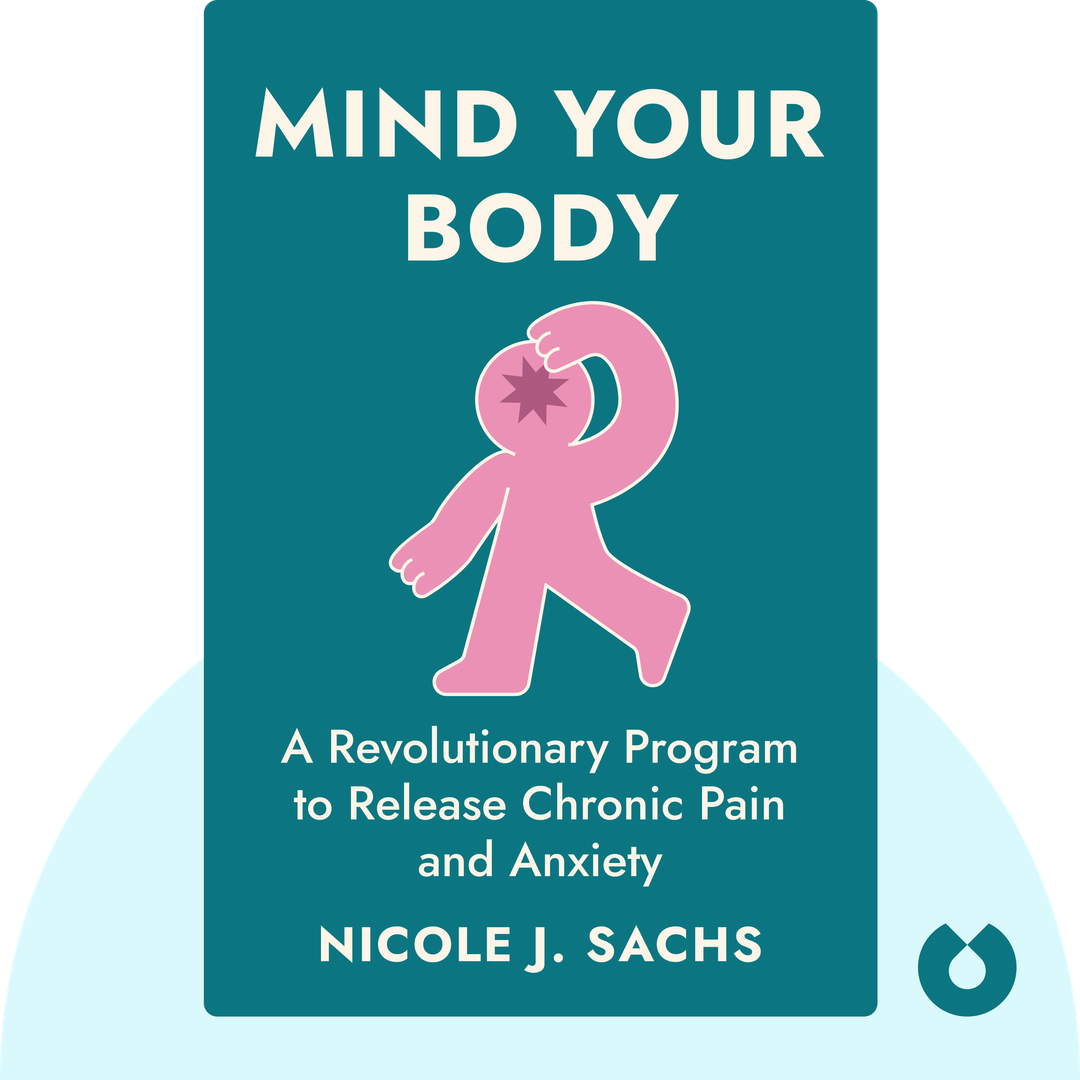
Mind Your Body (2025) reveals the overlooked connection between the mind and body when it comes to chronic pain and other persistent ailments. It shows how our brains, in an attempt to protect us from emotional distress, can trigger very real and painful physical symptoms. It also provides a proven method for escaping this cycle and finding relief once and for all.
Who Should Listen to Mind Your Body?
- Anyone with a chronic ailment
- People hoping to reduce their dependency on medications
- Individuals with an interest in pain management
Books Similar to Mind Your Body
Readers who enjoyed this also liked these titles.