If You're Curious About These Questions...
You should listen to this audiobook
- How do predators use subtle conversational tactics, such as 'forced teaming' and seductive charm, to bypass our natural intuition and gain our trust?
- Why do some victims of chronic domestic abuse lose their innate sense of fear, and how does the cycle of violence mimic a psychological addiction?
- What are the specific psychological clues and universal body language signals that can help you distinguish between an empty, emotion-driven threat and a genuinely dangerous individual?
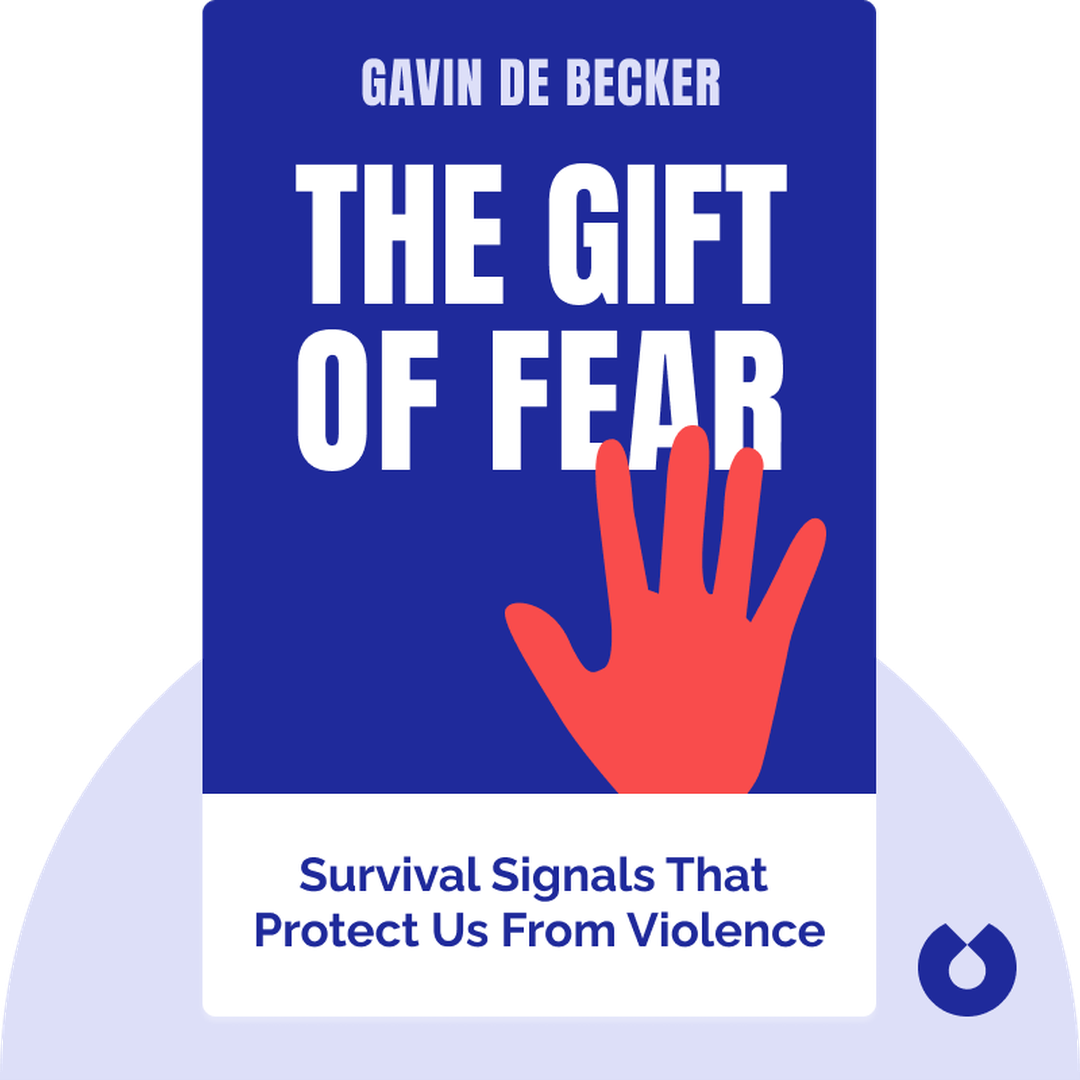
Listen to The Gift of Fear — Cinematic Audio Edition
Loading player...
Key Takeaways from The Gift of Fear
- True fear is a vital survival mechanism that relies on our intuition to detect subtle danger signals before our rational mind can process them.
- Criminals frequently use a deceptive tactic called 'forced teaming,' employing inclusive language like 'we' to manufacture a false sense of trust and lower your guard.
- You can often anticipate imminent violence by recognizing unconscious, universal physical cues such as a jutting chin, flaring nostrils, or an unblinking stare.
- Authentic threats are usually quiet and patient, whereas overly emotional or aggressively loud warnings are often empty bluffs designed to trigger panic and exert control.
- The relief that follows an episode of domestic violence can create a psychological addiction that traps victims and severely dulls their natural fear instincts.
Learning Tools
Reinforce what you learned from The Gift of Fear
Mind Map
The Gift of Fear
The Power of Intuition+
Deceptive Tactics+
Predicting Violence+
Evaluating Threats+
Domestic Violence Dynamics+
Institutional Negligence+
Quiz — Test Your Understanding
Question 1 of 8
What role does the book suggest dreams can play in personal safety?
Question 2 of 8
Which of the following best describes the deceptive tactic known as 'forced teaming'?
Question 3 of 8
According to the text, what is a universal physical sign of imminent aggression or violence?
Question 4 of 8
How does the book recommend using empathy to protect yourself from a potentially violent person?
Question 5 of 8
How can you typically distinguish a fake bomb threat from a real one based on the caller's behavior?
Question 6 of 8
Why do victims of domestic violence often stay in abusive relationships, according to the text?
Question 7 of 8
What often happens to a victim's natural sense of fear after enduring repeated domestic abuse?
Question 8 of 8
Why might the presence of security guards at a school fail to prevent violence?
The Gift of Fear — Full Chapter Overview
- 1Recommendation
- 2Your intuition is your most reliable protection against danger.
- 3Don’t be fooled by strangers who try to win you over with charm and friendliness.
- 4Protect yourself from criminals by reading body language and using empathy to foresee their actions.
- 5Avoid becoming a target by spotting an empty threat and refusing to hand power to the culprit.
- 6Understanding signals is essential to telling what is dangerous and what is harmless.
- 7Victims of domestic abuse can lose their fear instinct by becoming hooked on the abuse cycle.
- 8Far too often, careless school officials foster conditions where children can sexually abuse other children.
The Gift of Fear Summary & Overview
The Gift of Fear (1997) provides insight into the mechanisms of fear, explaining how our instincts protect us from criminals by attuning us to universal signals and warning signs. Violence rarely comes out of the blue, and by recognizing some telltale signs, you will be better equipped to keep yourself out of harm's way.
Who Should Listen to The Gift of Fear?
- Victims of violence or abuse who want to avoid future harm
- Anyone who has been threatened or is worried about criminals and predators
- Criminal law experts and lawyers interested in crime prevention
Books Similar to The Gift of Fear
Readers who enjoyed this also liked these titles.