If You're Curious About These Questions...
You should listen to this audiobook
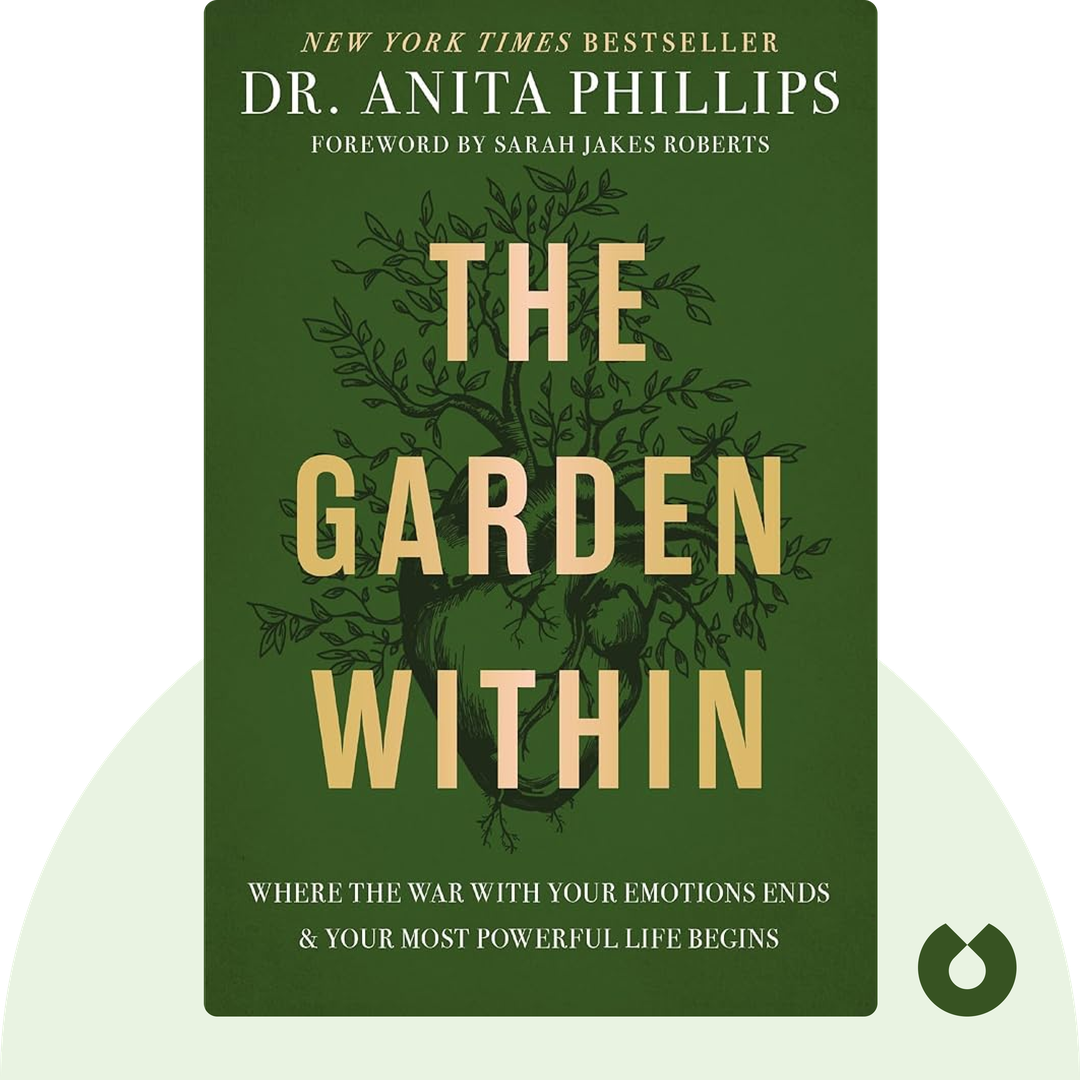
- What if your heart wasn’t a battleground to be conquered, but a private garden waiting for you to help it bloom?
- Have you ever wondered why we often treat our emotions as obstacles to our faith rather than the very soil where it grows?
- What’s the secret to turning your most painful experiences into the nutrients your soul needs to finally find peace?
Listen to The Garden Within — Free Audiobook
Loading player...
Key Takeaways from The Garden Within
- Discover how to shift your perspective on emotions, transforming your inner life from a battlefield of suppressed feelings into a thriving garden of spiritual strength.
- Learn why embracing the full spectrum of your feelings, rather than faking constant happiness, is essential for authentic emotional and spiritual well-being.
- Understand the crucial truth that emotions precede and shape our thoughts, revealing why true mind renewal requires tending to your emotional state first.
- Find out how fostering deep connections and leaning into supportive communities can heal unaddressed grief and naturally transform negative thinking.
- Uncover the profound physical impact of your feelings and learn how identifying where you hold emotions in your body can drastically reduce both mental distress and chronic pain.
Learning Tools
Reinforce what you learned from The Garden Within
Mind Map
The Garden Within
Core Philosophy+
The Inner Garden Metaphor+
Emotions and the Body+
Spiritual Integration+
Practical Healing Exercises+
Tending Your Garden+
Quiz — Test Your Understanding
Question 1 of 8
According to the book, what is a common, yet harmful, misconception people have about their emotions?
Question 2 of 8
How does the author use the life of Jesus to reframe our understanding of emotional well-being?
Question 3 of 8
Why did Phillips suggest a support group for John instead of a Bible study focused on mind renewal?
Question 4 of 8
According to the somatic approach discussed in the book, what is the true relationship between feelings and thoughts?
Question 5 of 8
What biological structure does the author compare to the biblical 'Tree of Life' due to its role in regulating the body and connecting the heart, brain, and gut?
Question 6 of 8
How does the author describe the effect of unaddressed emotional pain, such as Keshia's chronic loneliness, on a person's inner garden?
Question 7 of 8
What is the primary purpose of the 'Firewood' exercise described in the book?
Question 8 of 8
Which of the following activities is mentioned as a way to increase 'vagal tone' and nurture your embodied garden?
The Garden Within — Full Chapter Overview
- 1Recommendation
- 2The Heart as a Garden
- 3Cultivating Your Garden
- 4Emotions and Your Body
- 5Healing Through Sadness
- 6Letting Go of Anger
- 7Tending to Your Garden
- 8Final summary
The Garden Within Summary & Overview
The Garden Within (2023) blends psychology and faith to explore the complex world of emotions, challenging the conventional view of feelings as adversaries. Through a blend of personal anecdotes, theological insights, and psychological perspectives, it guides you on a transformative journey to perceive your heart as a garden to be nurtured rather than a battleground to be conquered.
Who Should Listen to The Garden Within?
- Trauma survivors
- People of Christian faith searching for emotional support
- Anyone experiencing anxiety, depression, or grief
Books Similar to The Garden Within
Readers who enjoyed this also liked these titles.