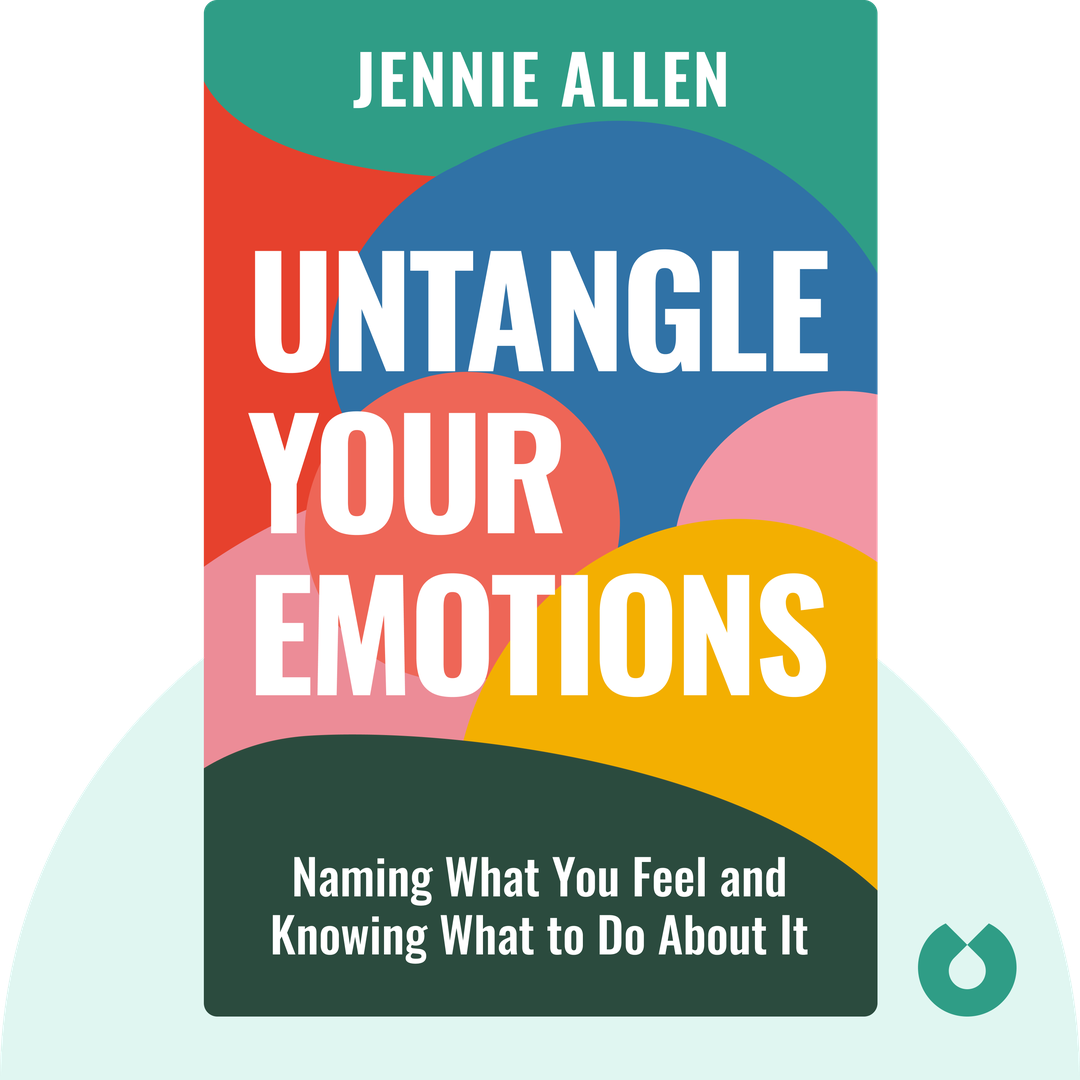
Untangle Your Emotions
Start ListeningDownload Try free on iPhoneScan to start in 5 seconds
Categories:
If You're Curious About These Questions...
You should listen to this audiobook
- What if your most difficult emotions weren't actually problems to be solved, but a hidden gateway to a deeper connection with God and those around you?
- Have you ever wondered what's really happening to your spiritual health when you choose to suppress your feelings instead of "untangling" them?
- Are you curious about how combining ancient biblical wisdom with modern scientific research can help you achieve true emotional maturity?
Listen to Untangle Your Emotions — Free Audiobook
Loading player...
Key Takeaways from Untangle Your Emotions
- Discover why your emotions aren't an inconvenience to be fixed, but rather divine gifts meant to connect you more deeply with God, yourself, and others.
- Learn how to navigate your feelings by treating them as a river guided by reason, avoiding the dual pitfalls of emotional suppression and unchecked impulsivity.
- Master the four practical steps of emotional health—noticing, naming, feeling, and sharing—to safely unravel your inner knots instead of numbing your pain.
- Understand the value of emotional granularity and see why specifically identifying your exact feelings prevents you from simply going through the motions of life.
- Find out how expressing your raw, honest emotions to God and a safe, non-judgmental community can transform overwhelming struggles into profound relational bonds.
Learning Tools
Reinforce what you learned from Untangle Your Emotions
Mind Map
Untangle Your Emotions
Core Philosophy+
The Danger of Extremes+
The 4-Step Untangling Process+
Practical Tools for Healing+
The Ultimate Rewards+
Quiz — Test Your Understanding
Question 1 of 7
How does the book suggest we should handle difficult emotions?
Question 2 of 7
What analogy does the author use to describe the ideal relationship between emotions and reason?
Question 3 of 7
According to the text, what is 'emotional granularity'?
Question 4 of 7
The author identifies four primary emotions that form the foundation of our inner landscapes. What are they?
Question 5 of 7
When responding to a friend who is sharing difficult emotions, what approach does the book recommend?
Question 6 of 7
What role does the physical body play in processing emotions, according to the book?
Question 7 of 7
According to researcher Dr. Gabor Maté, what happens when we express our emotions in a healthy way with trusted companions?
Untangle Your Emotions — Full Chapter Overview
- 1Recommendation
- 2All knotted up
- 3Understanding your feelings
- 4Unraveling the mess
- 5Connecting to your inner world
- 6The road to wholehearted living
Untangle Your Emotions Summary & Overview
Untangle Your Emotions (2024) is a spiritual guide to understanding and managing your feelings. Rather than something to be fixed, it views emotions as an avenue for deeper connection with God and the people around you. Drawing on scientific research and biblical wisdom, it guides you on your path to emotional maturity as a divinely created being.
Who Should Listen to Untangle Your Emotions?
- Christians seeking a faith-based approach to improving their emotional health
- People who want to strengthen their connections with God and others through developing emotional awareness
- Anyone who feels they tend to suppress or ignore their emotions rather than dealing with them
Books Similar to Untangle Your Emotions
Readers who enjoyed this also liked these titles.